
Key Highlights
- Polar bears in Svalbard are growing heavier despite diminishing sea ice.
- Changes in the Arctic food web are contributing to healthier bear populations.
- The situation varies across different polar bear populations in the Arctic.
In the vast northern reaches where ice dances with the chilly light of long days, the figure of a polar bear has come to symbolize both the rugged beauty of the Arctic and the deep anxieties of a warming planet. Like a wandering poem woven through white silence, their forms evoke both strength and fragility. Yet in one corner of this icy world, scientists have stumbled upon a quieter stanza, one that surprises as much as it comforts: here, some bears are not thinning with hardship but growing round with apparent vigor.
For decades, researchers have watched the ebb and flow of sea ice with a mix of awe and alarm, knowing that these great sheets of frozen ocean are the stage upon which polar bears hunt, feed, and raise their young. The narrative of loss has been so strong that even seasoned scientists speak with a gentle disbelief at what they’re now observing. In the Barents Sea, around Norway’s remote Svalbard archipelago, bears tracked over more than two decades have been measured again and again — and, to their astonishment, have grown heavier, not leaner.
“A fat bear is a healthy bear,” reflects one researcher, a phrase that holds the kind of uncomplicated truth that seems almost lyrical in a world so often fraught with complexity. For these Arctic giants, body fat is more than a cushion against cold; it is the sum of a season’s successes, a reservoir of energy essential for survival. So when studies found that the average body condition of adult bears increased even as sea ice diminished, it was like finding a stubborn flower thriving in a place expected to wither.
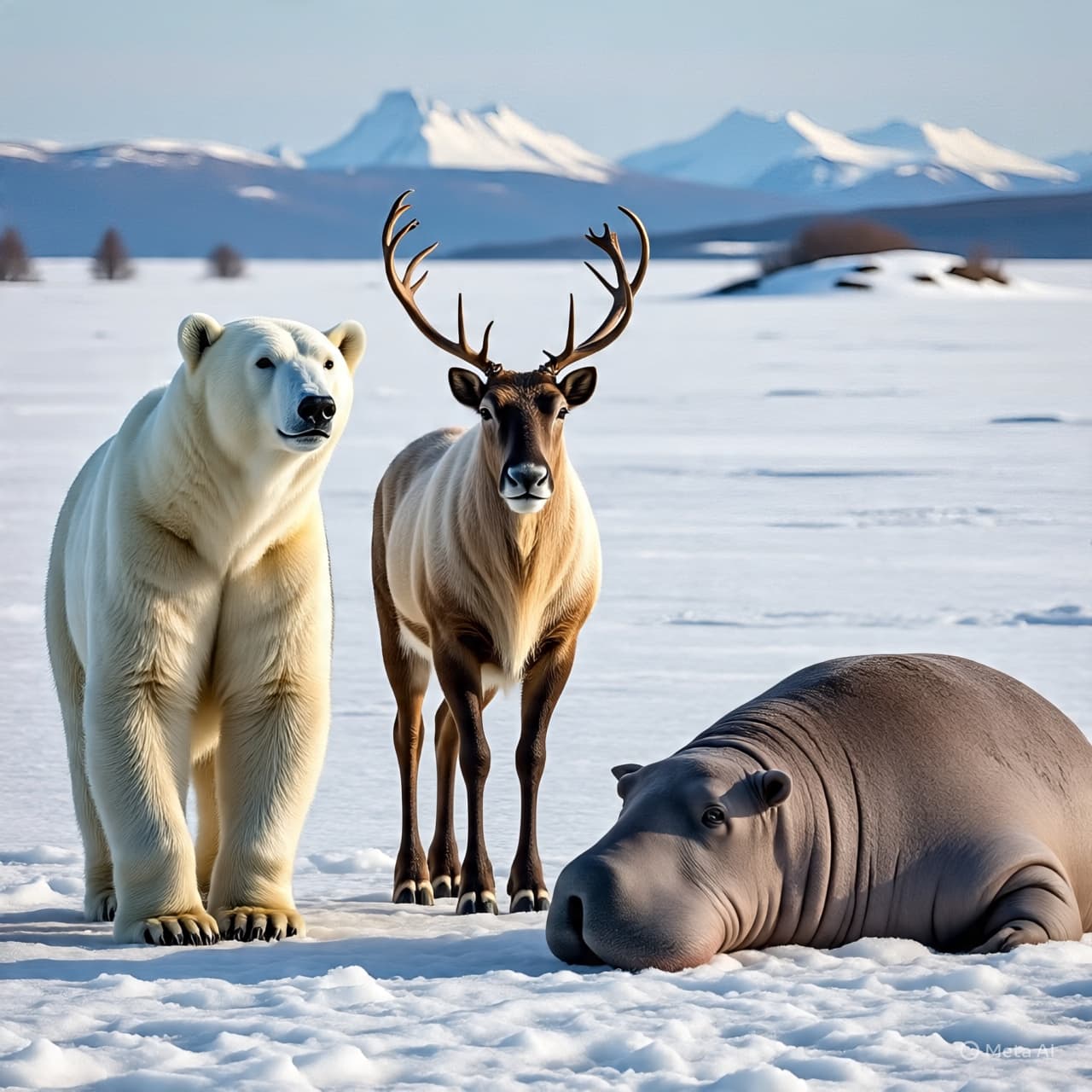
This unexpected turn is not simply a quirk of numbers. It seems tied to changes in the very food web that supports life at the top of the Arctic’s ecological pyramid. With some land-based prey, such as reindeer and walruses, rebounding thanks to conservation efforts and legal protection, these newly abundant, high-fat resources appear to be enriching the bears’ diets in ways scientists had not predicted. And seals, long the preferred high-fat staple on the ice, while still crucial, may be more efficiently hunted in smaller, concentrated ice patches that remain.
Yet this tale of resilience carries no easy moral. Across the Arctic’s broad expanse, conditions vary widely. Other polar bear populations continue to face deep challenges, with melting ice making hunting more difficult and energy demands steeper. The picture emerging here is not one of universal triumph, but of regional nuance — a reminder that nature’s responses to change are intricate, unpredictable, and often deeply local.
Like an interlude in a long symphony, the sight of healthier, heavier bears invites reflection. It echoes the notion that life can find unexpected footholds even amid upheaval, and that scientific inquiry must remain open to surprise. But it also cautions us that a single refrain does not define an entire composition, especially one as vast and changing as the Arctic’s.
In the quiet aftermath of this discovery, the story of the polar bear continues — not as a simple emblem of decline nor as a herald of unqualified hope, but as a reminder of nature’s complexity and the enduring need for careful science.
Published by Banx Network. This article is part of the Banx decentralized media programme, powered by the BXE token on the XRP Ledger.



