
Key Highlights
- Pasterze Glacier is Austria's largest glacier, crucial for climate studies.
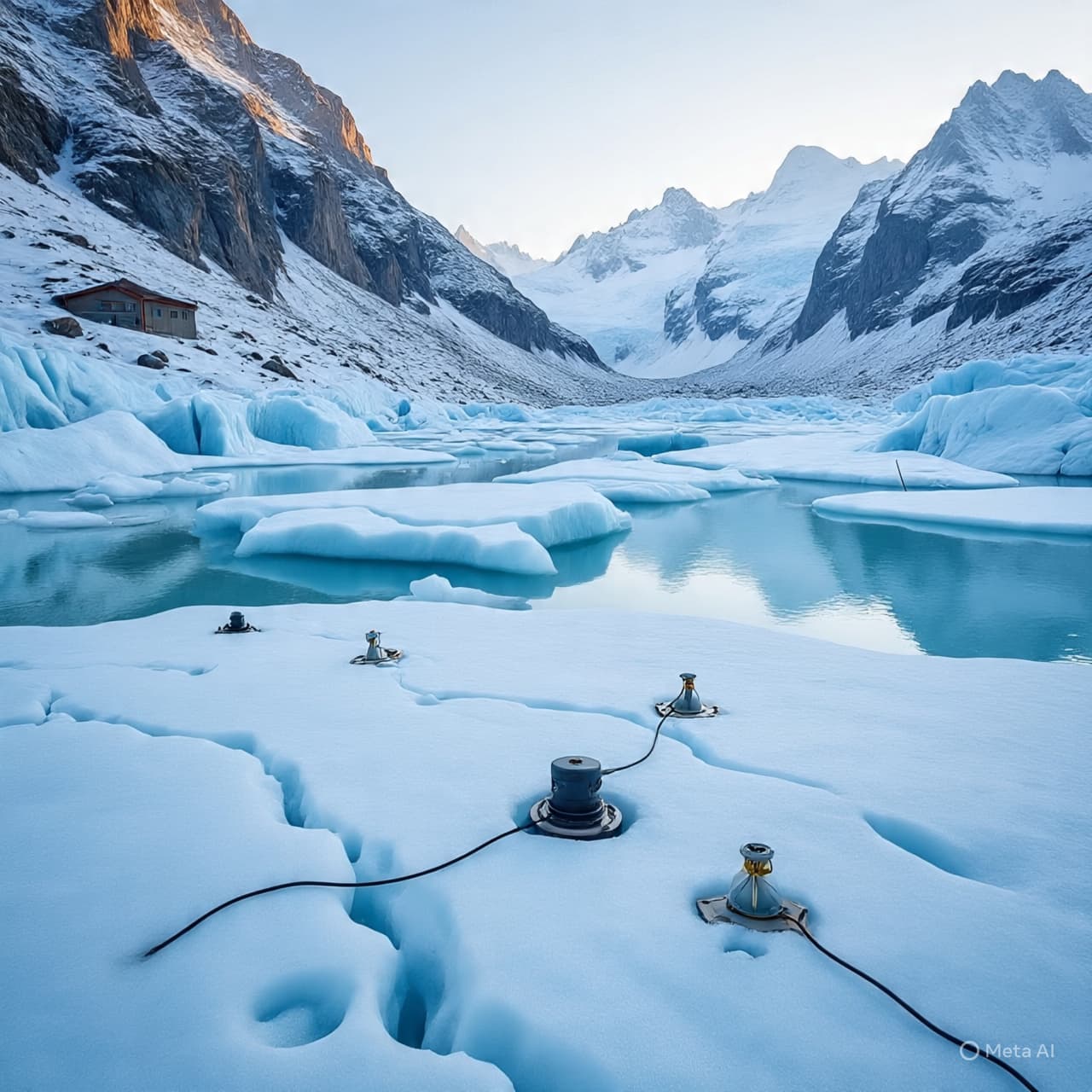
- Autonomous sensors track glacier volume loss, providing continuous data.
- The melting glacier reveals insights into broader environmental trends.
[Understanding the Pasterze Glacier]
The Pasterze Glacier, located in the Austrian Alps, is not only the largest glacier in Austria but also a critical indicator of climate change. For decades, this glacier has been monitored to understand the effects of rising temperatures and changing precipitation patterns on alpine ecosystems. As glaciers are sensitive to climate variations, their retreat serves as a clear signal of the warming climate, making the Pasterze a focal point for glaciologists and environmental scientists alike.
[The Role of Autonomous Sensors]
Recent advancements in technology have allowed researchers to deploy autonomous sensors on the Pasterze Glacier. These sensors continuously collect data on various parameters, including temperature, volume, and movement, providing a more comprehensive understanding of the glacier's dynamics. Unlike traditional methods that rely on periodic field visits, these sensors offer a continuous stream of information, allowing scientists to observe changes in real-time. This innovative approach not only enhances data accuracy but also minimizes human interference in the delicate glacial environment.
[Significance of the Data]
The data gathered from the Pasterze Glacier is invaluable. Glaciers act as natural archives, preserving historical climate data within their layers. As the glacier loses volume, it reveals critical insights into past climate conditions and current environmental trends. By monitoring these changes, scientists can better understand the rate of glacial retreat and its implications for global sea levels and local ecosystems. The ongoing research at Pasterze contributes to a broader understanding of how alpine regions are responding to climate change, providing essential information for future environmental planning.
[The Gradual Nature of Change]
One of the key takeaways from the monitoring of the Pasterze Glacier is the gradual nature of environmental change. The loss of ice does not happen overnight; it is a slow and steady process. Each data point collected by the sensors contributes to a timeline that documents this transformation. This gradual progression underscores the importance of long-term monitoring in understanding the impacts of climate change on glaciers and the ecosystems they support.
[Collaboration in Glaciology]
The deployment of autonomous sensors at the Pasterze Glacier is also a testament to the collaborative nature of modern scientific research. Glaciology relies heavily on shared knowledge and coordinated efforts among researchers worldwide. The data collected not only aids in local studies but also contributes to global climate models, enhancing our understanding of the Earth's cryosphere. This collaborative approach is vital for developing informed strategies to address the challenges posed by climate change.
[Future Implications]
As the Pasterze Glacier continues to melt, it raises important questions about the future of alpine regions. Glaciers play a crucial role in regulating water systems, supporting diverse ecosystems, and shaping landscapes. Their decline will have far-reaching consequences, affecting both natural environments and human communities that depend on glacial meltwater. Understanding these implications is essential for effective environmental management and adaptation strategies in the face of ongoing climate change.
In conclusion, the monitoring of the Pasterze Glacier through autonomous sensors represents a significant advancement in glaciology. It not only enhances our understanding of the glacier's dynamics but also serves as a reminder of the pressing changes occurring in our climate. As scientists continue to gather and analyze data, they contribute to a larger narrative about the future of our planet and the urgent need for action against climate change.
Published by Banx Network. This article is part of the Banx decentralized media programme, powered by the BXE token on the XRP Ledger.



