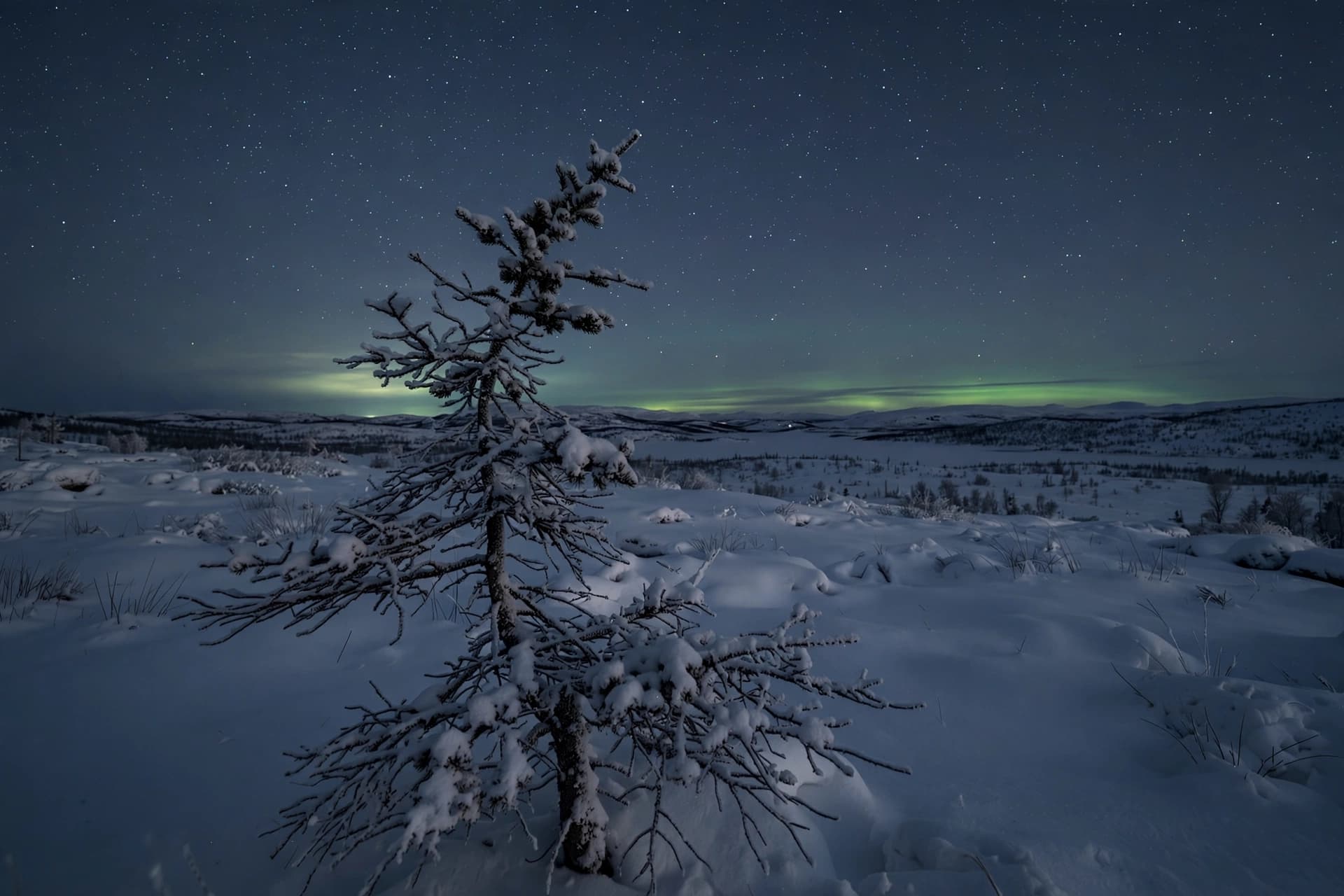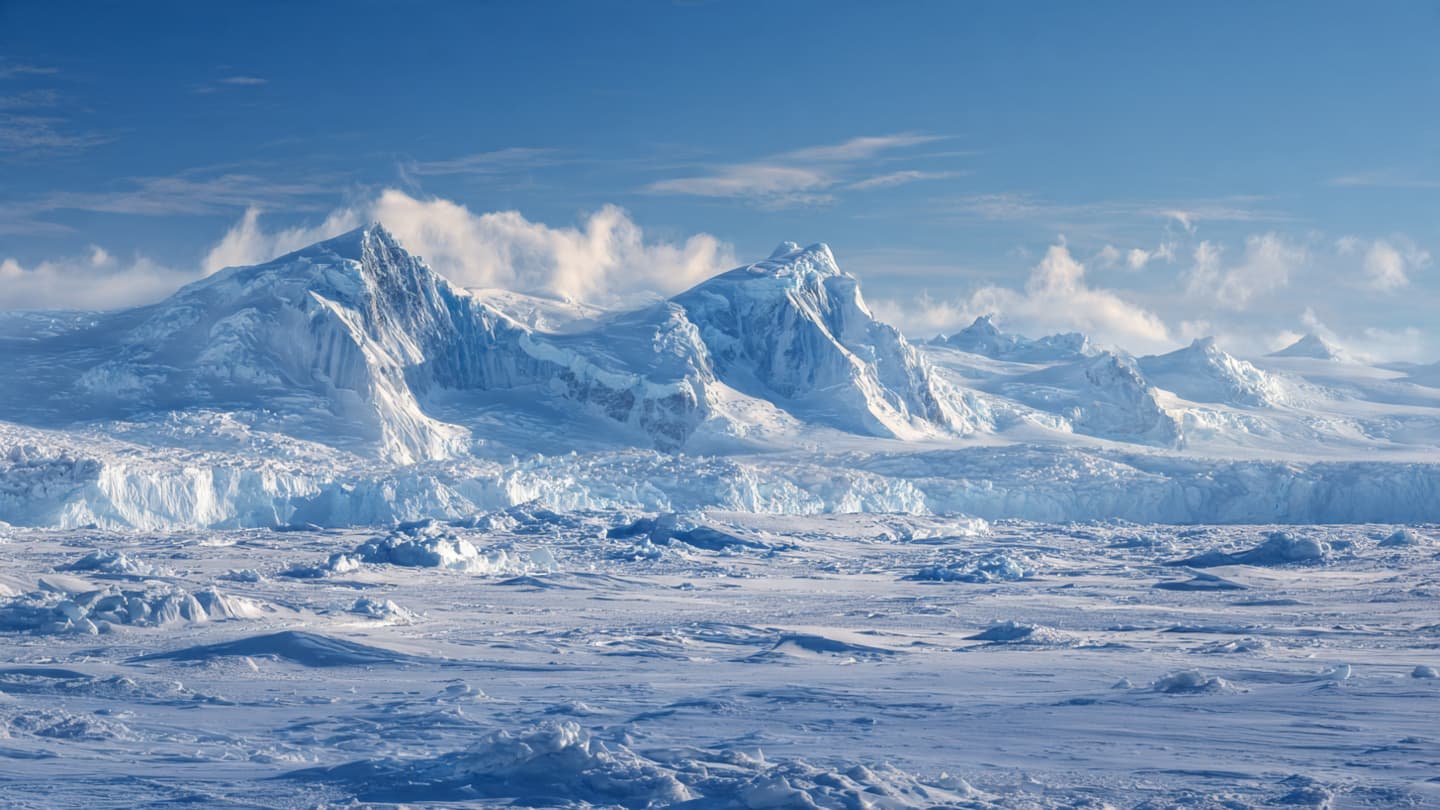
In the far reaches of Antarctica, where silence stretches across vast fields of ice, slow transformations are taking place. These changes are not dramatic in appearance, but their implications extend far beyond the frozen continent itself.
Body: The Thwaites Glacier, often referred to in scientific discussions as a key point of concern, has been observed closely due to its potential impact on global sea level rise. Its structure connects deep into the Antarctic ice sheet, making its stability particularly significant.
Researchers studying the region have noted signs of weakening in parts of the glacier’s ice shelf. These observations are based on satellite data, field measurements, and ice modeling simulations conducted over extended periods.
The concern lies not in immediate collapse, but in gradual destabilization processes. Warm ocean currents beneath the ice contribute to melting from below, while surface conditions also influence long-term structural integrity.
Scientific teams emphasize that ice sheet behavior is complex and influenced by multiple interacting factors. As a result, projections about future sea level rise include ranges of uncertainty, reflecting the difficulty of modeling such large systems.
Communities around the world may feel indirect impacts over time, particularly coastal regions where even small changes in sea level can affect infrastructure, ecosystems, and long-term planning.
At the same time, ongoing research in Antarctica continues to improve understanding of glacial dynamics, offering better tools for prediction and adaptation strategies in the future.
Closing: As the Thwaites Glacier continues to be studied, it remains a reminder of how distant natural systems can be deeply connected to global environmental stability.
AI Image Disclaimer: Images are AI-generated for conceptual and educational illustration purposes only.
Sources (media names only): NASA, Nature, Science Daily, Reuters
Published by Banx Network. This article is part of the Banx decentralized media programme, powered by the BXE token on the XRP Ledger.