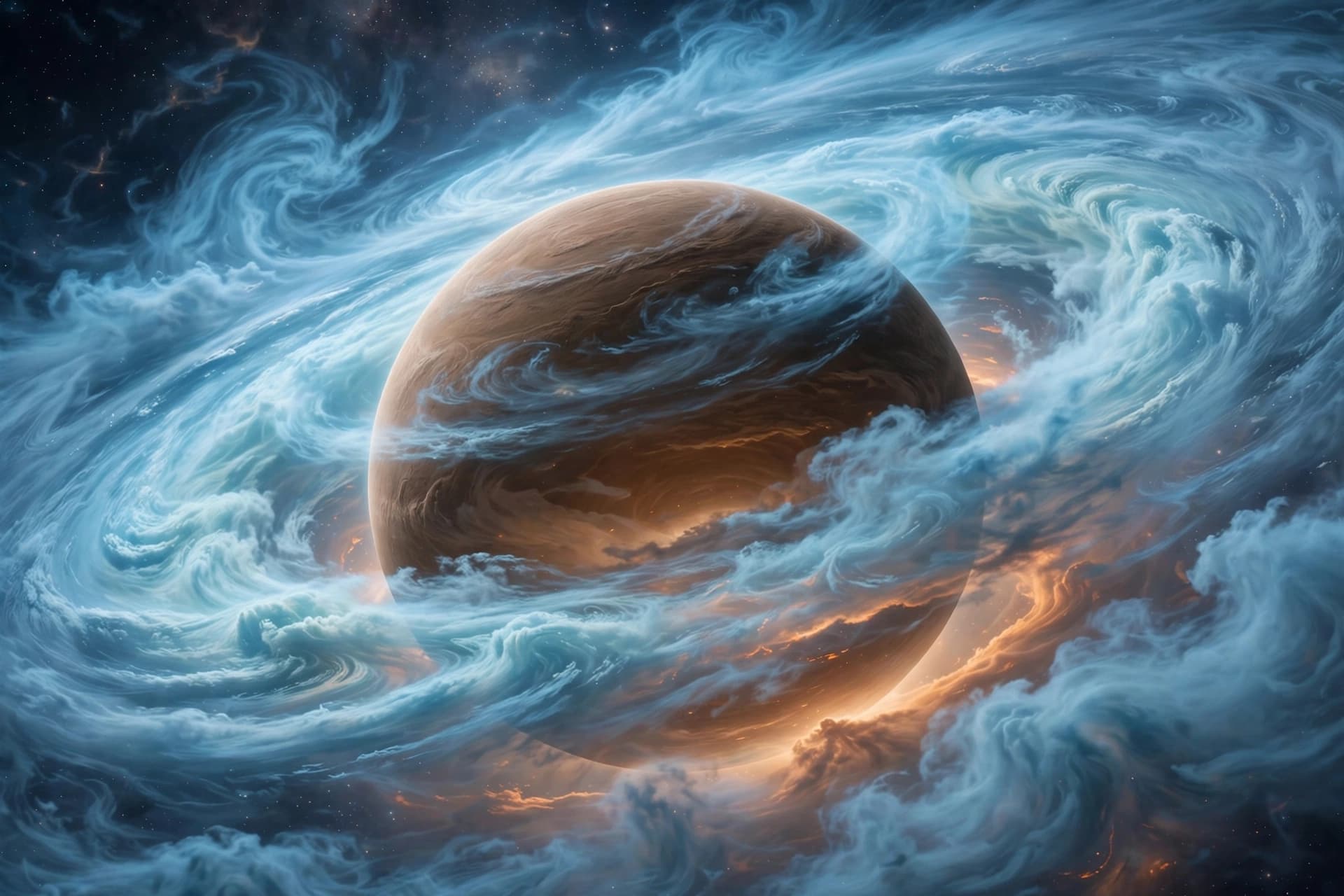
Beneath the cold expanse of Jupiter’s gaze, one of its moons erupted in a display of raw, planetary power. A plume of rock and fire soared, breaking records for sheer scale, as if the satellite itself had exhaled after eons of silent tension. Observers on Earth, separated by hundreds of millions of miles, watched through lenses that bridge space and imagination, feeling a fleeting tremor of awe in the quiet of their laboratories.
Volcanic forces sculpt worlds, shaping landscapes with a patience the human mind struggles to fathom. On this distant moon, lava and gas hurled skyward, marking a moment that will linger in scientific memory—not just for its magnitude, but for its reminder that even in the outer reaches of our solar system, dynamism thrives. Cameras captured the eruption in astonishing detail, freezing fragments of molten rock mid-flight, each particle a testament to the moon’s hidden, relentless energy.
For scientists, such events are more than spectacle. They reveal the inner workings of alien worlds, the mechanisms that drive geology and, perhaps, the faint whispers of conditions that could shape life—or the ingredients of worlds still waiting to be understood. And yet, there is poetry in the timing of observation: the eruption coinciding with humanity’s gaze, a cosmic reminder of our smallness and curiosity.
As the plume settled, and the surface once again became a frozen canvas, the eruption left more than physical traces. It offered perspective, a glimpse of fire dancing in the dark, and a gentle nudge that the universe is alive with stories, some fleeting, some enduring, all waiting for those who look closely enough to see.
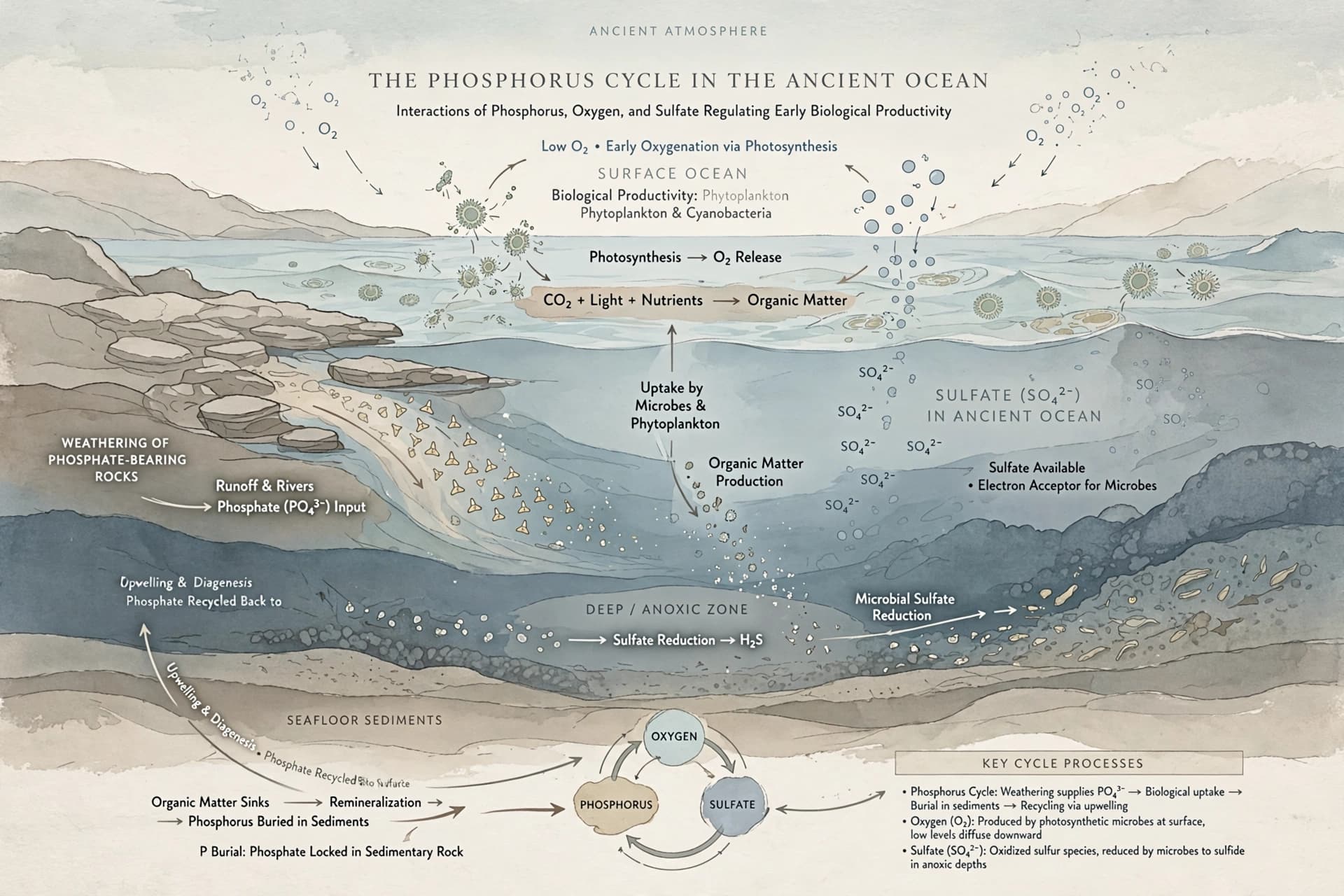
AI Image Disclaimer: “Illustrations were created using AI tools and are not real photographs.”
Sources (names only): NASA, European Space Agency, Juno Mission Team, Planetary Science Journal, Space Telescope Science Institute
Published by Banx Network. This article is part of the Banx decentralized media programme, powered by the BXE token on the XRP Ledger.