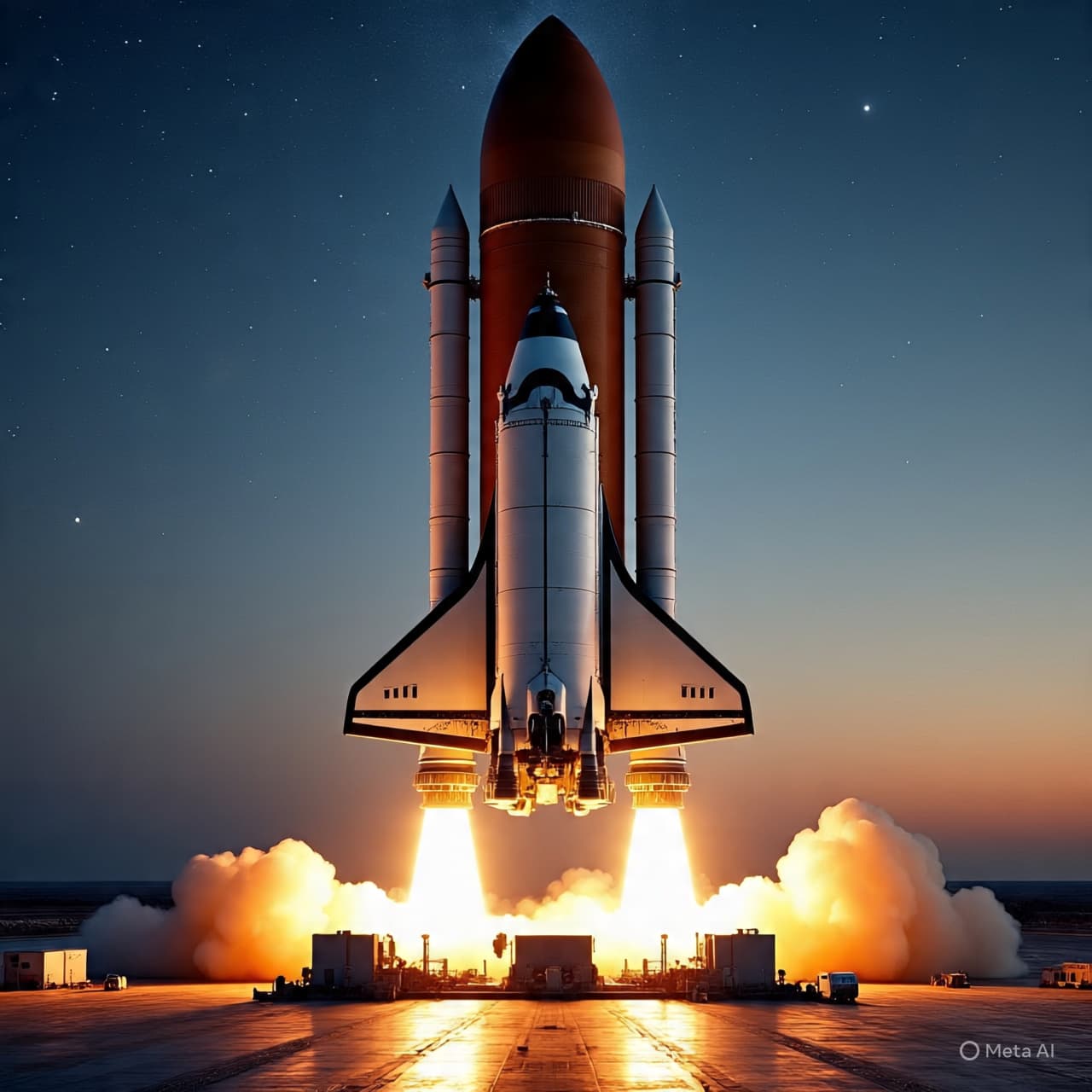
In the vast stillness before a launch, there is always a pause—a suspended breath between ambition and ignition. On the Florida coast, beneath towering steel and floodlights, that pause returned once more as engineers turned their attention to something nearly invisible: hydrogen, light as air and stubborn as history. For a rocket built to carry humanity back to the Moon, even the faintest whisper of a leak can halt the grandest of countdowns.
Now, after careful repair and renewed confidence, has restarted the countdown for its Moon rocket, signaling that a technical setback may yet become part of a longer narrative of perseverance. The issue centered on hydrogen leaks detected during fueling operations—an echo of challenges faced in earlier Artemis launch attempts. Liquid hydrogen, while an efficient and powerful propellant, demands exacting conditions. Its molecules are so small they can slip through microscopic gaps, making sealing and fueling an intricate ballet of precision engineering.
The rocket at the heart of the moment is the , the most powerful launch vehicle NASA has ever built. Designed to propel astronauts and cargo beyond low Earth orbit, it forms the backbone of the agency’s renewed lunar ambitions. Engineers traced the leak to a connection point in the fueling system and implemented adjustments intended to improve the seal and ensure stable cryogenic loading. Testing and inspections followed, measured and methodical, before officials gave approval to resume the launch timeline.
This mission is a cornerstone of the , which seeks not only to return astronauts to the Moon but to establish a sustained human presence there. Unlike the brief visits of the Apollo era, Artemis envisions longer stays, scientific infrastructure, and a proving ground for eventual missions to Mars. In that context, each delay, though frustrating to some, becomes part of a broader commitment to safety and reliability.
Hydrogen leaks are not dramatic explosions or cinematic failures; they are subtle reminders of how complex spaceflight remains. The restart of the countdown does not erase the technical hurdle, but it does suggest that lessons have been absorbed and systems refined. Launch teams continue to monitor weather, fueling stability, and system readiness, aware that every launch window carries both opportunity and risk.
As the clock resumes its steady march toward liftoff, the moment feels less like a restart and more like a continuation. Exploration rarely unfolds in a straight line. It advances through adjustments, recalibrations, and patient resolve. For NASA and its partners, the repaired seals and renewed countdown represent something simple yet profound: the decision to try again, carefully, deliberately, and with eyes fixed on the horizon beyond Earth.
AI IMAGE DISCLAIMER Visuals are created with AI tools and are not real photographs.
SOURCE CHECK Credible mainstream/niche sources covering the hydrogen leak issue and countdown restart:
NASA Associated Press Reuters Space.com The New York Times
Published by Banx Network. This article is part of the Banx decentralized media programme, powered by the BXE token on the XRP Ledger.