Key Highlights
- 25% increase in household spending on renewable energy reported.
- Shift towards sustainability reflects changing consumer priorities.
- Energy sector adapts to growing demand for renewable solutions.
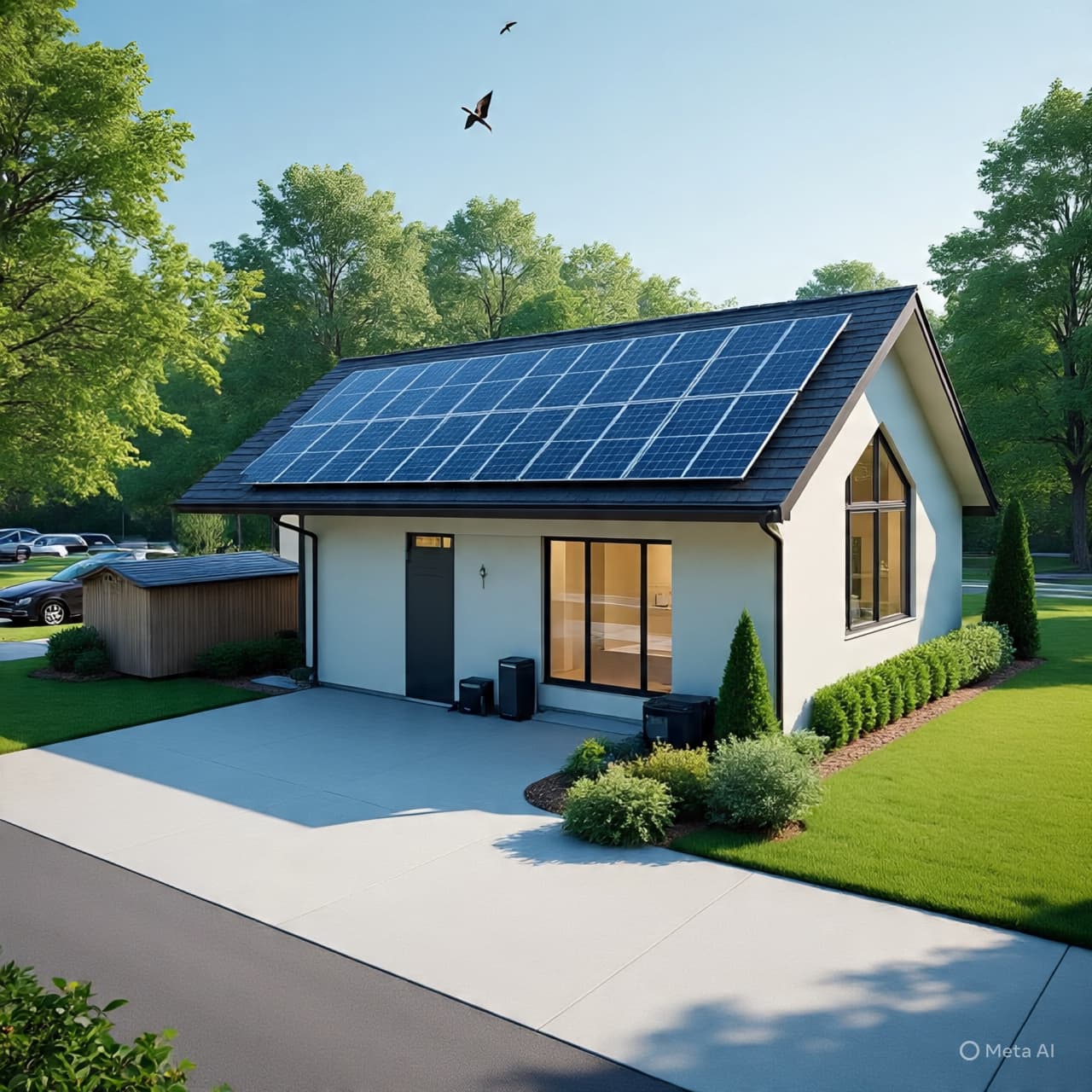
The reported 25% increase in household expenditure on renewable energy transitions marks a significant shift in consumer behavior. As households invest in solar panels, energy-efficient appliances, and modern energy systems, they are not just making financial decisions; they are participating in a broader movement towards sustainability and energy independence. This trend indicates a growing awareness and willingness to engage with renewable energy solutions, reflecting a collective commitment to environmental responsibility.
Households are increasingly viewing energy not merely as a utility but as an integral part of their lifestyle choices. This transformation is evident in the rising demand for renewable technologies, which are becoming more accessible and appealing to consumers. The 25% increase in spending suggests that more families are prioritizing long-term benefits over immediate costs, recognizing that investments in renewable energy can lead to significant savings and a reduced carbon footprint.
The energy sector is responding to this shift by enhancing the availability of renewable solutions. As consumer demand grows, companies are innovating and adapting their offerings to meet the evolving expectations of households. This includes the development of more efficient technologies, improved supply chains, and tailored services that facilitate the transition to renewable energy.
Broader societal concerns are also influencing this trend. Issues such as energy security, climate change, and the need for sustainable practices are prompting households to reconsider their energy consumption habits. The increase in spending reflects a proactive approach to these challenges, as families seek to contribute positively to the environment while also securing their energy future.
Despite the encouraging growth, the transition to renewable energy remains a gradual process. While a 25% increase signals momentum, it is important to recognize that not all households will adopt renewable solutions at the same pace. Regional disparities and varying levels of access to resources can impact the speed of this transition. Nevertheless, the overall trajectory is clear: more households are taking steps towards integrating renewable energy into their daily lives.
This evolving relationship with energy underscores the importance of individual choices in shaping a sustainable future. Each decision made by households contributes to a larger narrative about energy production and consumption. As awareness grows and investments in renewable technologies increase, the potential for a significant shift in how energy is understood and utilized becomes more tangible.
In conclusion, the reported increase in household spending on renewable energy is not just a statistic; it represents a meaningful change in how people engage with energy. This transition, characterized by steady and intentional steps, reflects a collective movement towards a more sustainable and responsible energy future.
Published by Banx Network. This article is part of the Banx decentralized media programme, powered by the BXE token on the XRP Ledger.