
Key Highlights
- Hospitals in Iran have become sites of intimidation during protests.
- Security forces monitor medical staff and patients, blurring lines of care.
- International reactions include sanctions against Iranian officials.
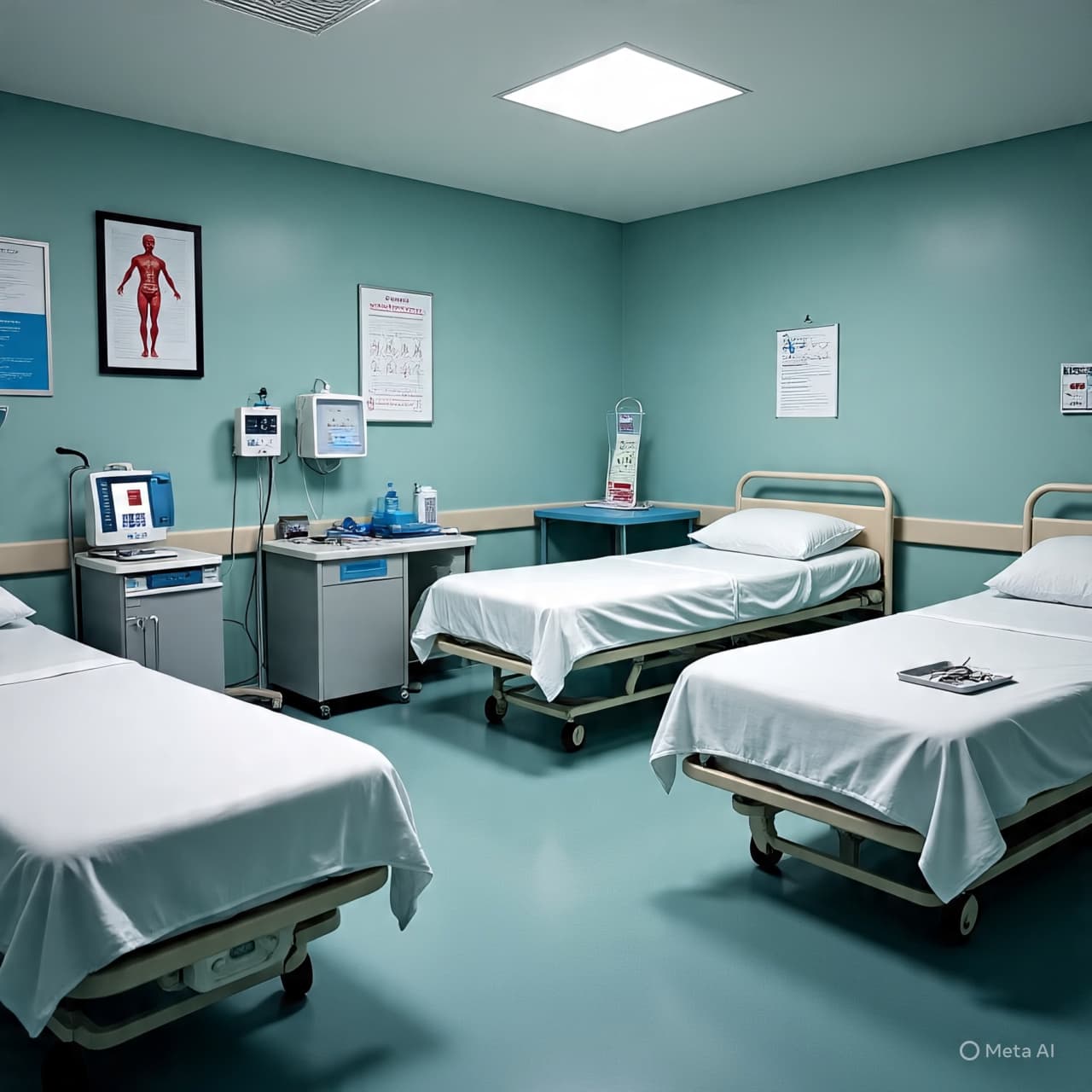
In Iran, hospitals are traditionally sanctuaries where the chaos of the outside world is left behind, replaced by the solemn duty of care. However, during the recent protests, this sanctuary has been compromised. Reports indicate that security forces have infiltrated hospitals, transforming them from places of healing into extensions of state control. Witnesses recount chilling scenes where armed men loomed over medical staff, demanding patient identities and scrutinizing every action taken in the emergency rooms.
The protests, ignited by a mix of economic hardship and political discontent, have faced a brutal crackdown. Demonstrators have been met with overwhelming force, leading to mass arrests and a near-total communication blackout. As families searched for missing loved ones, hospitals became the last refuge for many injured protesters. Yet, the fear of being identified as a protester has led many to avoid seeking medical help, fearing arrest or worse.
Medical professionals have reported instances of ambulances being diverted and patients being taken directly from their hospital beds into custody. Despite the risks, some healthcare workers have shown quiet defiance, prioritizing patient care over the demands of security personnel. This has created a tense atmosphere where the sanctity of medical ethics clashes with the oppressive realities of state surveillance.
The international community has responded cautiously to the situation in Iran. The United States has imposed new sanctions targeting Iran's interior minister, while European officials have expanded their sanctions against Iranian security institutions. These actions, however, have been met with a firm denial from Iranian authorities, who label the protests as foreign-instigated unrest and justify their heavy-handed response as necessary for maintaining order.
As the Iranian government insists that stability has been restored, the accounts emerging from within the country paint a starkly different picture. The narrative of a peaceful resolution is overshadowed by stories of fear and repression, where hospitals, once neutral grounds, have become complicit in the state's efforts to control dissent.
The implications of this crackdown extend beyond the immediate violence. As protests fade from the headlines, the memories of those who suffered will linger. Families continue to wait for news of their loved ones, and the understanding that even places meant for healing are not immune to the reach of power remains a haunting reality for many.
As Iran navigates its path forward, the lessons learned from this tumultuous period will resonate within its society, challenging the very foundations of trust in institutions that are supposed to protect life.
Published by Banx Network. This article is part of the Banx decentralized media programme, powered by the BXE token on the XRP Ledger.



