Key Highlights
- Rising Costs:Home insurance premiums in Australia are surging due to climate change impacts.
- Underinsurance:Many Australians are now underinsured or forgoing coverage due to affordability issues.
- Local Responses:Some councils are exploring mutual insurance funds to combat rising costs.
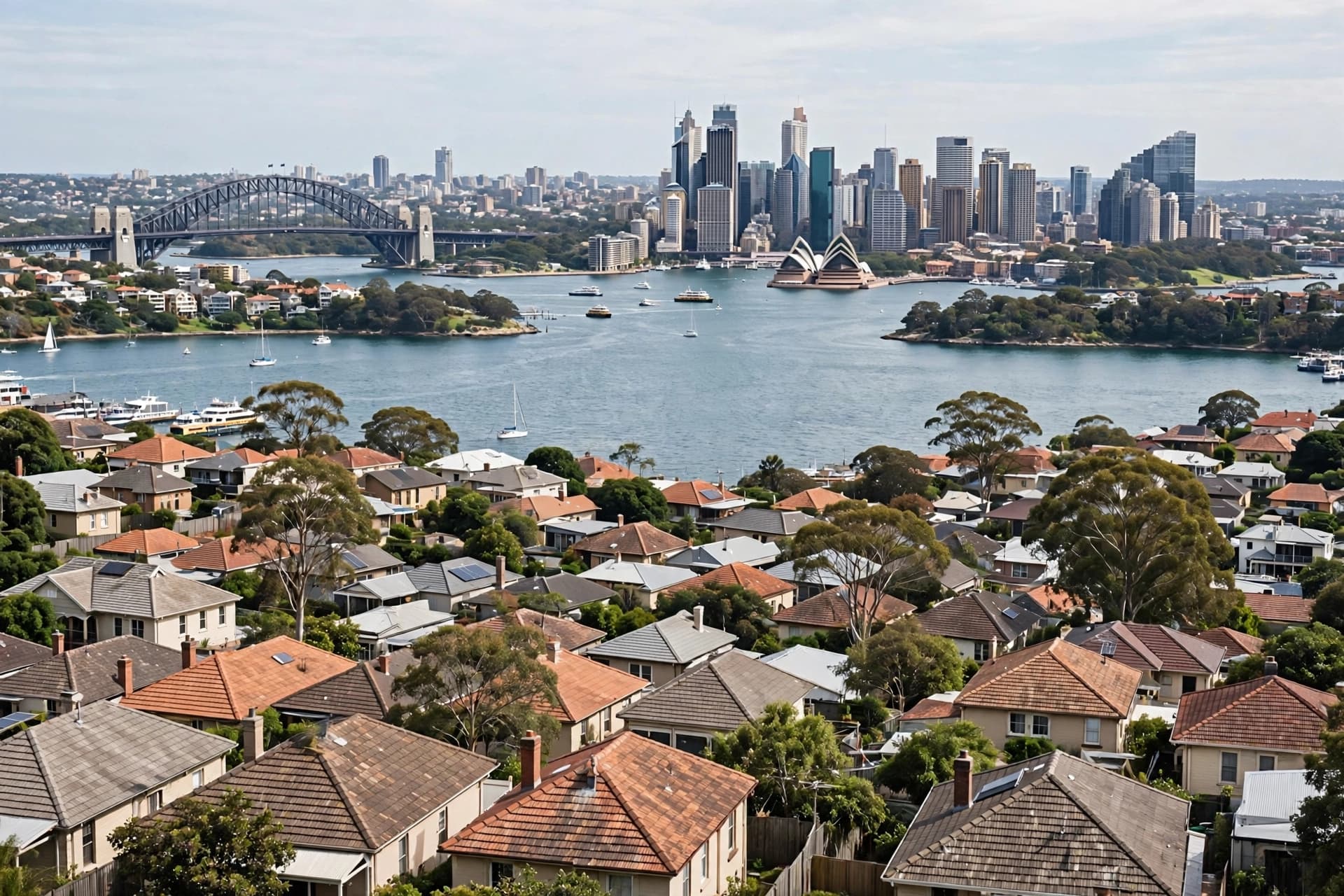
In the vast sweep of Australia’s landscapes — from sun-drenched suburban streets to storm-tossed coastlines — a quiet unease has begun to settle among homeowners and communities. What once felt like a manageable part of life, the simple act of buying insurance, has grown into something heavier: an insurance crisis that seems increasingly unavoidable and, for many Australians, eerily close at hand.
For years, insurers paid claims after floods, bushfires, and cyclones with a steady rhythm — annual budget lines adjusted here and there, premiums nudged upwards or downwards with economic trends. However, recent seasons have seen the climate rewrite those rhythms entirely. Homes once considered safe are now in zones defined by risk; rivers that rarely spilled their banks have carved new flood lines; forests and grasslands that once waited decades between fires now flare with worrying frequency. In the face of these shifting patterns, insurance costs have followed the danger, rising in ways that are beginning to outpace wages and household budgets.
The cost of insurance premiums has soared, sometimes to levels that leave homeowners in shock. For some, a year’s premium now represents a significant portion of their annual income, stretching already tight household finances. In the hardest-hit areas, policies that once cost a few thousand dollars can now climb exponentially higher, reflecting insurers’ growing caution about covering homes exposed to floods, fires, and storms. As premiums climb, more households find themselves underinsured or choosing to forgo cover altogether because of affordability stress.
This strain is felt in more than just personal budgets. Local councils in Queensland recently proposed forming their own mutual insurance fund in response to commercial insurance becoming unaffordable, a stark signal of how deeply the burden has cut into regional Australia’s sense of security. Some communities have seen premiums double or triple even without a recent disaster event — a frustration that reflects both market forces and broader structural challenges within the insurance system.
Behind these trends is a complex interplay of climate change, risk modeling, and economic cost. Insurance councils estimate that the ongoing pattern of extreme weather events — including intense storms and bushfires — will continue to squeeze affordability, with claims and payouts rising ever higher. As these events become more frequent, insurers’ exposure to risk grows, pushing them to reassess how — and where — they offer coverage.
Yet this is not a simple story of retreat. Governments and industry bodies are debating new models — from reinsurance pools to policy reforms — to keep insurance accessible and to spread the cost of risk more fairly. But for many Australians, the daily reality remains unvarnished: insurance is becoming harder to afford precisely at the moment when it is most needed. In that tension, the emerging insurance crisis holds a mirror to a broader challenge — one that touches economic stability, community resilience, and the ways in which climate change is reshaping ordinary life.
Published by Banx Network. This article is part of the Banx decentralized media programme, powered by the BXE token on the XRP Ledger.