
Key Highlights
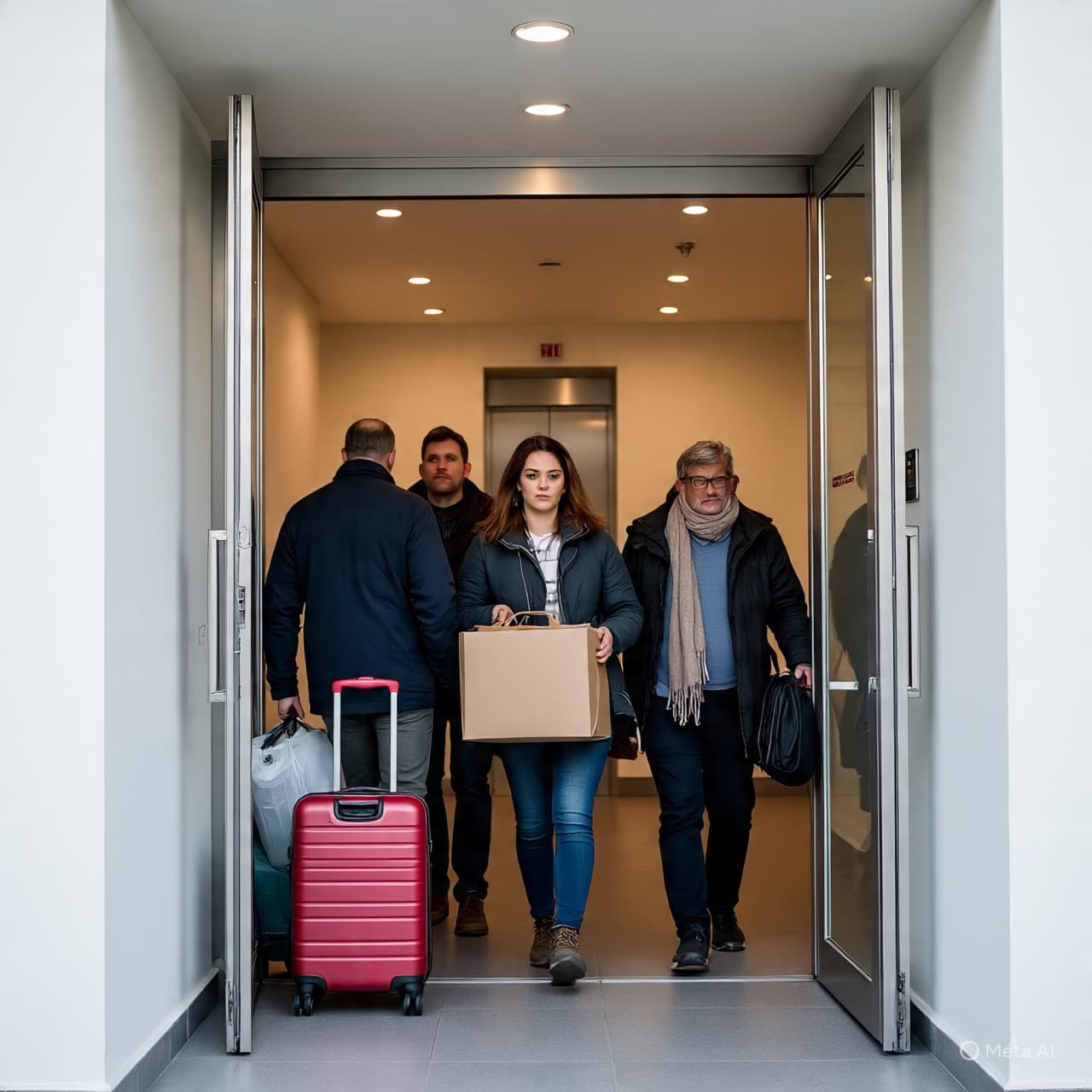
- Residents are returning home five months after a deadly fire.
- The emotional journey involves navigating grief and trauma.
- Community support plays a crucial role in the recovery process.
Returning home after a significant loss can feel like a complex negotiation with memory. For many, the experience is not merely about physical relocation but involves deep emotional layers tied to the spaces they once inhabited. As survivors of a devastating fire begin to return to their homes, they carry with them not just their belongings but also the weight of their memories and losses.
Five months have passed since the fire, which tragically claimed lives and displaced numerous families. The process of returning has unfolded gradually, marked by both necessity and a profound sense of hesitation. While the physical structures may appear unchanged, the emotional landscape has shifted dramatically for those who lived through the trauma.
Authorities and support services have been actively involved in facilitating this transition, ensuring that homes meet safety standards and that residents have access to necessary resources. However, the personal journey of recovery is unique to each individual, often moving at its own pace. Healing from such trauma does not adhere to a strict timeline, and each person navigates their path differently.
For some, returning home offers a sense of continuity and a chance to reclaim what remains. Yet for others, the experience can evoke feelings of unease, as memories tied to once-familiar spaces resurface unexpectedly. The act of re-entering a home becomes a dual experience—both a step forward and a confrontation with the past.
Communities affected by the fire are also beginning to reshape themselves. Neighbors are reconnecting, forming bonds through shared experiences, and the collective memory of the event is becoming an integral part of the neighborhood's identity. In these interactions, there is a subtle rebuilding—not only of physical structures but also of relationships that may have been strained or altered by the tragedy.
The broader response to this crisis has emphasized the importance of support and resilience. Various organizations are offering counseling and resources aimed at easing the transition for returning residents. This reflects a growing understanding that recovery encompasses not just physical reconstruction but also mental and emotional well-being.
As discussions continue regarding safety, preparedness, and accountability, investigations into the fire's causes are underway. These inquiries, while technical, hold significant meaning for those who experienced the event firsthand. Many returning residents are left with lingering questions about their safety and the measures being taken to prevent future tragedies.
For many, the future remains a space of cautious hope. The familiar surroundings provide a foundation, yet the experience of loss has irrevocably altered how these spaces are perceived. The ordinary is now viewed through a lens that incorporates both past experiences and present realities.
As daily life begins to re-emerge—shops reopening, routines resuming, and the sounds of activity returning to areas once marked by silence—the journey of recovery continues. Officials have assured residents that support measures will persist as they resettle, with ongoing attention to both safety and well-being. The process is ongoing, and its outcomes will unfold over time.
In the quiet act of returning, there is no singular resolution—only a series of steps, each carrying its own significance. Through these steps, a community begins to find its way forward once again, navigating the complexities of grief and memory together.
Published by Banx Network. This article is part of the Banx decentralized media programme, powered by the BXE token on the XRP Ledger.



