
Key Highlights
- Fire Incident:A fire in Sabah has destroyed approximately 200 homes.
- Displacement:Hundreds of residents are now without shelter.
- Emergency Response:Local agencies are coordinating relief efforts.
In the early hours of a recent night in Sabah, Malaysia, a fire erupted, devastating a densely populated community on the northern island of Borneo. The blaze, fueled by wooden structures and narrow lanes, quickly spread, leading to the destruction of around 200 homes and leaving hundreds of residents without shelter. The rapid spread of the flames highlights the vulnerabilities of informal housing in coastal and semi-urban areas, where homes are often built close together.
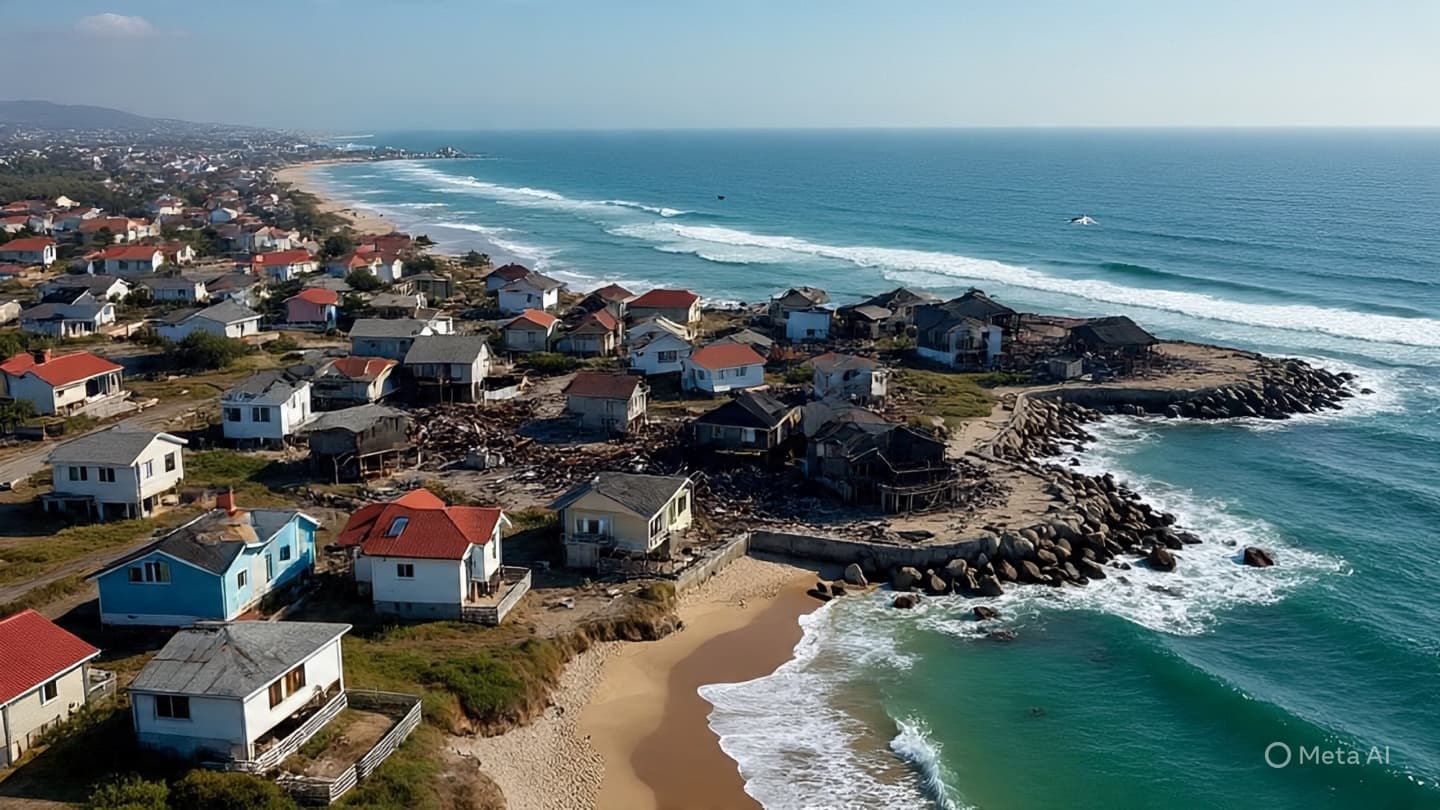
Emergency responders from local fire and rescue departments worked tirelessly through the night to contain the fire. Their primary focus was on preventing the flames from reaching adjacent areas, while residents evacuated to open spaces, hurriedly gathering what belongings they could. By dawn, the landscape was transformed, marked by charred timber frames and collapsed roofs, with the outlines of streets barely visible beneath the ash and debris.
Fortunately, no fatalities were reported in the immediate aftermath, according to statements from local authorities. However, assessments of the damage are ongoing, as teams survey the full extent of the destruction. Temporary relief centers have been established to accommodate the displaced families, many of whom are now faced with the daunting task of rebuilding not just their homes, but the routines and connections that once defined their daily lives.
In communities like this, the concept of home extends beyond mere physical structures. It embodies a shared geography, where neighbors live in close proximity, and daily interactions shape the fabric of life. When a fire sweeps through such a place, it disrupts not only the physical environment but also the continuity of shared memories and experiences. The emotional toll on residents is profound, as they grapple with the loss of their familiar surroundings.
Local authorities have initiated investigations into the cause of the fire, while recovery efforts are underway. These efforts involve collaboration between government agencies, disaster response teams, and community organizations, all working to provide essential supplies such as food, shelter, and basic necessities to those affected. Given the scale of destruction, recovery will likely require a phased approach, with coordination between various stakeholders to restore housing and infrastructure.
As the community begins to process the aftermath of the fire, a palpable stillness hangs in the air. This stillness is not merely the absence of sound; it is a recognition of the loss that has occurred. Where homes once stood in close rows, there is now a void, awaiting reconstruction or the memories that will inevitably fill it again.
Despite the devastation, life continues in this altered landscape. Residents return to assess the damage, aid flows in to support recovery efforts, and the necessary administrative work of documenting loss begins. As Sabah grapples with the impact of this disaster, the fire serves as a significant marker in time, delineating the past from an uncertain future and prompting reflection on how communities can rebuild when their most familiar structures are suddenly gone.
Published by Banx Network. This article is part of the Banx decentralized media programme, powered by the BXE token on the XRP Ledger.



