There are moments in culture that feel cushioned in soft nostalgia, familiar like a well-worn blanket, only to be gently pulled aside by change. So it is with the Academy Awards — a ceremony that has for decades unfolded in living rooms around the world, a ritual of gowns, speeches, laughter, and the sudden surge of applause. Yet as screens have multiplied and viewing habits have shifted, the way we gather for shared moments has begun to ripple outward in unforeseen ways.
Beginning in 2029, the Academy Awards — long a centerpiece of broadcast television — will take a new path. After years of tradition on network TV, the ceremony will be streamed globally on a digital video platform, free and accessible, reshaping how audiences experience cinema’s biggest night. In doing so, a familiar ritual enters a broader, more global digital landscape, one that may redefine what it means to watch together, even when apart.
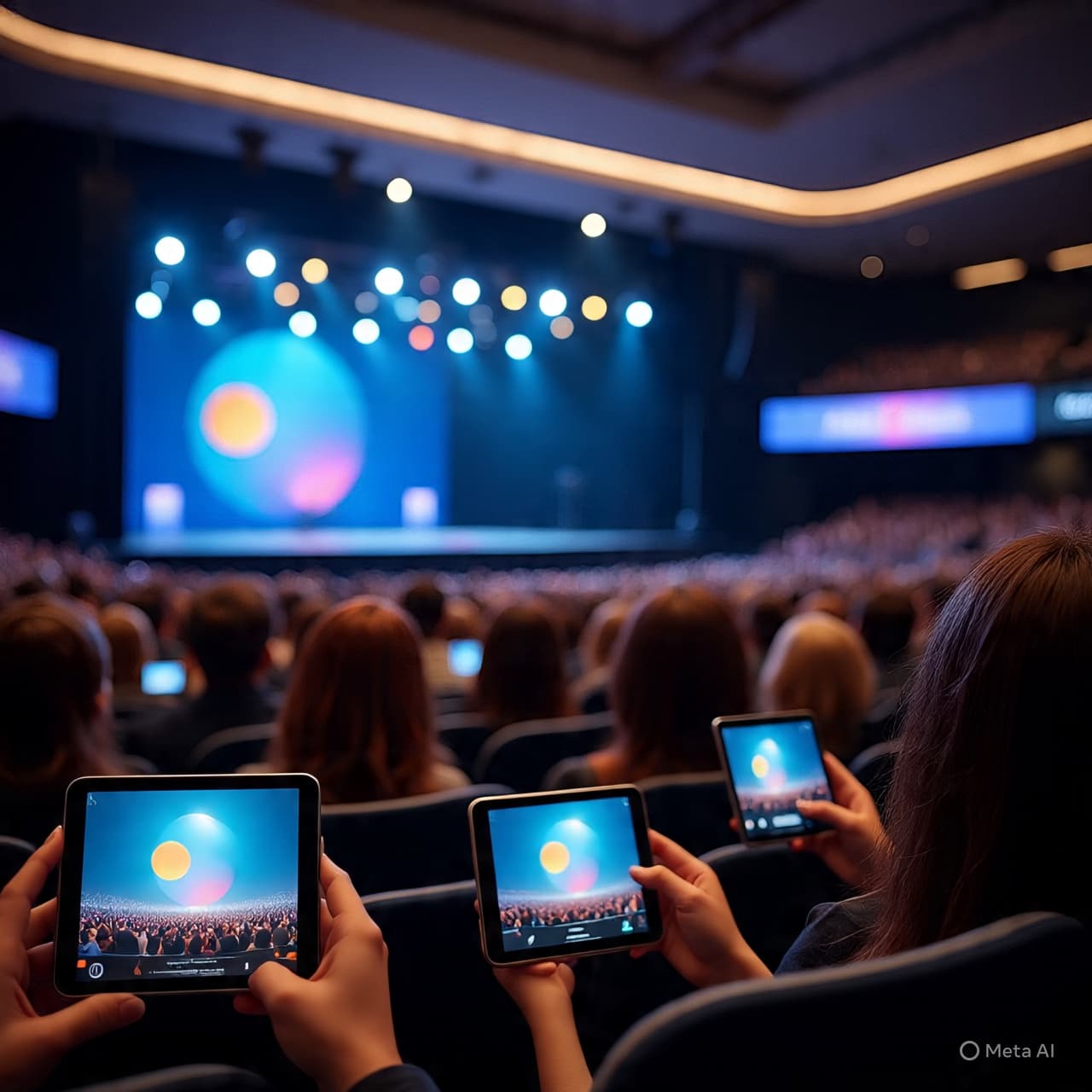
For the Academy of Motion Picture Arts and Sciences, the move reflects both an embrace of changing viewer habits and a desire to expand access. With television audiences gradually declining over recent years, the decision to partner with a widely used global streaming platform represents an effort to meet audiences where they are — especially younger viewers who increasingly turn to online content rather than traditional broadcasts. This shift does not abandon tradition so much as evolve it, acknowledging that cultural moments now unfold across screens of every shape and size.
The new arrangement will extend over multiple years and include more than just the live ceremony. Red carpet coverage, behind-the-scenes features, and other Academy programming will also be part of this digital home. For the first time in its long history, the Oscars — often emblematic of Hollywood’s most glamorous traditions — will be free to stream around the world, a gesture that carries both inclusivity and innovation.
This change also marks the end of an era. For decades, the Oscars have been a fixture of broadcast television schedules, woven into collective experience like threads in a tapestry. The move to streaming — while practical and forward-looking — underscores how the landscape of live events and entertainment continues its quiet transformation.
And yet, as audiences prepare to click “play” instead of “tune in,” the ceremony itself — the speeches, the surprises, the shared emotional ups and downs — remains at the heart of it all. In a new digital dawn, the Oscars still shine, now reflecting both the heritage of film and the shifting patterns of the screen age.
Published by Banx Network. This article is part of the Banx decentralized media programme, powered by the BXE token on the XRP Ledger.