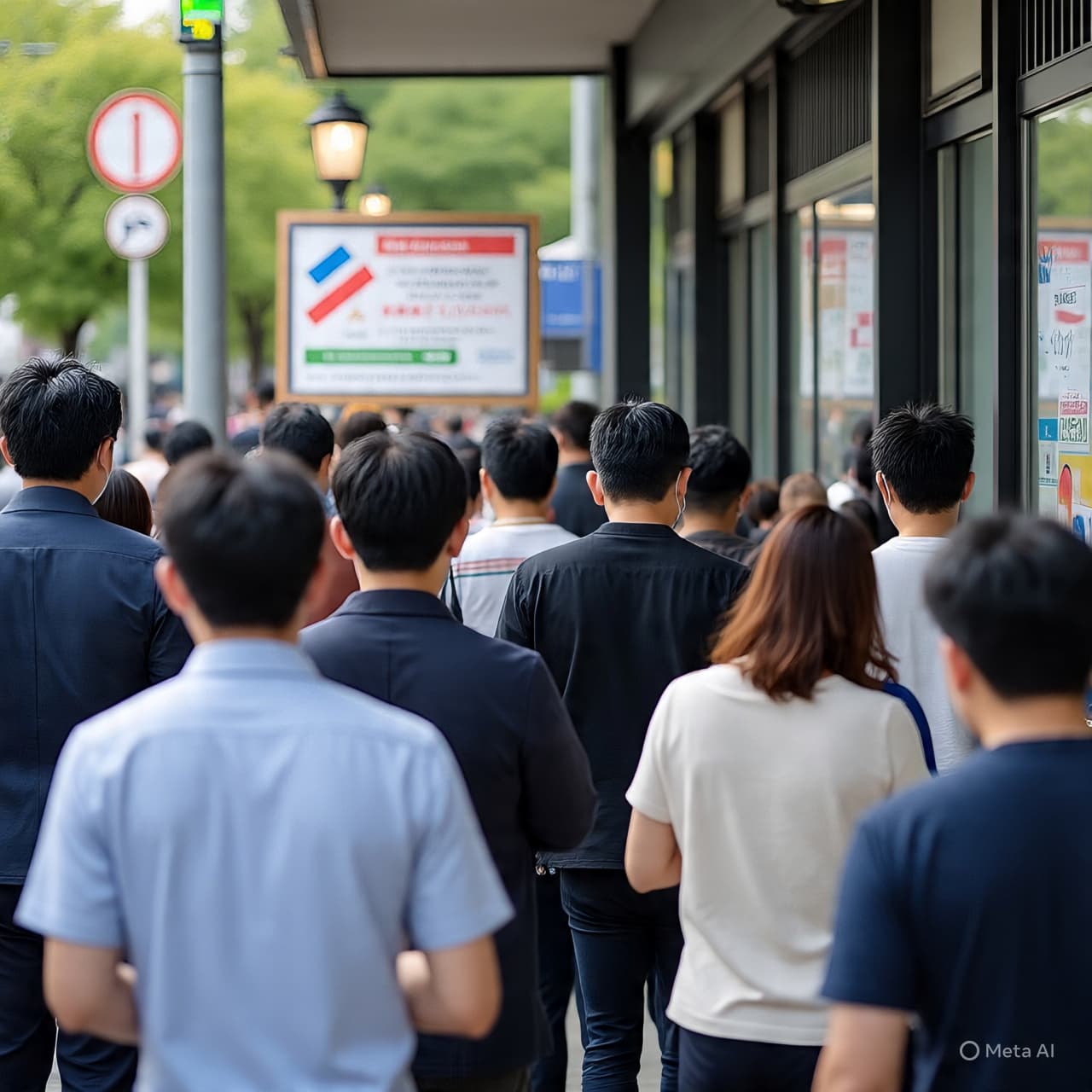
The first light of morning over Tokyo slips along paved boulevards and through quiet residential lanes, touching the eaves of houses where the day’s first bicycles glide by in soft cadence. In this vast city of layered histories, where echoes of ancient palaces meet the glass towers of commerce, there is often a sense that change arrives gently — a slow turn of seasons rather than a sudden gust. Yet in recent months, that sense of measured passage has given way to something less quiet, a subtle ripple that has spread from the ballot box through the chambers of national authority.
At the heart of this unfolding chapter stands a figure whose presence seemed, at first, unlikely to shift the familiar rhythm. Sanae Takaichi, long a veteran among the ranks of Japan’s predominant Liberal Democratic Party, rose to lead her party and has since become the first woman to hold the office of prime minister in a country where such roles were traditionally held by men. Her ascent marked a moment of symbolic change, but the currents she now navigates — and helps to shape — reflect deeper forces in Japan’s political life.
In her early tenure, she called a snap election, a gamble that paid off with resounding success. Her party secured a supermajority in the lower house of the Diet, bestowing on her a decisive mandate that few recent leaders have enjoyed. In parliaments and party offices, the outcome was interpreted as both affirmation and opportunity — a chance to address long‑standing questions of security, economic adjustment, and Japan’s global role.
Yet the direction of this mandate has drawn attention because of its contours. Japan, long defined by post‑war constitutional pacifism and cautious diplomacy, now finds itself contemplating measures that some see as divergence from that settled course. Takaichi has signaled plans for a broader defence posture, including expanded military capabilities and revisions to long‑standing principles that have guided the nation since the mid‑twentieth century. At home, discussions swirl around immigration policy and social frameworks that reflect not only fiscal priorities but the delicate intersection of tradition and transformation.
Alongside these policy currents are murmurs from capitals beyond Tokyo. In Beijing, officials and commentators have watched Japan’s electoral results with a keen eye, noting that the ideological shift echoes long‑standing debates over history, security, and regional balance. These observations are not framed in blunt critique but in careful attention to how one nation’s internal choices can ripple outward to its neighbours — a reminder that even in quiet rooms, decisions carry resonance.
Yet in the streets and alleys where daily life unfolds, the light continues its passage, and ordinary routines march onward amid the larger tides of governance. Markets open, trains slip along their tracks without fanfare, and the hum of life carries on with its familiar steadiness. In that way, the moment reflects both continuity and transformation — the steady heartbeat of everyday existence alongside the more deliberate currents of change.
Japanese Prime Minister Sanae Takaichi leads a government strengthened by a supermajority in the lower house of the Diet, enabling her to pursue a programme of conservative reforms. Her agenda includes strengthening national defence, revising Japan’s post‑war security policies, and advancing legislation on immigration and economic priorities. Her leadership represents a notable rightward shift in Japan’s political trajectory and is drawing attention domestically and abroad.
AI Image Disclaimer
Visuals are AI-generated and serve as conceptual representations.
Sources (Media Names Only)
The New Yorker Associated Press Reuters BBC News Financial Times
Published by Banx Network. This article is part of the Banx decentralized media programme, powered by the BXE token on the XRP Ledger.