
Key Highlights
- Political Shift:Sanae Takaichi becomes Japan's first female Prime Minister.
- Supermajority Success:Takaichi's party secures a decisive mandate in the Diet.
- Policy Changes:New focus on defense and immigration reforms.
Japan is witnessing a significant political transformation as the first light of morning over Tokyo illuminates a landscape marked by both tradition and change. The recent electoral success of Sanae Takaichi, leader of the Liberal Democratic Party (LDP), has ushered in a new chapter in the nation's governance. Takaichi's rise to the position of Prime Minister is not just a symbolic milestone; it represents a potential shift in Japan's political trajectory that could reshape its domestic and international policies.
Takaichi's leadership comes at a time when Japan is grappling with complex challenges, including security concerns and economic pressures. Following a snap election that resulted in a supermajority for the LDP in the lower house of the Diet, Takaichi has a strong mandate to implement her agenda. This electoral victory is seen as a clear affirmation of her party's vision and an opportunity to address long-standing issues that have defined Japan's post-war era.
One of the most notable aspects of Takaichi's agenda is her approach to national defense. Traditionally, Japan has adhered to a pacifist constitution, but Takaichi's administration is signaling a shift towards a more assertive military posture. This includes plans to enhance Japan's defense capabilities and reconsider the principles that have guided its security policies since World War II. Such changes are likely to provoke discussions both domestically and among Japan's neighbors, particularly in light of regional tensions.
In addition to defense reforms, Takaichi's government is also focusing on immigration policy. As Japan faces demographic challenges, including an aging population and declining birth rates, the need for a more flexible immigration framework has become increasingly urgent. Takaichi's administration aims to create policies that not only address economic needs but also reflect the cultural and social dynamics of a changing Japan.
The implications of Takaichi's leadership extend beyond Japan's borders. Observers in Beijing and other regional capitals are closely monitoring the developments in Tokyo, recognizing that Japan's internal decisions can have significant repercussions for regional stability. The ideological shift represented by Takaichi's government could alter the balance of power in East Asia, prompting a reevaluation of diplomatic strategies among neighboring countries.
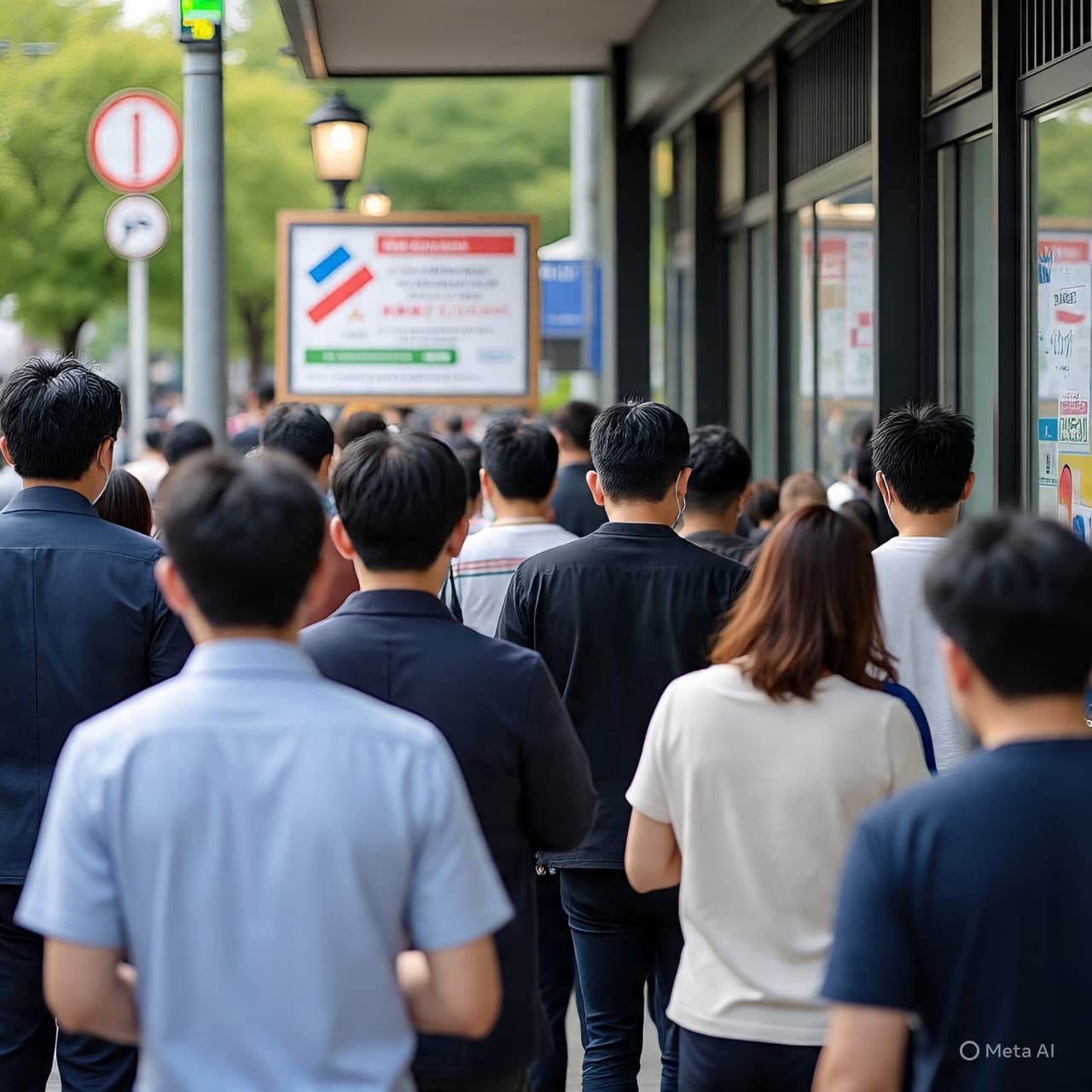
Despite the significant changes at the political level, daily life in Japan continues with its familiar rhythm. Markets open, trains run on time, and the hum of everyday existence persists. This juxtaposition of continuity and transformation reflects the complexities of governance in a nation where history and modernity coexist. As Takaichi navigates her new role, the challenge will be to balance the demands of a changing political landscape with the expectations of a populace accustomed to stability.
In conclusion, Prime Minister Sanae Takaichi's leadership marks a pivotal moment in Japan's political history. With a strong mandate and a focus on defense and immigration reforms, her administration is poised to reshape the nation's future. As Japan stands at this crossroads, the echoes of history will undoubtedly influence the steps taken in the days to come.
Published by Banx Network. This article is part of the Banx decentralized media programme, powered by the BXE token on the XRP Ledger.



