In the digital age, borders have become increasingly porous, not just for data but for services that were once strictly local. The smile, a universal symbol of health and confidence, has become a commodity traded across continents. For many Australians, the quest for affordable dental care has led them beyond their shores, with Vietnam emerging as a prominent destination through the quiet yet persuasive power of social media marketing.
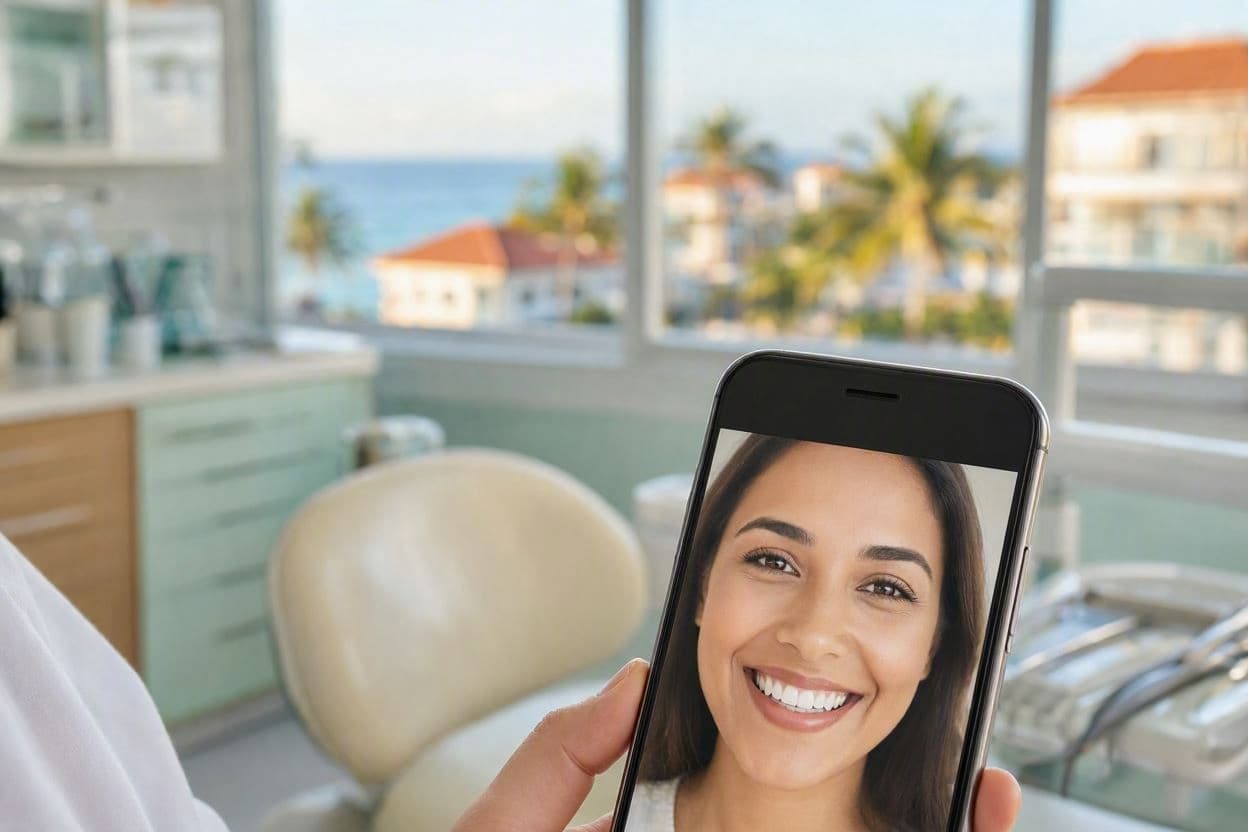
Dental clinics in Vietnam are increasingly leveraging platforms like Instagram and TikTok to reach Australian patients. These campaigns highlight not only the significant cost savings—often up to seventy percent less than in Australia—but also the opportunity to combine medical treatment with a holiday. The visual appeal of these posts, featuring modern facilities and smiling patients, creates a narrative of accessible luxury and practical wisdom. This strategic shift marks a new chapter in the region’s medical tourism ambitions.
The driving force behind this trend is the stark difference in healthcare costs between the two nations. In Australia, dental procedures can be prohibitively expensive for those without comprehensive private insurance. Conversely, Vietnam has invested heavily in its healthcare infrastructure, attracting international accreditation and skilled practitioners who offer high-quality services at a fraction of the price. This economic disparity has created a fertile ground for cross-border healthcare exchanges.
However, the rise of medical tourism is not without its complexities. While the financial incentives are clear, patients must navigate issues such as follow-up care, regulatory differences, and the potential risks of traveling shortly after invasive procedures. Health experts advise thorough research and caution, emphasizing that the lowest price should not be the sole determinant in choosing a healthcare provider. The decision to travel for care is deeply personal and requires careful consideration of both medical and logistical factors.
The Vietnamese government has recognized the potential of this sector and is actively supporting its growth. Initiatives to streamline visa processes for medical tourists and promote healthcare hubs in cities like Ho Chi Minh City and Da Nang are underway. This state-level endorsement signals a long-term commitment to positioning Vietnam as a global leader in affordable, high-quality medical services. It is a calculated move to diversify the economy and attract foreign spending.
For Australian consumers, the allure is undeniable. Social media testimonials and influencer partnerships have demystified the process, making it seem less daunting and more like an adventurous choice. Stories of transformed smiles and enjoyable trips resonate with a demographic that is increasingly budget-conscious yet unwilling to compromise on quality. The digital narrative has successfully reframed dental care from a chore to an experience.
Yet, the local impact in Australia is a topic of growing discussion. Dental professionals here argue that while competition is healthy, the exodus of patients may undermine the sustainability of local practices, particularly in regional areas. There is a broader conversation about how to make domestic healthcare more accessible and affordable, ensuring that citizens do not feel compelled to seek essential services abroad. The trend reflects deeper structural challenges within the Australian healthcare system.
As Vietnam continues to refine its medical tourism offerings, Australians are likely to see even more targeted advertising in their feeds. The phenomenon underscores the globalized nature of modern healthcare, where patients are empowered by information but must remain vigilant in their choices. It is a reminder that in a connected world, health decisions are rarely made in isolation.
AI Image Disclaimer: Please note that any accompanying illustrations for this article are AI-generated and intended for representational purposes only.
Sources: The Age ABC News (Australia) The Guardian Vietnam Investment Review
Published by Banx Network. This article is part of the Banx decentralized media programme, powered by the BXE token on the XRP Ledger.