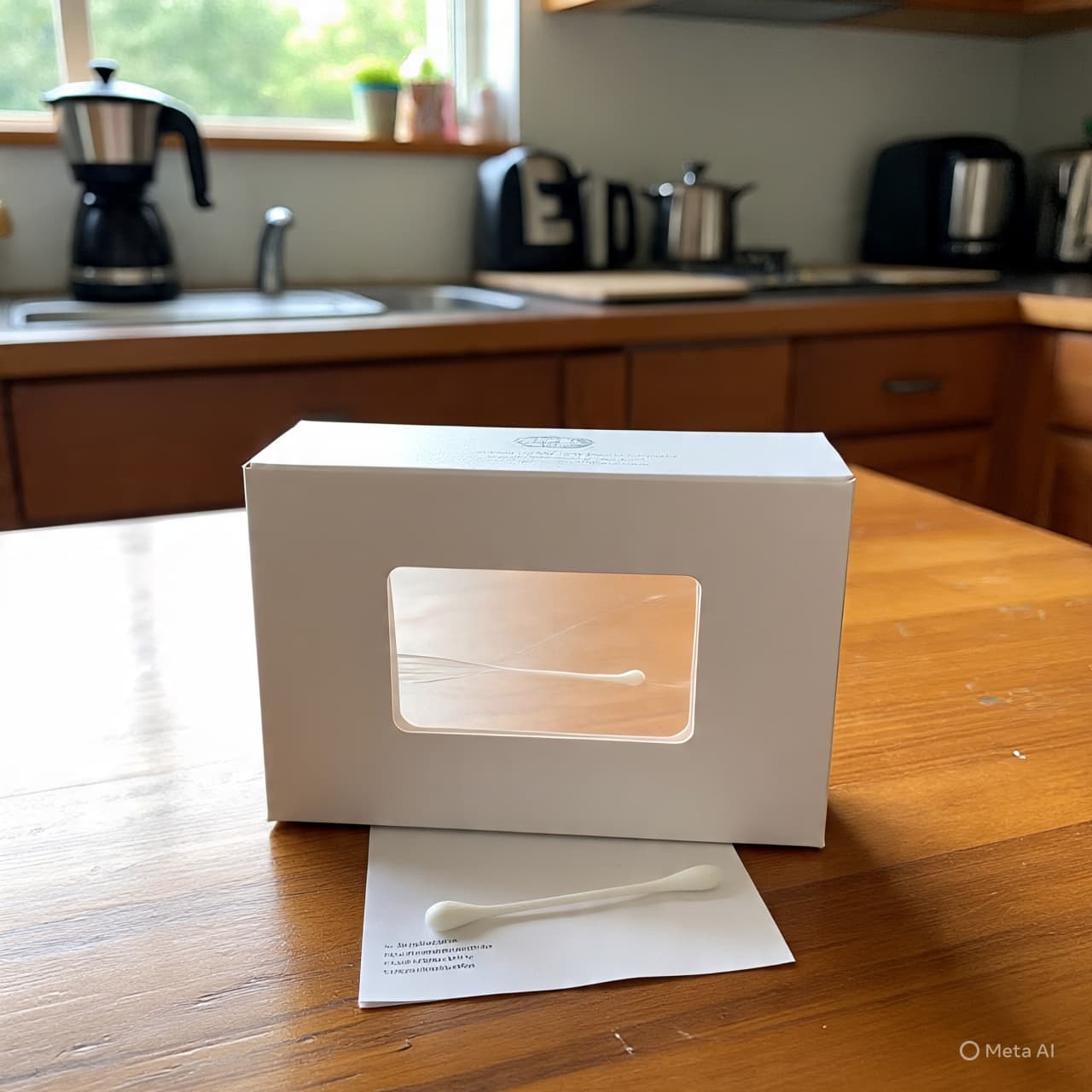
In the quiet spaces of everyday life, there are changes that reach us not with thunderous proclamations, but like a soft dawn. A woman tending her morning coffee, an at-home test kit arriving in the mail both are small moments that speak to a larger shift in how we care for health and wellness. Recently, federal guidance in the United States was updated in a way that reflects such gentle evolution: cervical cancer screening, long tethered to clinical settings and routine exams, is beginning to take on new forms that meet people where they are.
For decades, the Pap smear a procedure performed in a clinic has stood as a sentinel in women’s preventive care. Yet for many, that experience has been fraught with discomfort, anxiety, or barriers to access. Now, in a notable change, guidance issued by the Health Resources and Services Administration expands screening options to include the possibility of self-collecting high-risk HPV samples at home or in non-traditional settings. This shift arises from a growing body of research showing that HPV testing is a powerful method to detect early signs that could lead to cervical cancer.
At its heart, this update is rooted in evidence and empathy. A high-risk human papillomavirus test checks for the virus strains most associated with cervical cancer and has become a preferred screening method for women ages 30 to 65. While traditional clinic-based sampling remains available, the inclusion of patient self-collection acknowledges that comfort, privacy, and convenience matter deeply in preventive care.
Under the new guidance, women can now choose to conduct the screening themselves a test that can be done privately and then mailed for laboratory analysis. For many, this may transform a stressful appointment into a moment of quiet reflection and self-care. Insurance plans will be required to cover this option, including follow-up testing when indicated, starting in 2027.
What remains unchanged is the importance of regular screening. Cervical cancer often develops without symptoms until it is advanced, which makes early detection vital. Traditional Pap tests continue to serve those under 30 or those at higher risk, and any positive result from an at-home HPV test prompts further evaluation through established medical pathways.
Viewed not just as a medical update but as a quiet expansion of trust in individuals’ ability to participate in their health, this guidance carries both promise and responsibility. It invites women into a role that balances autonomy with connection to clinical care a partnership rather than a prescription.
In this gentle unfolding of policy and practice, what stands out most is not merely the change itself, but the invitation to reimagine what preventive care feels like not as a series of appointments, but as an ongoing conversation between patients, providers, and the rhythms of daily life.
AI Image Disclaimer (Rotated Wording) Graphics are created with AI tools and are not real photographs.
sources:
ABC News The Independent Washington Post (health reporting) Wall Street Journal (health coverage) CIDRAP / University of Minnesota Health News
Published by Banx Network. This article is part of the Banx decentralized media programme, powered by the BXE token on the XRP Ledger.