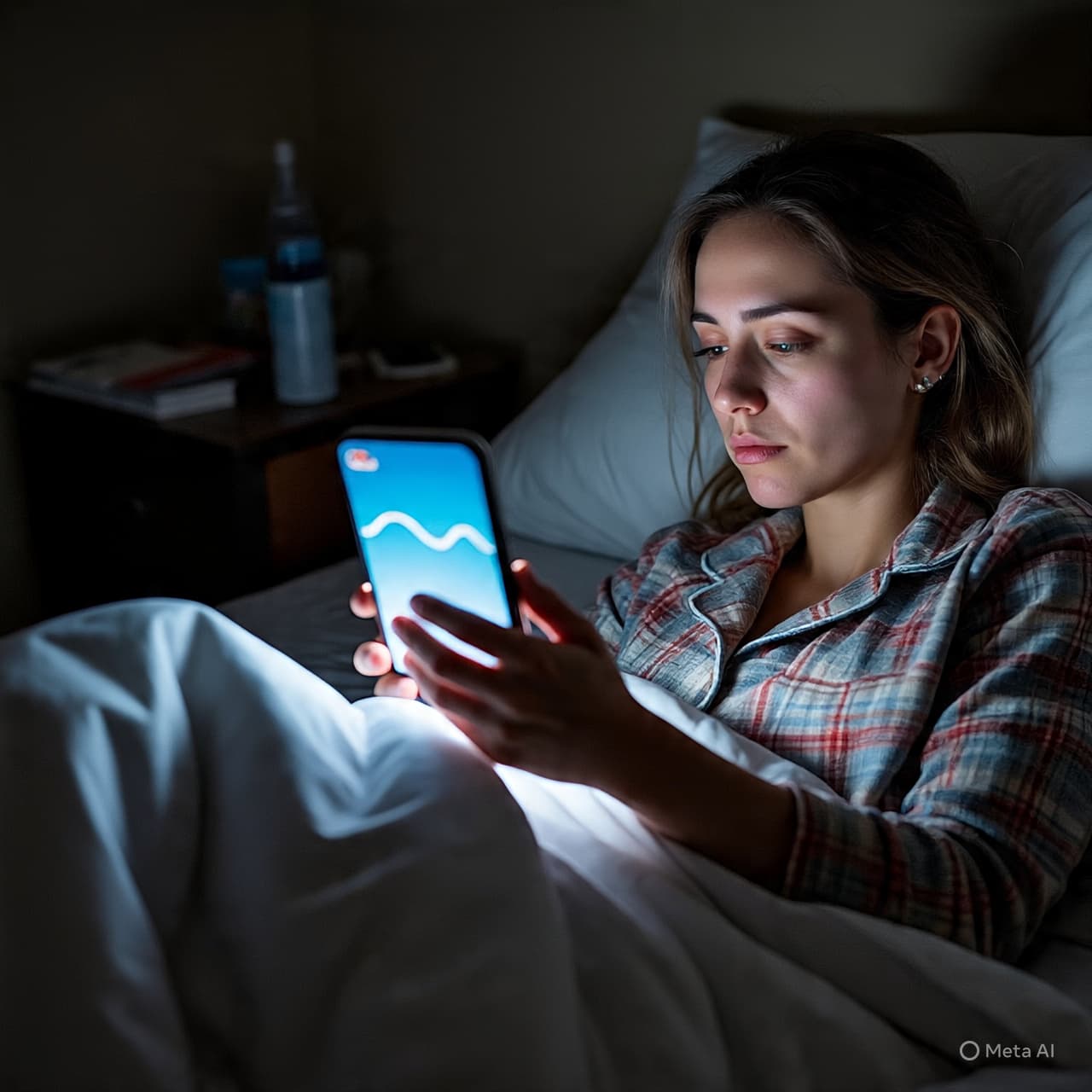
Sleep is often described as a quiet repair shop of the body, a place where the day’s wear is gently restored. For many cancer survivors, however, night does not always bring restoration. Instead, it can arrive with restlessness—hours stretched thin by insomnia, racing thoughts, or the lingering effects of treatment. In that fragile space between recovery and routine, rest becomes both necessity and challenge.
Now, researchers at are preparing to launch a clinical trial aimed at addressing sleep disturbances among cancer survivors—an issue estimated to affect up to 60 percent of those who have completed treatment. The initiative centers on a digital app designed to provide structured, evidence-based support for improving sleep quality.
The prevalence of insomnia and disrupted sleep among survivors is well documented. Treatments such as chemotherapy, radiation, and hormone therapy can alter circadian rhythms and intensify anxiety or physical discomfort. Even after remission, the body and mind may struggle to recalibrate. Fatigue becomes chronic, concentration wavers, and emotional resilience can erode.
The proposed app seeks to translate cognitive behavioral therapy for insomnia—often referred to as CBT-I—into a digital format. CBT-I is widely regarded as a first-line treatment for chronic insomnia, focusing on sleep habits, thought patterns, and behavioral adjustments. By adapting this approach into an accessible mobile platform, researchers hope to reach individuals who may face barriers to in-person therapy, including geographic distance or cost.
Digital health tools have increasingly become part of supportive cancer care. They offer flexibility, allowing users to engage at their own pace and in their own environment. The MUN clinical trial will assess not only whether the app improves sleep duration and quality, but also whether it reduces associated symptoms such as anxiety and daytime fatigue.
Participants in the trial are expected to be cancer survivors experiencing persistent sleep difficulties. Researchers will monitor outcomes over a defined period, comparing improvements against established clinical benchmarks. The aim is careful evaluation rather than broad claims—measuring what changes, and what remains.
For survivors, the promise of improved sleep extends beyond comfort. Rest influences immune function, mental health, and overall quality of life. When sleep stabilizes, daily routines often follow. The trial reflects a broader understanding that survivorship care must address not only disease-free status, but ongoing well-being.
At the same time, experts caution that digital interventions are complements, not replacements, for comprehensive medical guidance. Individuals experiencing severe insomnia or related conditions are encouraged to consult healthcare providers directly. The app-based approach is intended to expand options, not narrow them.
Memorial University researchers indicate that recruitment details and eligibility criteria will be released as the trial formally opens. If successful, the app could contribute to a growing toolkit of accessible, non-pharmacological supports for cancer survivors.
In the quiet hours after treatment ends, the work of healing continues. Sometimes it begins not with dramatic intervention, but with something as fundamental as sleep—restored, one night at a time.
AI Image Disclaimer: Graphics are AI-generated and intended for representation, not reality.
Sources (Media Names Only): CBC News The Canadian Press CTV News VOCM SaltWire
Published by Banx Network. This article is part of the Banx decentralized media programme, powered by the BXE token on the XRP Ledger.

.jpg&w=3840&q=75 "Qantas Grounds Plane After Passengers Report Bedbug Bites")