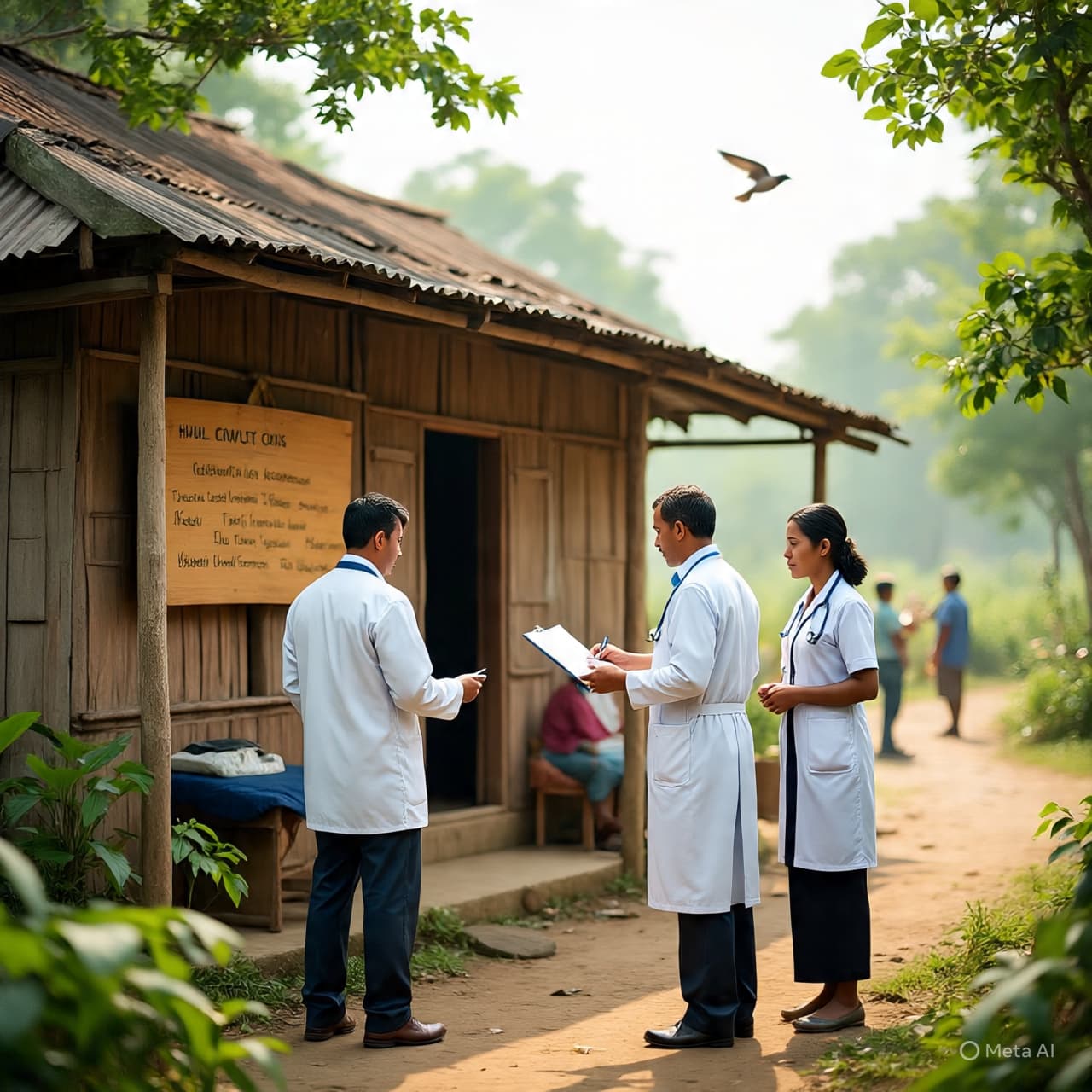
There is a quiet absence that cannot always be measured in numbers—the absence of enough hands, enough voices, enough presence in places where care is most needed. In hospitals, clinics, and community health centers around the world, that absence is becoming increasingly visible.
The global health workforce, long considered the backbone of medical systems, is facing mounting strain. Shortages of doctors, nurses, and specialized professionals are not new, but in 2026, the scale of the challenge has become harder to ignore.
Across continents, healthcare systems are adjusting to a reality where demand grows faster than supply. Aging populations, rising chronic illnesses, and the lingering effects of past global health crises have created a landscape that requires more care than ever before.
Efforts to address the shortage are underway, though they move with the measured pace of structural change. Training programs are expanding, international recruitment is increasing, and digital tools are stepping in to fill some of the gaps.
Artificial intelligence and telemedicine, once seen as supplementary, are now becoming integral. These technologies offer support—assisting diagnostics, streamlining administrative tasks, and extending the reach of healthcare professionals beyond physical boundaries.
Yet, technology alone cannot replace the human element at the heart of medicine. The presence of a caregiver, the reassurance of a voice, and the understanding that comes from human connection remain irreplaceable aspects of healing.
In many regions, the imbalance is especially pronounced. Rural and underserved areas often experience the deepest shortages, where access to healthcare becomes not just a matter of quality, but of availability itself.
Global organizations continue to emphasize collaboration as a path forward. Sharing resources, knowledge, and workforce strategies across borders may offer a way to distribute care more evenly.
The unfolding situation does not carry the urgency of a sudden crisis, but rather the persistence of a slow, steady pressure. It is a reminder that systems built over decades must now adapt to realities that are shifting just as steadily.
As the year progresses, the response to this challenge will likely define the resilience of healthcare systems worldwide—not through dramatic transformation, but through consistent, thoughtful change.
AI Image Disclaimer Visuals are created with AI tools and are not real photographs.
Sources Check: Euronews World Health Organization (WHO) Reuters The Guardian BBC
Published by Banx Network. This article is part of the Banx decentralized media programme, powered by the BXE token on the XRP Ledger.