There are moments when the architecture of public life tilts just enough that long-held assumptions start to creak under a new weight. In this chapter of British policing, that tilt has come not with a whisper but with an unmistakable, formal rebuke from the halls of Westminster to the bricks and badges of forces across England and Wales. It began with a much-scrutinised decision inside the West Midlands — a choice about the presence of visiting football fans that spiralled into questions of leadership, evidence, and trust — and has since grown into a broader conversation about accountability at the highest level of the police service.
Home Secretary Shabana Mahmood, standing in the Commons, made clear that her confidence in the chief constable of West Midlands Police had been lost following a damning watchdog report into how intelligence was gathered and presented around the controversial decision to ban Maccabi Tel Aviv supporters from a 2025 football match. Though she lamented her inability under current law to directly dismiss him — a responsibility held instead by the elected police and crime commissioner — her words echoed far beyond a single force.
The chief constable in question, Craig Guildford, ultimately opted to retire amid the pressure, even as his departure was framed by some as a reluctant step rather than a formal sacking. For many observers, this episode underscored a wider fault line: who, and how, policing leaders are held to account when their actions draw public and political scrutiny.
In response, Mahmood unveiled plans to restore a power long dormant in the British policing tradition — the authority for a Home Secretary to order the resignation, suspension, or dismissal of chief constables judged to be underperforming. This change is part of a broader white paper on police reform that would also see performance league tables, specialist intervention teams for struggling forces, and expanded accountability measures between Whitehall and local communities. Under these plans, ministers would no longer be held at arm’s length from the performance of forces whose leaders once operated with near-complete operational independence.
The proposed reforms — described by advocates as the most significant overhaul of policing in decades — reflect a belief that public safety and confidence need stronger levers of oversight. Critics, however, caution that centralisation of authority risks eroding the operational autonomy traditionally afforded to chief constables and could blur vital lines between political leadership and independent policing.
For communities across the country, the story is both immediate and abstract: immediate in the sense that police response times and local safety concerns touch daily life, and abstract in the sense that debates about statutory powers and institutional design can feel distant from the street-level realities of crime and care. Yet at its heart, this unfolding moment raises questions familiar to any democracy — how best to balance accountability with independence, and how language and leadership shape the trust placed in those sworn to protect and serve.
As the proposals work their way through Parliament in the weeks ahead, one constant remains: the public’s expectation that policing not only be effective but also answerable in a way that resonates with community standards and democratic values.
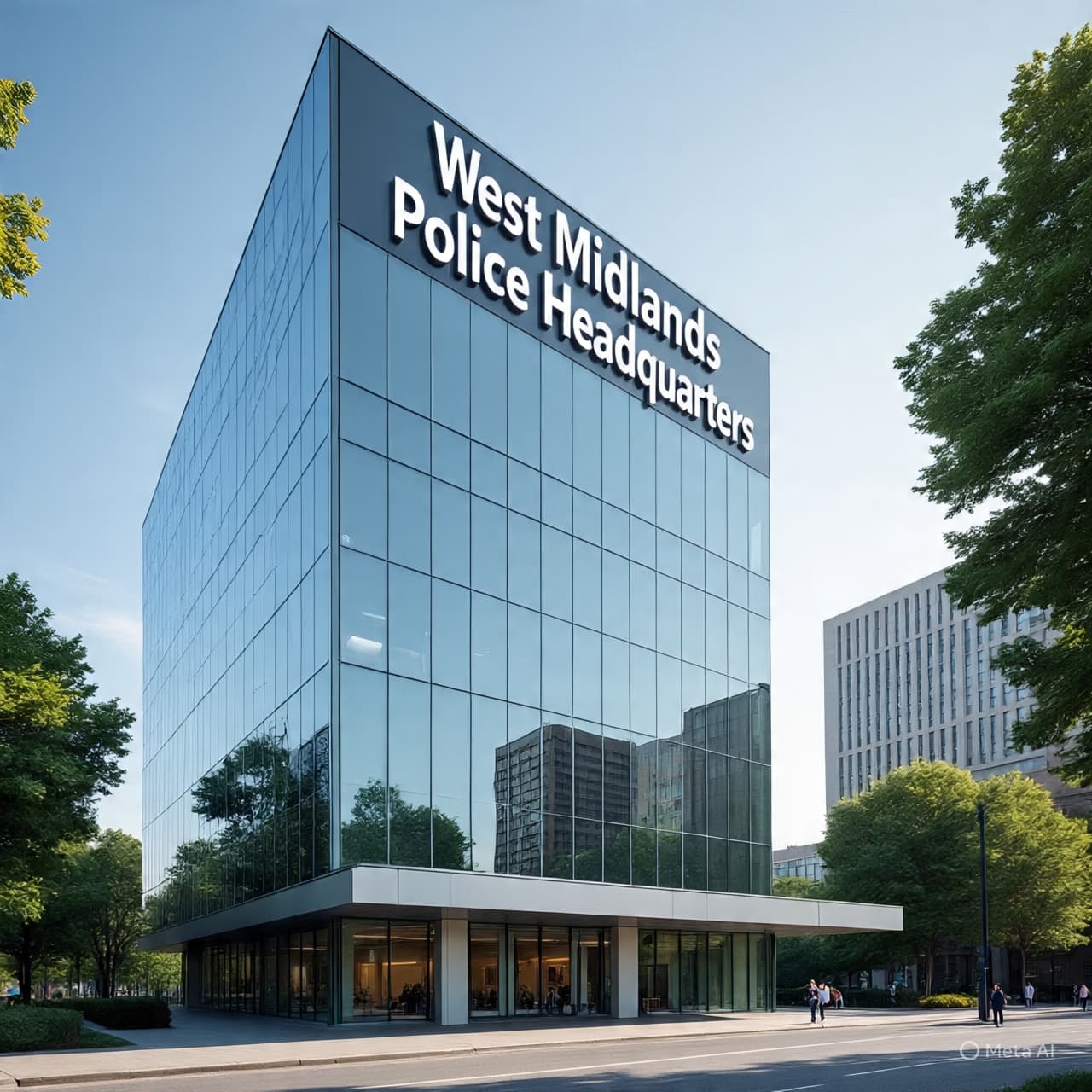
AI Image Disclaimer Illustrations were produced with AI and serve as conceptual depictions, not real photographs.
Sources
• The Guardian
• Irish News (Press Association)
• Daily Telegraph (follow-ups)
• Standard/PA Wire
Published by Banx Network. This article is part of the Banx decentralized media programme, powered by the BXE token on the XRP Ledger.