
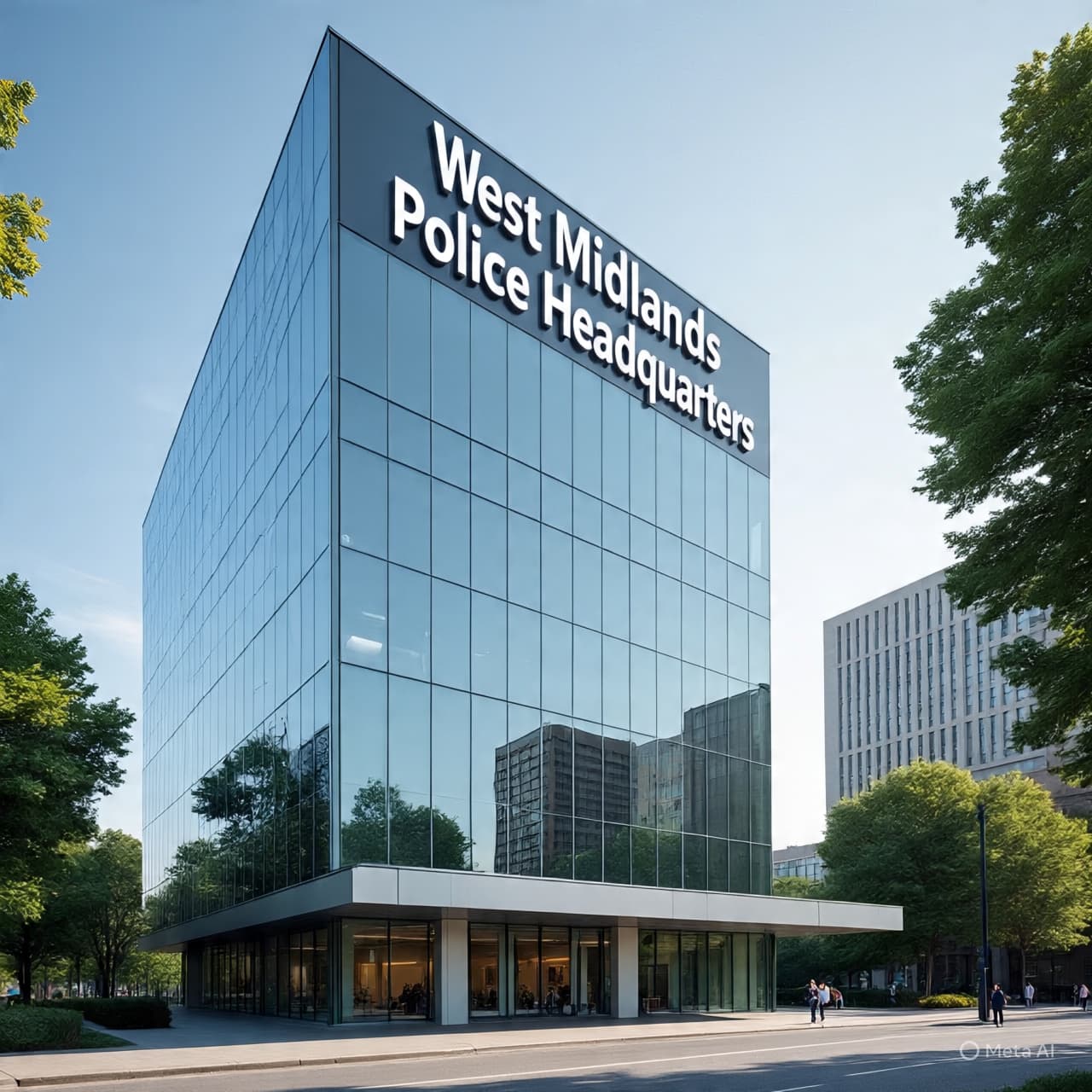
Key Highlights
- Home Secretary Shabana Mahmood lost confidence in West Midlands Police chief.
- Proposed reforms aim to enhance police accountability and oversight.
- The debate raises questions about the balance between independence and accountability.
In a significant moment for British policing, the Home Secretary, Shabana Mahmood, has publicly expressed a loss of confidence in the chief constable of West Midlands Police, Craig Guildford. This statement follows a critical watchdog report that scrutinized the police's decision to ban Maccabi Tel Aviv supporters from a 2025 football match. Mahmood's remarks in the House of Commons signal a shift in the relationship between political oversight and police leadership, highlighting the growing demand for accountability within the police force.
The controversy began when the West Midlands Police made a decision that drew widespread criticism, leading to questions about the integrity of the intelligence used to justify the ban. Mahmood's inability to directly dismiss Guildford, due to existing legal frameworks, has sparked discussions about the need for reform in how police leaders are held accountable for their actions. Guildford's subsequent retirement, framed by some as a reluctant exit rather than a dismissal, underscores the pressure police leaders face when their decisions come under public scrutiny.
In response to this incident, Mahmood has proposed a series of reforms aimed at restoring powers to the Home Secretary that would allow for the dismissal or suspension of underperforming chief constables. This proposal is part of a broader white paper on police reform that seeks to enhance accountability measures and establish performance league tables for police forces. The reforms aim to bridge the gap between local communities and the oversight of police operations, which have traditionally operated with a high degree of independence.
Supporters of the proposed changes argue that they represent a necessary evolution in policing, emphasizing the need for stronger oversight mechanisms to ensure public safety and confidence. However, critics warn that increasing centralization of authority could undermine the operational independence that chief constables have historically enjoyed. This tension between accountability and autonomy is a critical issue that resonates with communities across the UK, where public trust in policing is paramount.
As these proposals move through Parliament, the implications for policing and community relations are profound. The public's expectation is clear: policing must not only be effective but also accountable in a manner that aligns with democratic values and community standards. The ongoing dialogue about the role of police leadership and the mechanisms for holding them accountable will shape the future of policing in the UK.
The unfolding situation serves as a reminder of the delicate balance that must be maintained in any democracy between the need for effective law enforcement and the imperative of public accountability. As the debate continues, it will be crucial for policymakers to consider the voices of the communities they serve and the expectations they hold for those sworn to protect them.
Published by Banx Network. This article is part of the Banx decentralized media programme, powered by the BXE token on the XRP Ledger.



