
Key Highlights
- Austria's economy grew by 0.6% in early 2026, signaling resilience.
- The industrial sector is gradually regaining its rhythm after previous slowdowns.
- This growth reflects broader adjustments to global economic conditions.
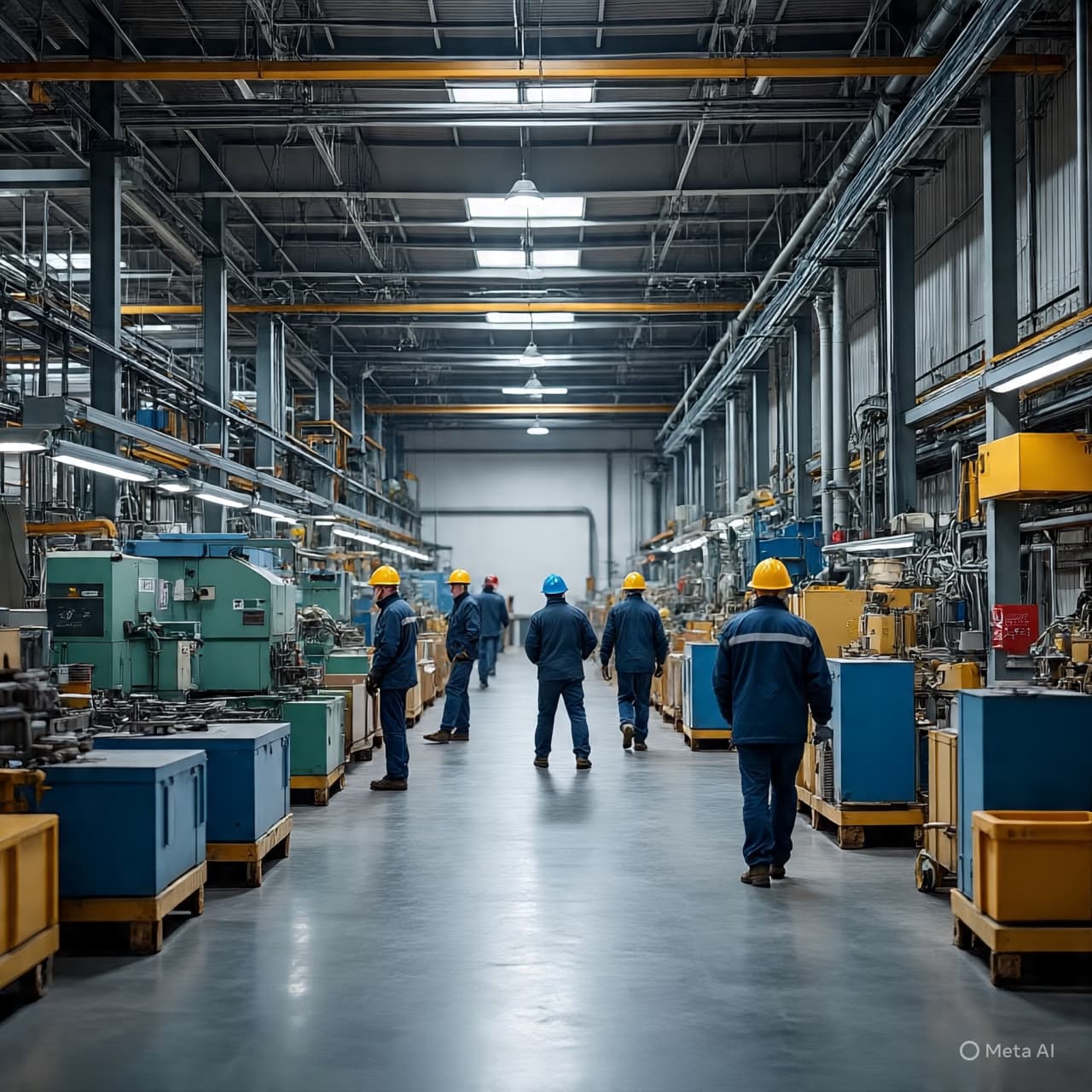
Austria's economy has quietly returned to growth with a modest 0.6% increase in early 2026, suggesting a slow but steady recovery in its industrial sector. This growth, while not explosive, indicates a significant shift as factories that once slowed due to global pressures are now beginning to hum with activity again. The industrial sector, often seen as the backbone of economic life, is regaining its rhythm, reflecting a careful balance rather than a frantic rush.
The 0.6% rise in production is more than just a statistic; it represents a broader adjustment to a world still grappling with the aftereffects of recent disruptions. Supply chains that were once stretched thin are beginning to realign, and various factors such as energy considerations, labor conditions, and changing demand patterns are converging to allow production to breathe once more. This growth, though modest, signals that adaptation is taking root in Austria's economy.
In the context of the wider European landscape, Austria's economic movements often serve as subtle indicators of regional sentiment. Smaller economies like Austria can reflect broader trends, and while a 0.6% increase may not exude confidence, it does not indicate a retreat either. Instead, it suggests a cautious forward movement where stability is prioritized alongside growth.
This measured pace of growth is reflective of a broader economic alignment—between domestic needs and global influences, and between past disruptions and present recovery. The industrial revival at the heart of this growth appears less like a surge and more like a steady recalibration, emphasizing that resilience often manifests in quiet, incremental ways.
However, even amidst this gentle progress, uncertainty looms. External factors such as global trade conditions, geopolitical developments, and the evolving nature of industrial demand continue to shape Austria's economic trajectory. These influences do not vanish with a single quarter of growth; rather, they persistently weave through the economic fabric, subtly guiding its direction.
Recognizing this movement, however measured, is crucial. The 0.6% figure reflects an economy that is neither stalled nor racing ahead but is instead finding its equilibrium once more. It suggests that the underlying structures of Austria's economy remain intact, capable of responding and adjusting to ongoing challenges.
As the early months of 2026 unfold, Austria's economic narrative appears to be one of careful reconstruction rather than rapid transformation. It is a story shaped not by dramatic shifts but by quiet persistence, where each step forward contributes to a broader sense of continuity and balance. In this light, the growth is not merely a number to observe but a moment to comprehend—a sign that even in uncertain times, economies can advance with steady, deliberate grace.
Published by Banx Network. This article is part of the Banx decentralized media programme, powered by the BXE token on the XRP Ledger.



