

Key Highlights
- Rising Costs:Tasmanian farmers face increased labor and transportation expenses.
- Harvest Decisions:Many are reconsidering whether to harvest crops this season.
- Broader Implications:The situation reflects challenges in agriculture beyond Tasmania.
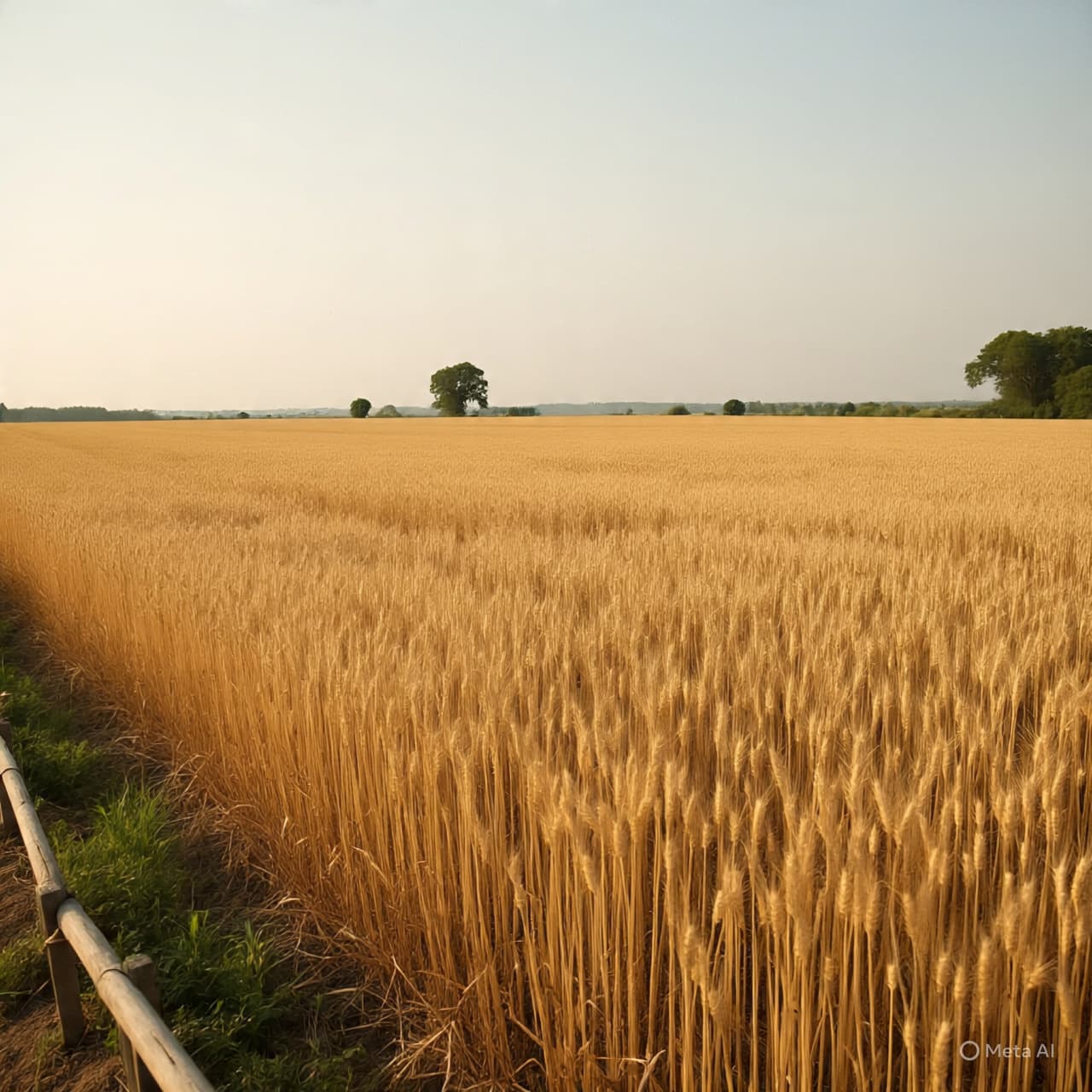
In the picturesque fields of Tasmania, the agricultural cycle of planting, tending, and harvesting is facing unprecedented challenges. Farmers are now confronted with a critical decision: whether to harvest their crops or leave them in the ground. This dilemma arises from a confluence of rising costs, particularly in labor, fuel, and transportation, which have begun to overshadow the potential profits from selling produce in the current market.
For many farmers, the numbers simply do not add up. Harvesting, which traditionally signifies the culmination of months of hard work, now poses a significant financial risk. The prospect of incurring losses has led some to consider leaving their crops unharvested, a choice that is both reluctant and pragmatic. This shift in decision-making underscores the precarious nature of farming in today's economic climate.
Industry experts highlight that these cost pressures have been building over time, exacerbated by global supply chain disruptions, inflation, and a shortage of seasonal labor. The labor required for harvesting is not only becoming more expensive but also increasingly difficult to secure. As a result, farmers are forced to reassess their operational strategies, weighing immediate costs against long-term sustainability.
The implications of choosing not to harvest extend beyond immediate financial concerns. Such decisions can have lasting effects on soil management, future planting cycles, and contractual obligations with buyers. Each choice made in the fields carries significant consequences, not just for the farmers but for the broader agricultural ecosystem.
Government agencies and agricultural organizations are closely monitoring the situation, recognizing its potential impact on food supply and rural economies. While Tasmania serves as a case study, similar pressures are being felt across various agricultural regions, indicating a widespread challenge within the industry.
In response to these challenges, some producers are exploring alternative strategies, such as reducing the acreage they plant or shifting to less labor-intensive crops. Others are advocating for policy support, including subsidies or incentives aimed at alleviating the financial burdens imposed by rising operational costs. These discussions are crucial as farmers navigate a landscape that is increasingly influenced by economic realities.
The decision to leave crops unharvested is not made lightly. It represents a critical intersection of economic pressures and agricultural practices, fundamentally altering the expected trajectory of the farming year. For consumers, these shifts may soon translate into changes in pricing and availability of produce, as the path from field to table becomes more complex.
As the growing season progresses, Tasmanian farmers continue to evaluate their options with care. The fields remain, but the certainty of a successful harvest—once taken for granted—now hangs in a delicate balance, prompting a reevaluation of what it means to farm in today's world.
Published by Banx Network. This article is part of the Banx decentralized media programme, powered by the BXE token on the XRP Ledger.




