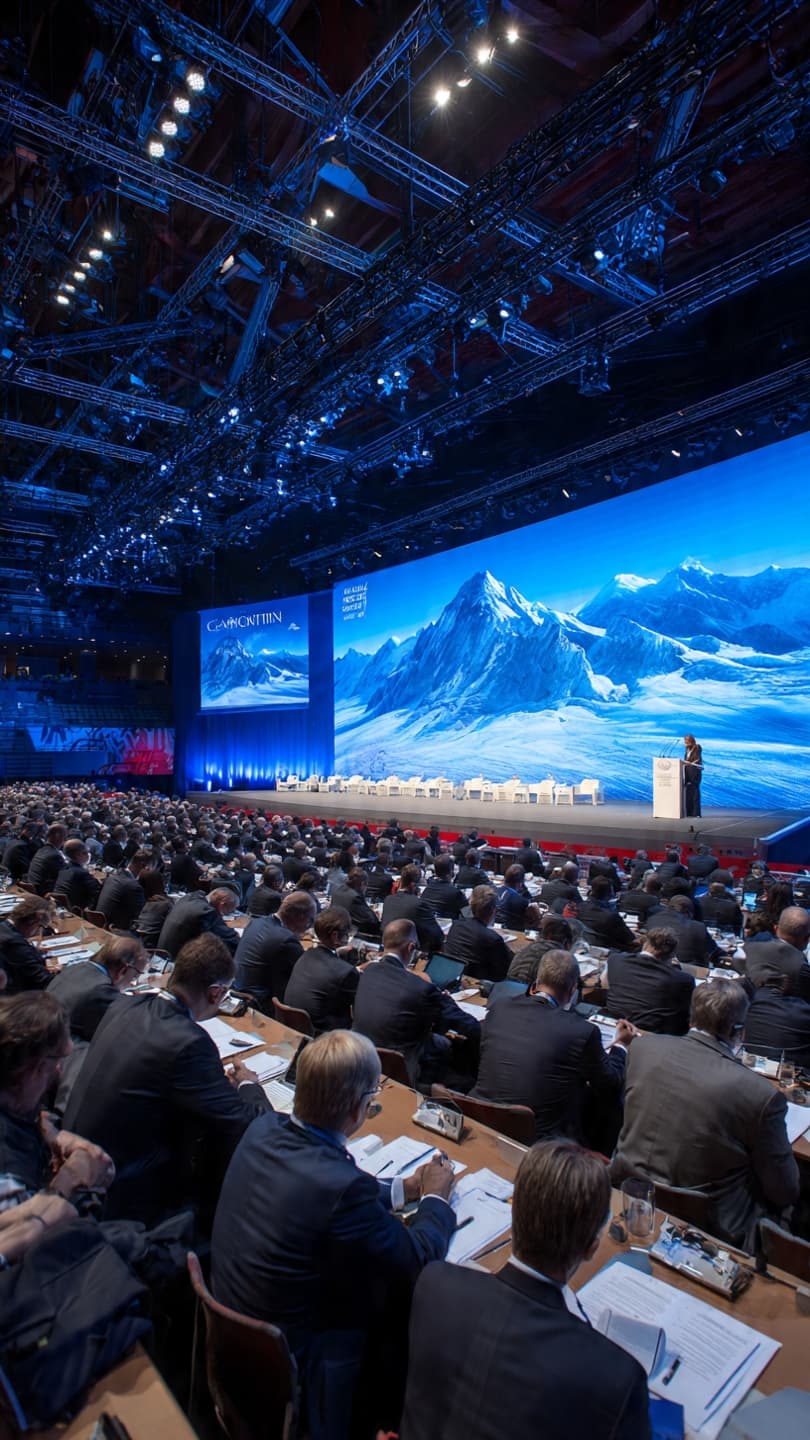
There are seasons when the world gathers not merely to discuss, but to listen—to measure the distance between where it stands and where it may be heading. At a recent climate summit, that distance was described in stark, almost existential terms, as if the path forward had begun to curve back on itself.
Amid the layered conversations about emissions targets and policy frameworks, a sharper note emerged. A speaker—drawing attention not just for the content of the warning but for its tone—described the prevailing model of global capitalism as “suicidal,” suggesting that its trajectory, if left unchecked, risks steering societies toward deeper instability, conflict, and even the resurgence of authoritarian tendencies. The remark did not land as a sudden outburst, but rather as part of a broader unease that has been quietly threading through discussions of climate and economy alike.
The argument itself is not entirely new, yet it has taken on renewed urgency. At its core lies a concern that systems built on continuous expansion may struggle to reconcile with a planet defined by limits. Growth, long treated as a universal good, becomes more complex when its costs accumulate unevenly—across regions, across generations, and across ecosystems that do not negotiate or adapt at the pace of markets.
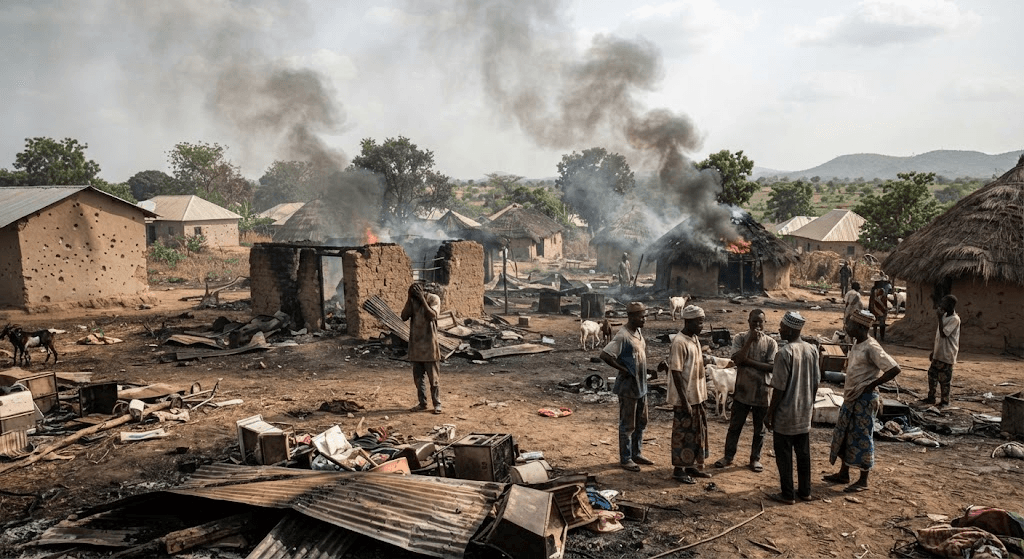
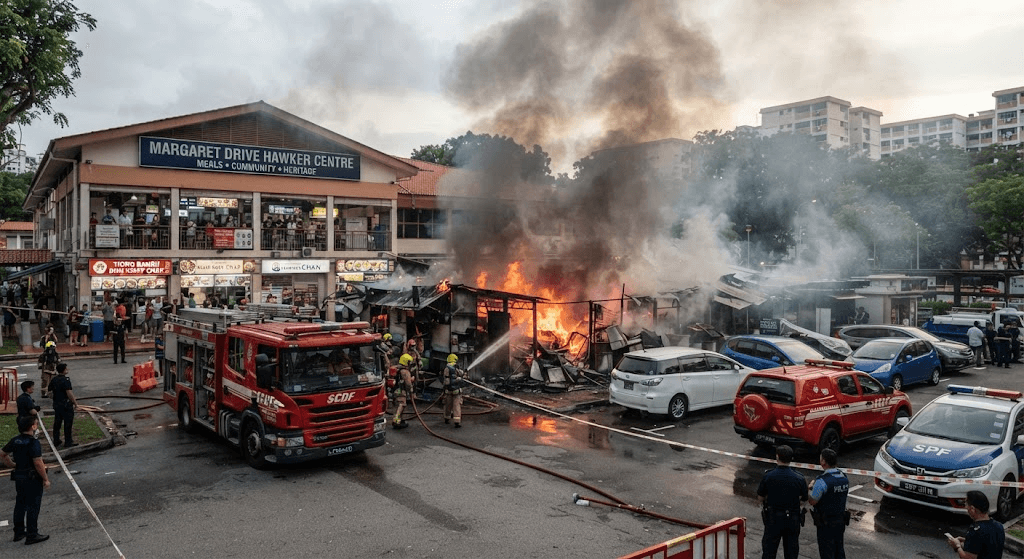
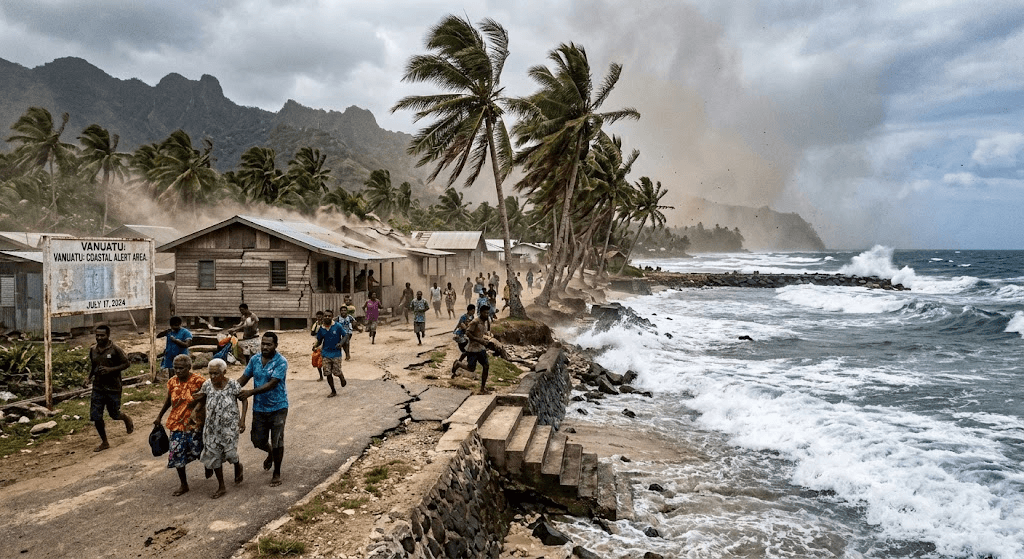
In this framing, environmental strain and political tension are not separate phenomena, but interconnected expressions of imbalance. Resource scarcity, climate displacement, and economic inequality can, over time, create conditions where social cohesion weakens. History has shown, in different contexts, that such conditions may open space for more rigid or exclusionary forms of governance to take hold. The warning voiced at the summit, then, was less about predicting a single outcome and more about recognizing patterns that have, at times, repeated themselves.
Yet the atmosphere of the summit was not defined solely by alarm. Alongside the cautionary language were efforts to reimagine pathways forward—discussions of sustainable development, green transitions, and economic models that seek to align growth with environmental stewardship. These conversations reflect an ongoing attempt to hold two ideas in tension: that prosperity remains a legitimate aim, and that its definition may need to evolve.
Reactions to the “suicidal” characterization have been varied. Some view it as an overdue acknowledgment of structural risks, while others see it as an overstatement that overlooks the adaptability of market systems. Between these positions lies a quieter space, where policymakers and analysts continue to weigh evidence, test assumptions, and navigate the complexities of global coordination.
The summit itself, like many before it, concluded without a single, defining resolution. Instead, it left behind a collection of statements, commitments, and, perhaps most notably, questions—about pace, about priorities, and about the kinds of trade-offs societies are willing to consider.
In the end, the warning lingers not as a final verdict, but as part of an ongoing conversation. Whether it is interpreted as a call for transformation or a moment of rhetorical intensity may depend on what follows—on how nations, institutions, and individuals choose to respond in the time ahead.
AI Image Disclaimer
Illustrations were produced with AI and serve as conceptual depictions.
Source Check
Credible coverage exists and is strong. Key sources:
Reuters
The Guardian
Al Jazeera
BBC News
Financial Times
Published by Banx Network. This article is part of the Banx decentralized media programme, powered by the BXE token on the XRP Ledger.