The global economy often encounters unexpected challenges, much like a ship navigating changing weather across open waters. Some storms pass quickly, while others create lasting uncertainty that influences decisions far beyond their point of origin. Recent volatility within energy markets has represented one of those challenges, drawing attention from businesses, investors, and policymakers alike. Yet despite these pressures, the American economy continues demonstrating a level of resilience that has surprised many observers.
Energy remains deeply connected to nearly every aspect of economic activity. Transportation networks, manufacturing facilities, logistics systems, and households all depend upon stable access to fuel and power. When energy prices rise sharply or market disruptions occur, concerns naturally emerge regarding their potential impact on growth, inflation, and consumer spending.
Recent energy market shocks have been driven by a combination of supply concerns, shipping risks, and broader geopolitical developments. These factors have contributed to fluctuations in oil and fuel prices, encouraging businesses to reevaluate operating costs and financial planning. Historically, sustained increases in energy costs have often placed pressure on economic expansion.
However, the current economic environment has displayed notable resilience. Consumer spending remains relatively healthy, supported by stable employment conditions and continued income growth. Households have continued participating in economic activity despite facing higher costs in certain areas, helping maintain momentum across sectors ranging from retail to travel.
Businesses have also adapted to changing conditions. Many companies have invested in efficiency improvements, supply-chain diversification, and technology solutions designed to reduce operational vulnerability. Lessons learned from previous disruptions have encouraged organizations to build greater flexibility into their long-term planning strategies.
Employment remains another important source of economic strength. A healthy labor market supports consumer confidence while providing businesses with the workforce necessary to sustain operations and expansion. Strong hiring activity has contributed to a broader sense that economic fundamentals remain relatively stable despite external challenges.
Financial markets continue monitoring the situation closely. Investors recognize that energy volatility can influence inflation trends and monetary policy decisions. At the same time, economic resilience has challenged assumptions that higher energy costs would immediately translate into weaker growth. This balance between caution and optimism has become a defining feature of current market discussions.
Economists note that resilience does not imply immunity. Prolonged energy disruptions could eventually influence corporate profitability, consumer behavior, and investment activity. As a result, policymakers and business leaders remain attentive to developments that may affect future conditions. Maintaining stability often requires continuous adaptation rather than passive confidence.
The broader picture suggests that the American economy has become increasingly capable of absorbing external shocks. Diversified industries, technological innovation, and strong consumer activity have all contributed to a capacity for adjustment that supports continued growth even during uncertain periods.
For now, the story is not one of uninterrupted expansion or complete certainty. Rather, it is a story of resilience. While energy market volatility continues generating questions about the future, economic activity remains active, businesses continue investing, and consumers continue participating in the marketplace. Together, these factors illustrate an economy that remains in motion despite the challenges surrounding it.
AI Image Disclaimer
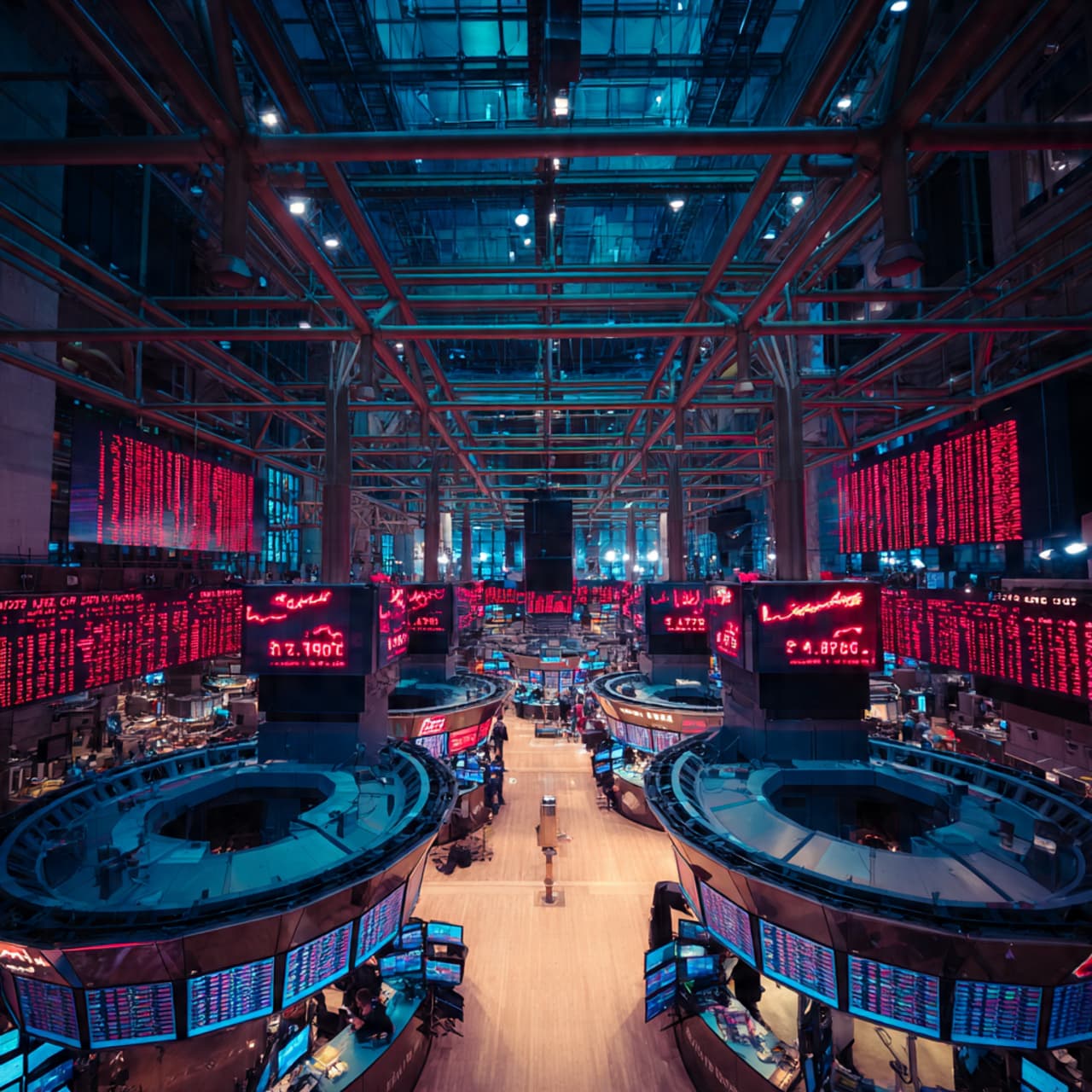
Illustrations were produced with AI and serve as conceptual depictions.
Sources
Reuters Bloomberg CNBC Financial Times Wall Street Journal
Published by Banx Network. This article is part of the Banx decentralized media programme, powered by the BXE token on the XRP Ledger.