

Key Highlights
- Recent clashes along the Lebanon-Israel border have intensified.
- A Hezbollah commander shares insights on the realities of modern warfare.
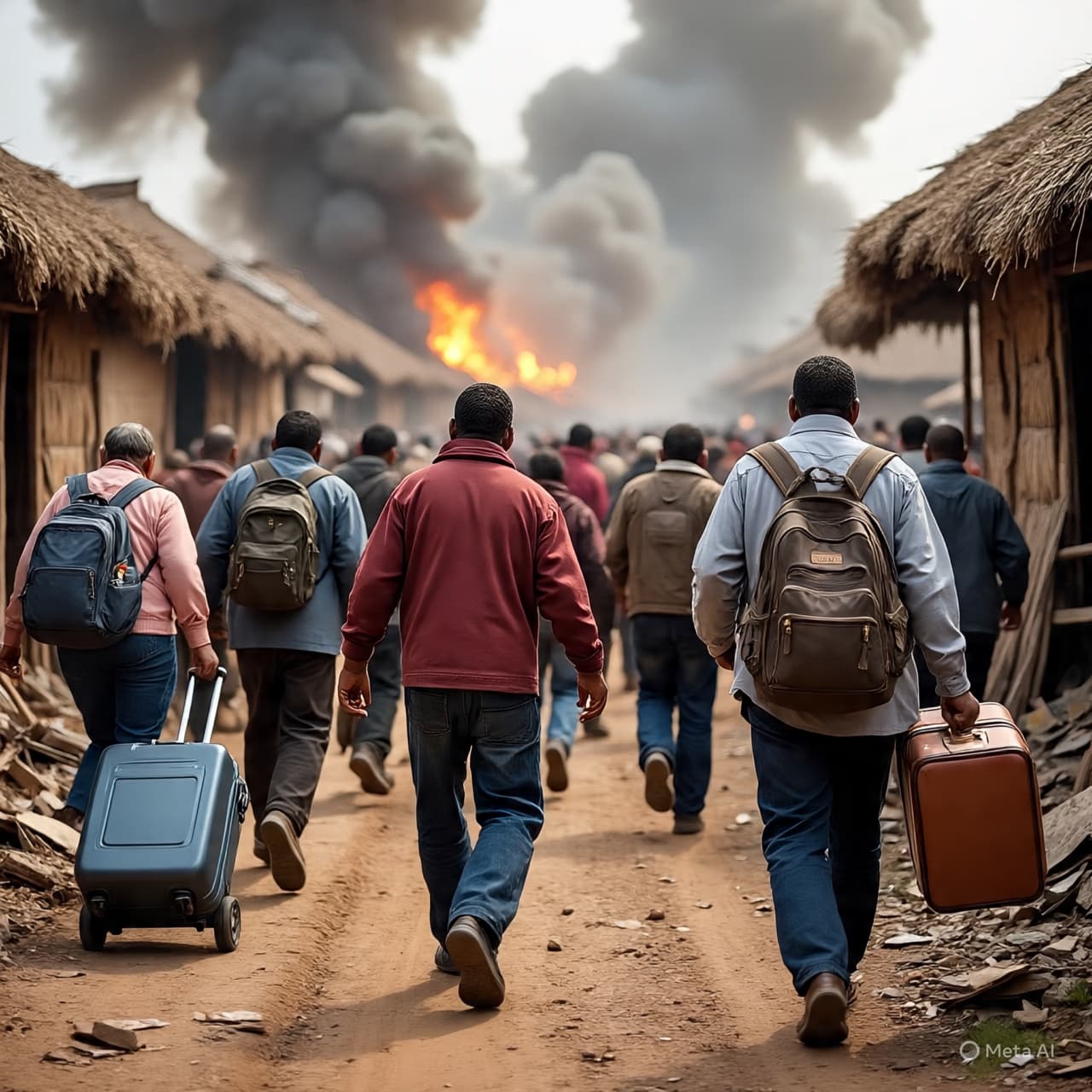
- Civilian displacement and infrastructure damage continue to affect communities.
In the complex landscape of southern Lebanon, the echoes of conflict resonate deeply within the daily lives of its inhabitants. War does not simply erupt; it unfolds gradually, like a storm gathering strength. This region, marked by ancient olive trees and a history of strife, is once again shaped by the realities of confrontation. A recent account from a Hezbollah field commander sheds light on the lived experiences of those navigating this turbulent environment.
The commander’s reflections provide a unique perspective on the ongoing clashes with Israeli forces, which have escalated in recent months. According to various international reports, the frequency of cross-border exchanges, including gunfire and drone activity, has increased significantly. The commander emphasized the importance of adaptability in this evolving battlefield, where local knowledge and mobility are crucial for survival against advanced military technology.
Describing the unpredictable nature of engagements, he noted that moments of calm can swiftly transform into violence. Fighters operate under constant pressure, aware that the presence of drones and reconnaissance can shift the dynamics of any encounter in an instant. This modern warfare blurs the lines between traditional combat and technological mediation, creating a landscape where encounters are both fleeting and intense.
The impact of these developments extends beyond the battlefield. Humanitarian organizations report ongoing displacement in southern Lebanon, as families are forced to relocate amid rising tensions. Infrastructure damage, while varying in severity, adds to the uncertainty faced by communities already accustomed to cycles of instability. The humanitarian crisis is compounded by the psychological toll of living in a conflict zone, where the threat of violence looms large.
On the Israeli side, military statements have focused on defensive operations in response to perceived threats from Hezbollah. This ongoing exchange of fire underscores a long-standing conflict dynamic, where narratives diverge sharply based on perspective. Each side frames its actions through the lens of security concerns, contributing to a complex and entrenched situation that defies easy resolution.
Analysts caution that while firsthand accounts from commanders like the one discussed are invaluable, they represent only a fragment of a much larger picture. The historical context of the region—marked by previous conflicts, ceasefires, and intermittent escalations—continues to shape current events. Understanding the present requires acknowledging the weight of the past and the geopolitical factors at play.
Ultimately, the commander’s insights reveal more about the endurance of those living in conflict zones than about military strategy. In a landscape where borders are both physical and symbolic, the experience of conflict becomes a shared reality, albeit an uneven one. For those on the ground, time is often measured not in days but in the intervals between confrontation and moments of quiet.
As the situation along the Lebanon-Israel border remains unresolved, it continues to attract international attention. Observers stress the importance of diplomatic efforts, even as hostilities persist. Voices from within the conflict, such as that of the Hezbollah commander, provide a crucial lens through which to understand a reality that is as fragile as it is ongoing.
Published by Banx Network. This article is part of the Banx decentralized media programme, powered by the BXE token on the XRP Ledger.




