

Key Highlights
- La Llorona:A haunting figure in Mexican folklore representing grief and loss.
- Cultural Impact:The legend serves as a reflection of social narratives and motherhood.
- Modern Adaptations:La Llorona's story continues to evolve in literature and film.
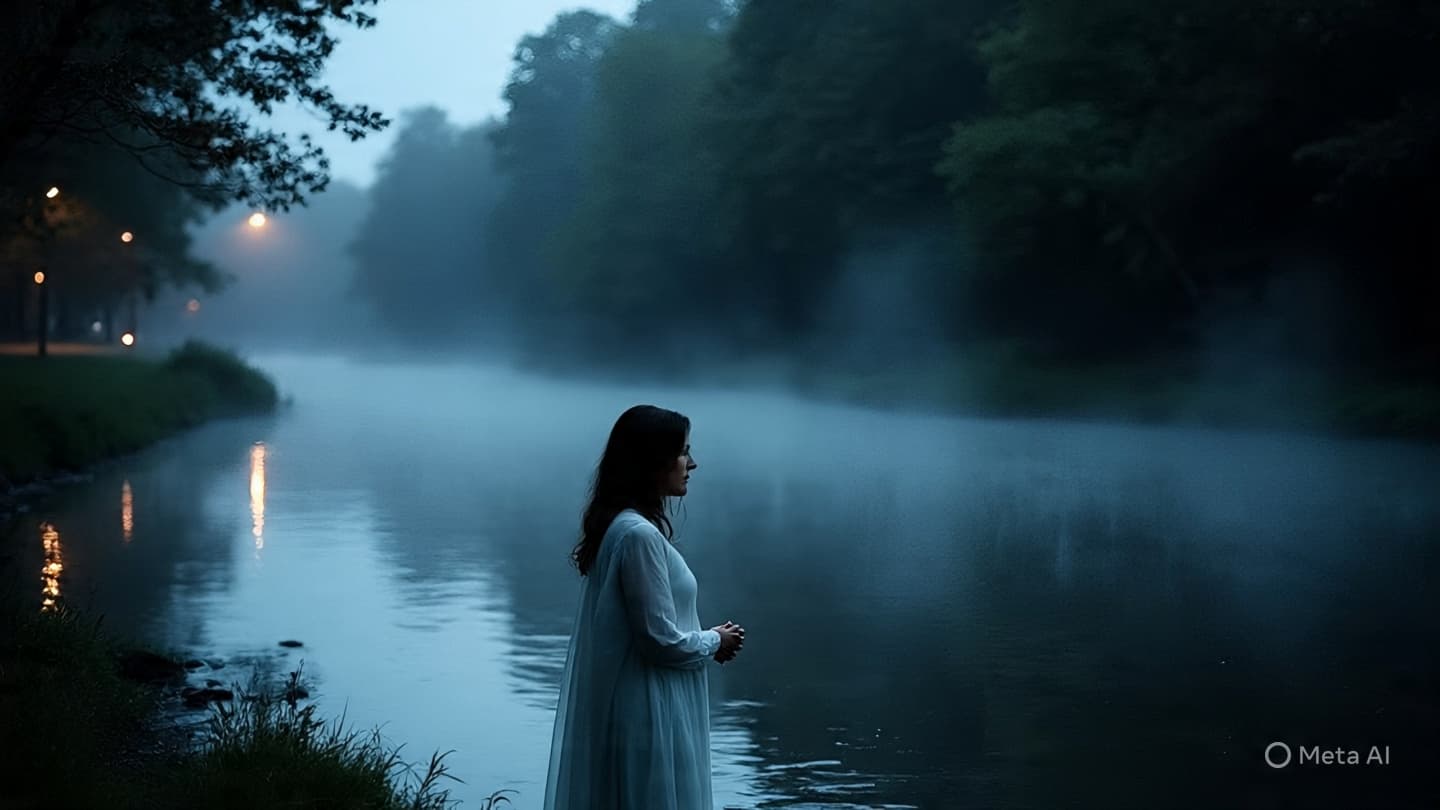
La Llorona, or 'The Weeping Woman,' is a prominent figure in Mexican folklore, embodying themes of sorrow and consequence. The legend tells of a mother who, consumed by despair, drowned her children in a river and now wanders the earth, eternally searching for them. Her mournful cries are said to echo through the night, creating a chilling yet poignant presence in both rural and urban storytelling.
The origins of La Llorona are steeped in various interpretations, with some narratives tracing her roots back to colonial Mexico, where social upheaval and cultural dislocation were prevalent. Other versions depict her as a timeless figure, representing universal themes of loss, regret, and the emotional toll of motherhood. This duality allows La Llorona to resonate with diverse audiences, making her story both a cautionary tale and a reflection of deeper societal issues.
Scholars and cultural historians have examined La Llorona's significance beyond mere ghost stories. Her narrative often serves as a commentary on the experiences of women, particularly in the context of motherhood and marginalization. This perspective highlights how folklore can encapsulate the struggles and emotions of a community, transforming personal grief into a collective cultural identity.
In contemporary media, La Llorona's story has been adapted into various forms, from literature to film. Each retelling brings a unique interpretation, sometimes emphasizing horror elements, while other adaptations focus on the tragedy of her plight. Despite these variations, the emotional core of the legend remains intact, illustrating the enduring power of storytelling.
Communities across Mexico continue to share the tale of La Llorona, particularly in regions near rivers and lakes where her legend is most potent. While often recounted to children as a cautionary tale, the story also serves as a vital part of oral history, showcasing how folklore can adapt and thrive through generations without losing its essence.
In recent years, La Llorona has gained recognition within the broader context of Latin American mythology, drawing parallels with other cultural narratives involving maternal figures and spirits. This exploration has allowed her story to transcend national borders, further solidifying her place in the cultural consciousness.
Today, La Llorona is less a figure of fear and more a poignant reminder of human emotion, shaped into a narrative that continues to resonate across cultures and generations. Her legacy endures, echoing through the rivers and streets, inviting reflection on the complexities of grief and the enduring power of folklore.
Published by Banx Network. This article is part of the Banx decentralized media programme, powered by the BXE token on the XRP Ledger.




