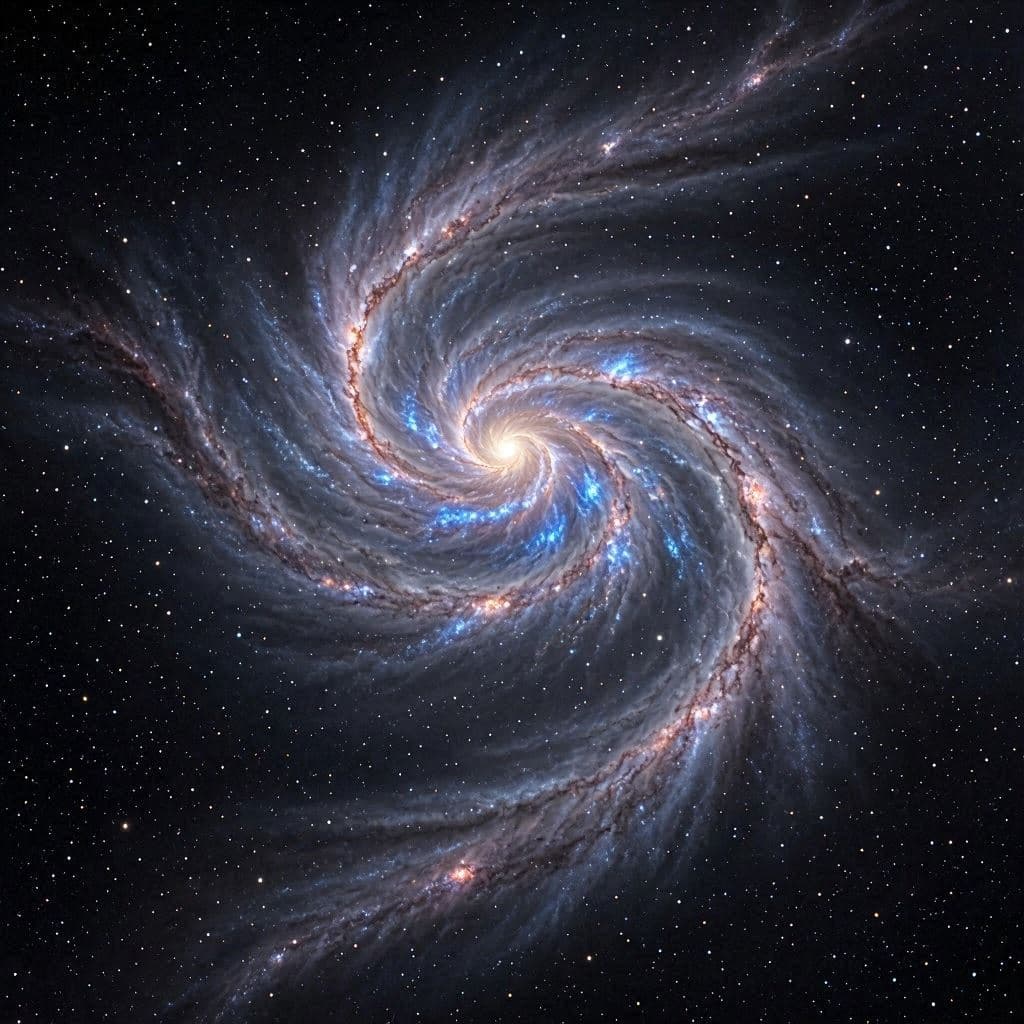
In the vast, silent theater of the cosmos, where gravity acts as both sculptor and destroyer, the Hubble Space Telescope has captured a striking image of cosmic distortion. A distant spiral galaxy, once likely symmetrical and serene, now appears twisted and elongated, its structure warped by the immense gravitational pull of a neighboring cluster. This celestial phenomenon, known as tidal stripping, offers a vivid illustration of the dynamic and often violent interactions that shape the universe.
The image serves as a reminder that galaxies are not static islands in space but active participants in a gravitational dance. As they move through the cosmos, their encounters can leave lasting scars, transforming their appearance and altering their evolutionary paths.
Body: The galaxy in question, identified as part of a larger group, exhibits long streams of stars and gas extending from its core. These tidal tails are the result of differential gravitational forces, where the side of the galaxy closer to the massive cluster experiences a stronger pull than the far side. This stretching effect pulls material away from the galaxy, creating the distorted shape observed by Hubble.
Astronomers use such observations to understand the distribution of dark matter, which makes up the majority of the mass in galaxy clusters. Although invisible, dark matter’s gravitational influence is evident in the way it bends light and distorts the shapes of background objects. The warping of this spiral galaxy provides clues about the unseen mass governing its motion.
This process is common in dense environments like galaxy clusters, where hundreds or thousands of galaxies reside in close proximity. Over billions of years, repeated interactions can strip a galaxy of its gas and stars, eventually transforming it into a smaller, less structured entity. This evolution highlights the competitive nature of cosmic ecosystems.
The Hubble Space Telescope’s high-resolution capabilities allow scientists to study these details with unprecedented clarity. By analyzing the color and brightness of the stars in the tidal tails, researchers can estimate the age of the stripped material and the timeline of the interaction. This data helps refine models of galaxy formation and merger histories.
For the general public, images like this evoke a sense of wonder and humility. They illustrate the sheer scale of the universe and the powerful forces at play. The beauty of the distorted galaxy, with its swirling arms and faint trails, transforms a scientific observation into a work of art.
Such discoveries also have implications for understanding the future of our own Milky Way. In billions of years, our galaxy will collide with Andromeda, undergoing a similar transformation. Studying distant examples helps astronomers predict the outcomes of these future cosmic events.
The ongoing mission of Hubble continues to yield valuable insights, even as newer telescopes like James Webb come online. Its legacy lies not just in the data it collects but in the way it changes our perspective on our place in the universe.
As we look deeper into space, we see more evidence of change and movement. The static night sky is an illusion; in reality, the cosmos is a place of constant flux and transformation.
Closing: The warped spiral galaxy spotted by Hubble is a testament to the power of gravity and the dynamic nature of the universe. It invites us to appreciate the complex processes that shape the cosmos, reminding us that beauty can emerge from cosmic chaos.
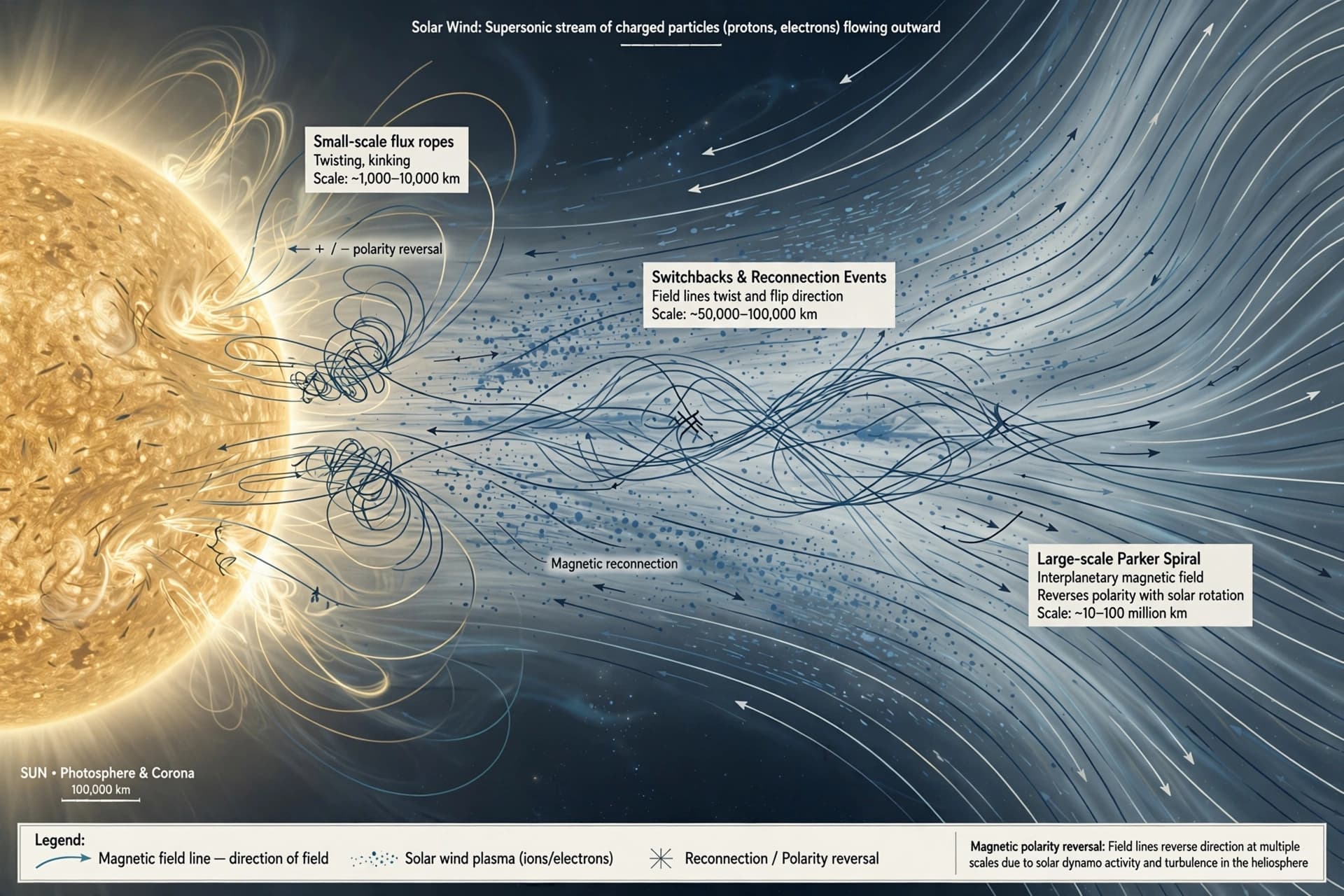
AI Image Disclaimer: The visuals accompanying this article are AI-generated illustrations designed to reflect the majestic and distorted structure of the galaxy.
Sources: NASA ESA HubbleSite Space.com
Published by Banx Network. This article is part of the Banx decentralized media programme, powered by the BXE token on the XRP Ledger.