There are seasons in commerce — not measured by months on the calendar but by moods among buyers and sellers. In China’s vast gold jewelry market, this season feels less like autumn’s retreat and more like the quiet morphing of winter snow into spring runoff — a transformation that reshapes without drawing a hard line between what was and what will be. What once might have looked like contraction now reveals itself as stratification, a shifting landscape where taste, price, and purpose quietly redraw the maps of demand.
For decades, gold jewelry in China carried a simple promise: pieces worn close to the body, glittering in celebration and sentiment, were expressions of cultural values and personal dignity. Yet as markets and minds evolve, that tradition is splintering into new threads. Where once jewelry demand was measured almost solely in grams sold, today the story stretches beyond volume into layers of choice and intention.
At the highest tier, heritage and high‑end brands are drawing a devoted audience among affluent consumers. These buyers, for whom value is entwined with scarcity and symbolism, are gravitating toward luxurious, often bespoke pieces — objects that reflect both status and storied craftsmanship. In some cases, this segment is flourishing precisely because its participants see gold as an emblem of identity and enduring worth.
Simultaneously, there is a contrasting current in the broader market. As global and domestic gold prices have climbed and consumers grow more cautious about discretionary spending, many middle‑income buyers are recalibrating their priorities. Rather than choosing heavier, traditional styles tied intrinsically to pure gold content, they seek lighter, more contemporary designs that balance aesthetic appeal with everyday affordability. This trend suggests that gold jewelry is no longer a monolithic sector defined by weight and price alone — it is, instead, diversifying into niches and subcultures of consumption.
Even the fundamental nature of gold itself — long a symbol of cultural continuity — is experiencing a subtle redefinition. Reports show that although total gold purchases are shifting, investment demand for gold bars and coins is rising, outpacing demand for jewelry in recent cycles; this underlines how Chinese consumers increasingly view gold not just as adornment but also as a store of value, a hedge in times of economic uncertainty, or even a strategic reserve.
What emerges from these gentle tectonics is a portrait of a market that is neither shrinking nor dying, but rather redistributing its energy into new forms and expressions. In retail windows and digital showcases alike, younger buyers are being courted with designs that fuse heritage motifs with modern sensibilities. Meanwhile, legacy buyers continue to appreciate the depth and resonance of high‑luxury pieces that embody tradition and investment alike. Gold — in both its artistic and asset dimensions — is proving resilient, not by staying still, but by adapting quietly under the surface of headline numbers.
As this artful redistribution continues to unfold, it tells a broader story about consumption in China and beyond: that markets seldom die; they evolve. What may appear from afar as decline can, upon closer reflection, be the gentle birth of a more textured, layered marketplace, where diversity of demand reflects the diversity of those who value — and wear — gold.
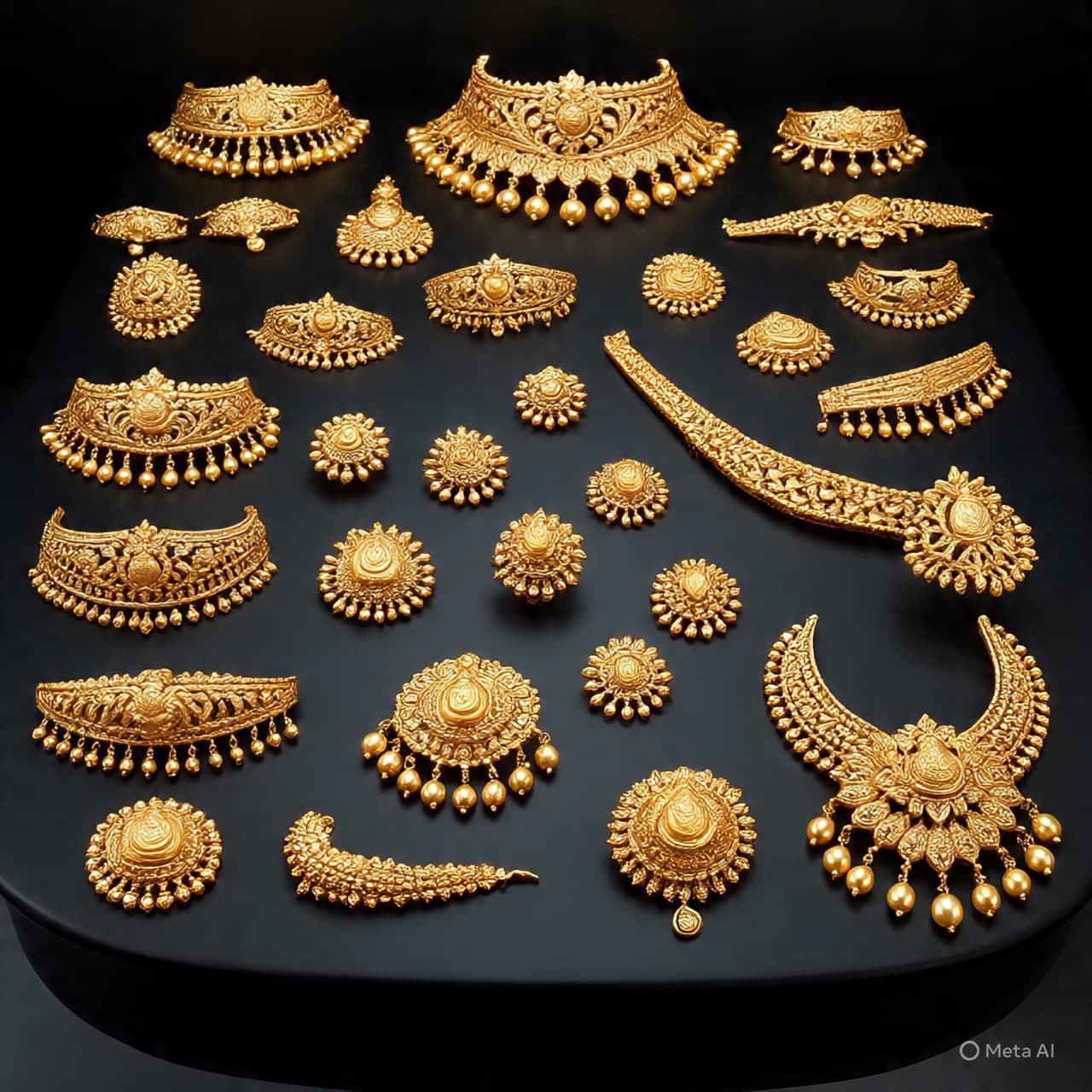
AI Image Disclaimer (Rotated Wording) Graphics are AI‑generated and intended for representation, not reality.
Source Check Credible reporting on this topic exists from the following media outlets:
Jing Daily (analysis of the gold jewelry market stratification in China) WWD (analysis of Chinese luxury & consumption trends) The Standard (HK) (data on China’s gold consumption shifts) MoneyMetals (analysis of Chinese gold demand trends) Gold.org report (insights into Chinese gold jewelry consumption dynamics)
Published by Banx Network. This article is part of the Banx decentralized media programme, powered by the BXE token on the XRP Ledger.