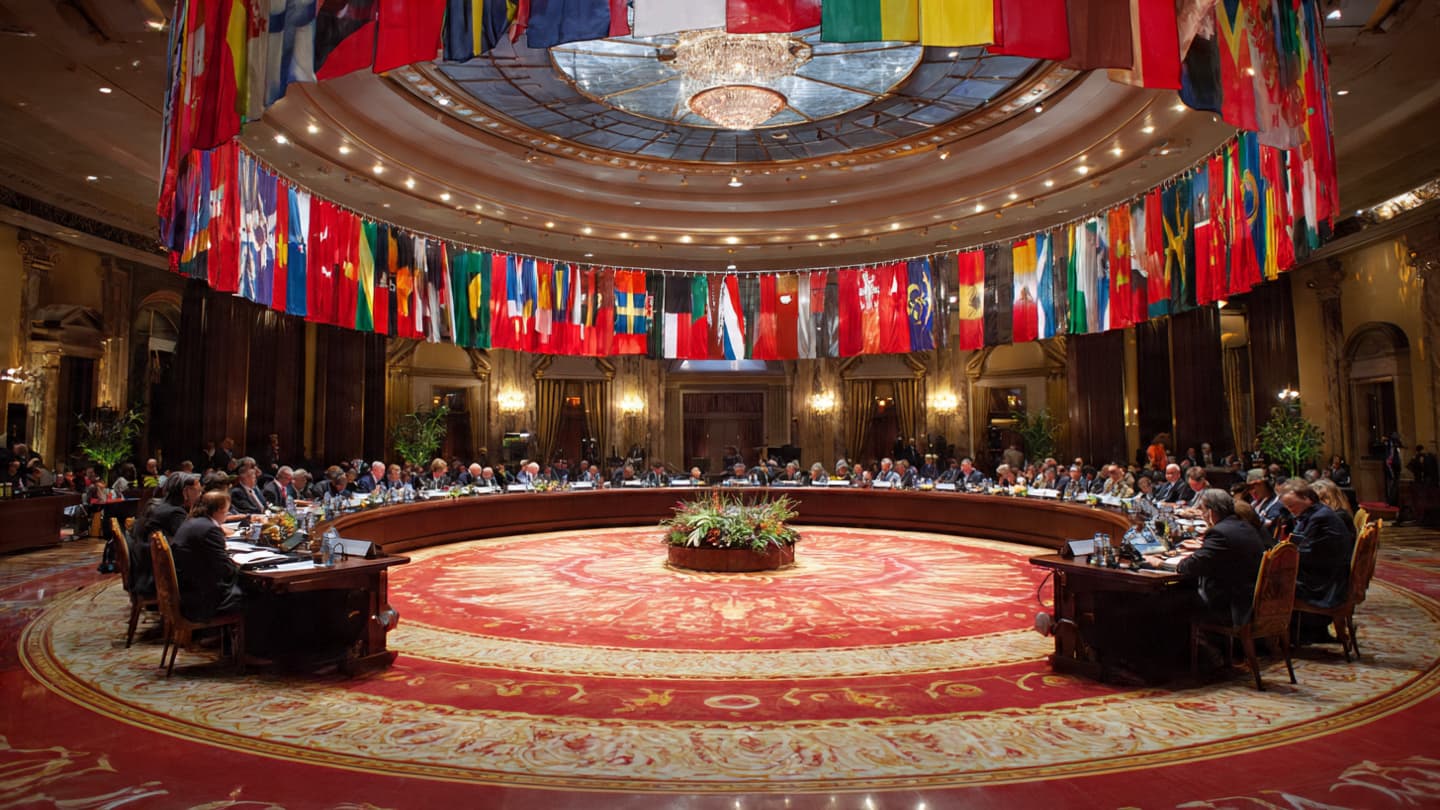
Global trade negotiations often resemble a long bridge under construction, where each step forward depends on countless invisible alignments between nations, policies, and expectations. In Geneva, that bridge has once again met a pause, as discussions over agricultural tariffs reveal how delicate the balance of shared economic interest can be.
Recent rounds of global trade talks in Geneva have reportedly stalled as participating countries struggle to reach consensus on agricultural tariff reductions and related market access rules. The discussions, held under multilateral frameworks, were intended to advance long-standing efforts to reduce trade barriers and stabilize food supply chains.
The core tension centers on how different economies structure support for their agricultural sectors. Some nations maintain that protective tariffs are necessary to safeguard domestic farmers and food security, while others argue that such measures distort global competition and limit fair access to markets.
Delegates involved in the talks have described the atmosphere as cautious, with incremental progress overshadowed by unresolved disagreements. While technical discussions continue in smaller groups, no comprehensive agreement has emerged from the main negotiating table.
Economic observers note that agricultural trade remains one of the most sensitive areas in global commerce, often reflecting deeper political and social priorities beyond pure market logic. Food systems are closely tied to national identity and rural livelihoods, making compromise more complex.
At the same time, global supply chain pressures and climate-related disruptions have added urgency to the negotiations, as policymakers attempt to ensure stability in food imports and exports. However, these shared concerns have not yet translated into unified policy direction.
Trade analysts suggest that while stalled talks are not uncommon in multilateral settings, the current impasse underscores the growing difficulty of aligning diverse economic models in an increasingly fragmented global economy.
As discussions in Geneva continue without a final breakthrough, negotiators remain engaged in efforts to narrow differences, even as agricultural tariff disputes keep broader agreement just out of reach.
AI Image Disclaimer: Images used in this article are AI-generated and intended for illustrative editorial purposes only.
Sources: Reuters, BBC News, Financial Times, World Trade Organization reports
Published by Banx Network. This article is part of the Banx decentralized media programme, powered by the BXE token on the XRP Ledger.