
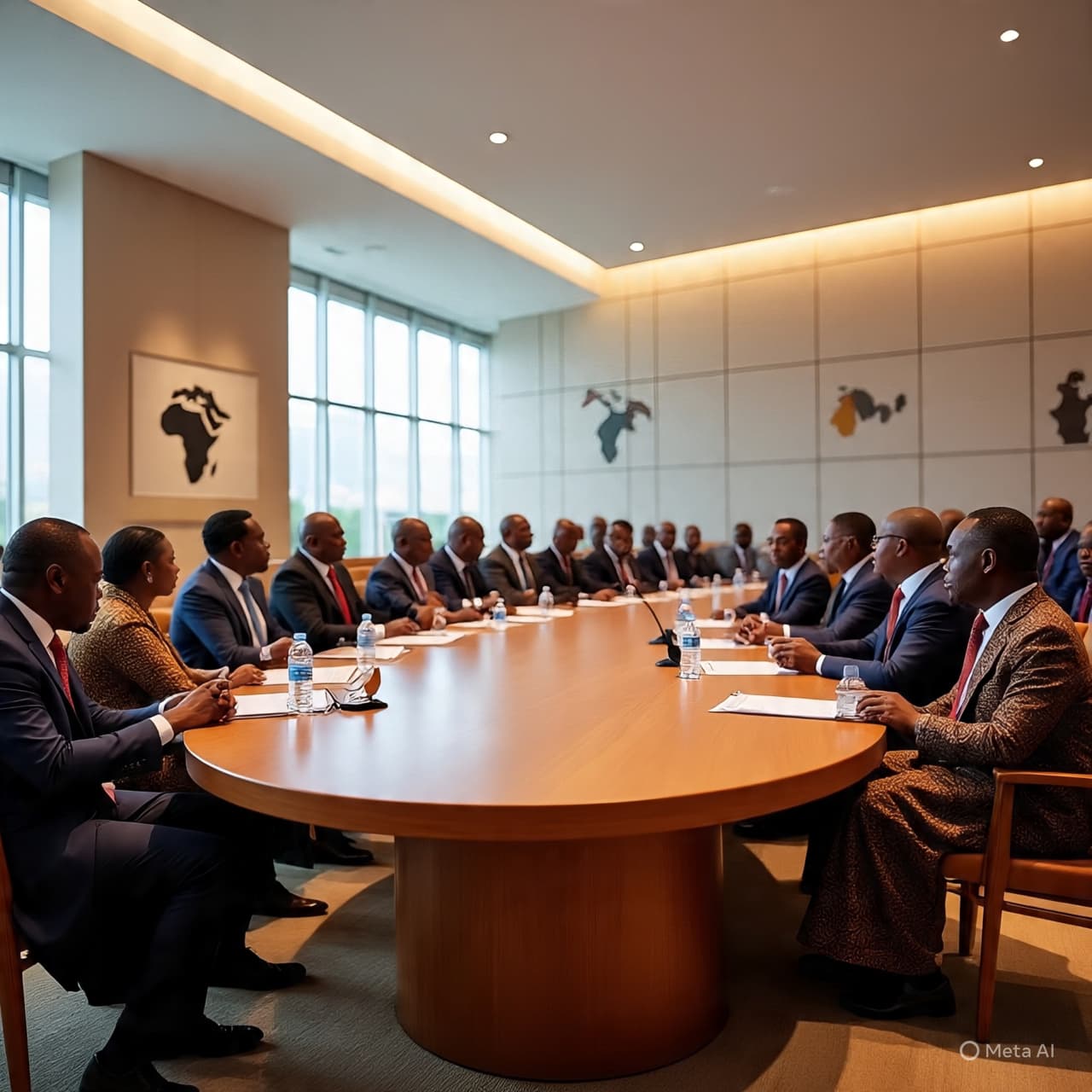
Key Highlights
- Africa's role in a multipolar world is evolving, presenting both opportunities and challenges.
- The continent is experiencing rapid economic growth and demographic changes.
- Strategic partnerships with global powers are reshaping Africa's development landscape.
In the complex tapestry of global power dynamics, Africa is increasingly asserting its presence. Historically viewed through the lens of aid and external influence, the continent is now recognized for its agency and strategic importance in a multipolar world. With a population exceeding 1.4 billion and some of the fastest-growing economies, Africa stands at a pivotal moment, where its choices can significantly impact global affairs.
The shift towards a multipolar world order, characterized by shared influence among major powers like the United States, China, and the European Union, has opened new avenues for African nations. This environment allows for diversified partnerships, enabling countries to negotiate investments and development strategies that align with their national interests rather than being beholden to a single power. The emergence of China as a key player in Africa's infrastructure development exemplifies this trend. Over the past two decades, Chinese investments have transformed the continent's landscape, with roads, railways, and digital networks becoming symbols of a rapidly evolving partnership.
However, the growing interest from various global players, including India, Türkiye, and Gulf states, introduces both opportunities and complexities. While these partnerships can enhance economic growth, they also require careful navigation to avoid dependency. African governments must balance the benefits of foreign investments with the need for sustainable development, ensuring that projects contribute positively to local communities.
In addition to external partnerships, African institutions are increasingly taking center stage in shaping the continent's collective voice. The African Union and regional economic communities are working to enhance intra-African trade and cooperation, aiming to transform the continent into a more integrated economic space. This shift is crucial as it allows African nations to leverage their collective strength in negotiations with global powers.
Demographic trends further underscore Africa's potential role in the global arena. By mid-century, the continent is projected to account for a significant portion of the world's population growth, leading to expanded labor markets and consumer demand. This demographic shift could enhance Africa's cultural influence and economic clout on the global stage.
Technology is another critical factor reshaping Africa's trajectory. Innovations in mobile banking, digital entrepreneurship, and internet connectivity are fostering new economic sectors. Cities like Nairobi, Lagos, and Kigali are emerging as hubs of creativity and innovation, positioning Africa as a player in the global digital economy.
Despite these advancements, African policymakers face the challenge of maintaining strategic autonomy in a multipolar world. The presence of multiple partners can lead to competing interests, making it essential for African nations to prioritize their development agendas. Analysts emphasize the importance of ensuring that Africa's growth is driven by its own priorities, rather than external pressures.
In recent years, there has been a noticeable shift among African leaders towards embracing this strategic approach. Emphasizing economic diversification, regional integration, and active participation in global governance, Africa is poised to navigate the complexities of a multipolar world while asserting its agency on the global stage.
Published by Banx Network. This article is part of the Banx decentralized media programme, powered by the BXE token on the XRP Ledger.



