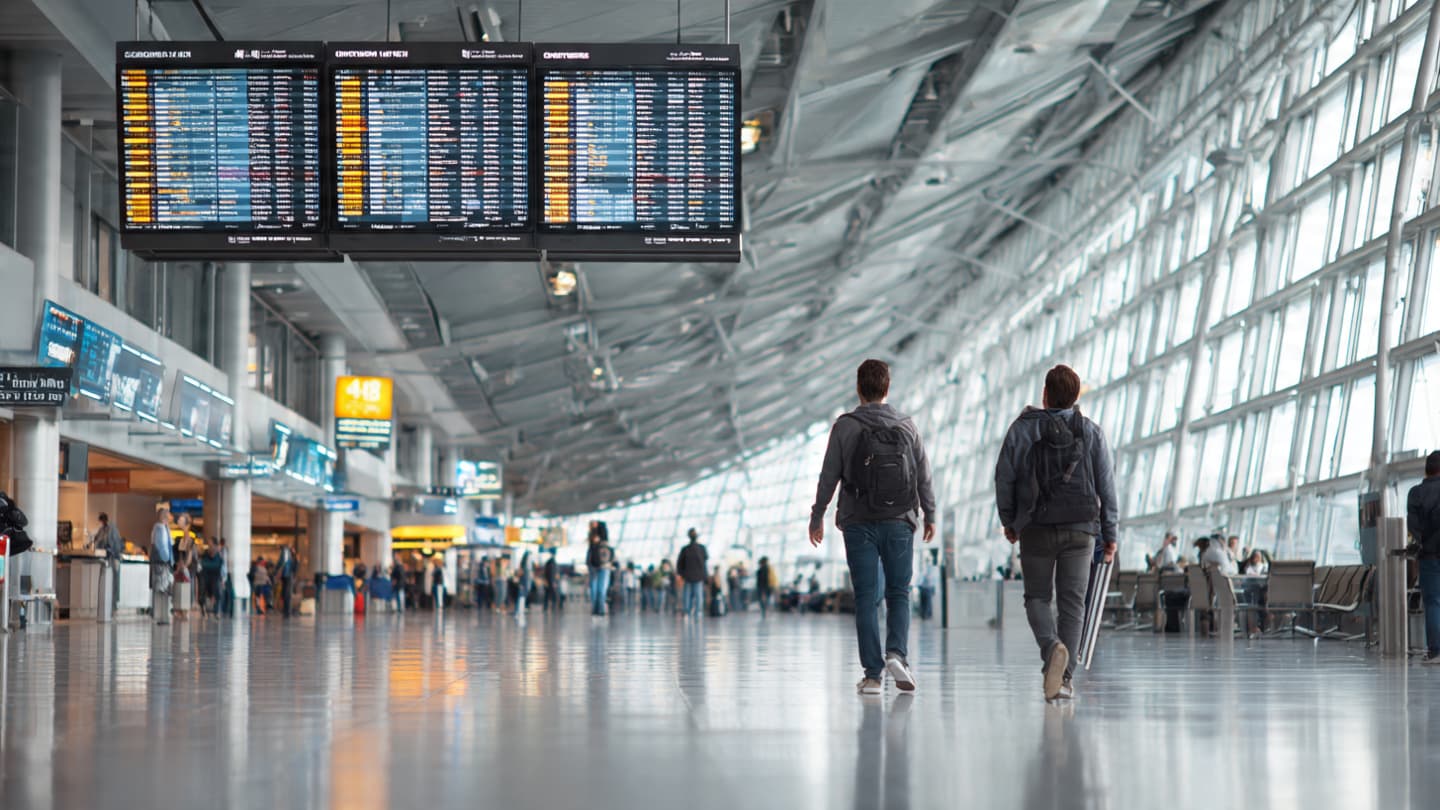
Travel often begins with a map, but it is guided by confidence. Whether crossing continents or exploring neighboring countries, travelers tend to seek destinations that offer both opportunity and peace of mind. Recent developments in the Middle East have prompted many tourists to reassess those plans, highlighting the close relationship between geopolitics and global tourism.
Travel agencies and industry analysts report that some travelers have modified or postponed vacation plans due to concerns linked to regional tensions. While many destinations remain open and operational, uncertainty has influenced decision-making among international visitors.
Tourism is highly sensitive to perceptions of stability. Even when disruptions occur far from popular destinations, news coverage and geopolitical developments can affect traveler confidence and booking patterns.
Airlines, tour operators, and hospitality businesses have responded by offering greater flexibility. Many companies now provide revised cancellation policies, alternative routes, or itinerary adjustments designed to accommodate changing circumstances.
Industry experts note that travelers increasingly rely on real-time information when planning international trips. Government travel advisories, airline announcements, and security updates have become important tools for assessing potential risks.
Economic implications may extend beyond tourism alone. Visitor spending supports hotels, restaurants, transportation providers, and countless local businesses in destinations around the world. Shifts in travel patterns can therefore influence regional economies.
At the same time, many travelers continue moving forward with planned journeys. Tourism professionals emphasize that conditions vary widely across countries and that travelers should evaluate destinations individually rather than relying solely on broader regional perceptions.
The situation also highlights the resilience of the global travel sector. Following previous disruptions caused by health crises, natural disasters, and geopolitical events, the industry has repeatedly adapted through flexible policies and enhanced communication.
As travelers continue reviewing plans, the tourism industry remains focused on providing accurate information and maintaining confidence. The evolving situation demonstrates how closely connected global events have become to everyday decisions made by individuals around the world.
AI Image Disclaimer: The illustrations used in this article are AI-generated and created solely for visual storytelling purposes.
Sources: Reuters, Associated Press, International Air Transport Association (IATA), UN Tourism
Published by Banx Network. This article is part of the Banx decentralized media programme, powered by the BXE token on the XRP Ledger.
.jpg&w=3840&q=75 "Blake Lively Awarded $400,000 in Legal Fees After Justin Baldoni Lawsuit Dismissed")