

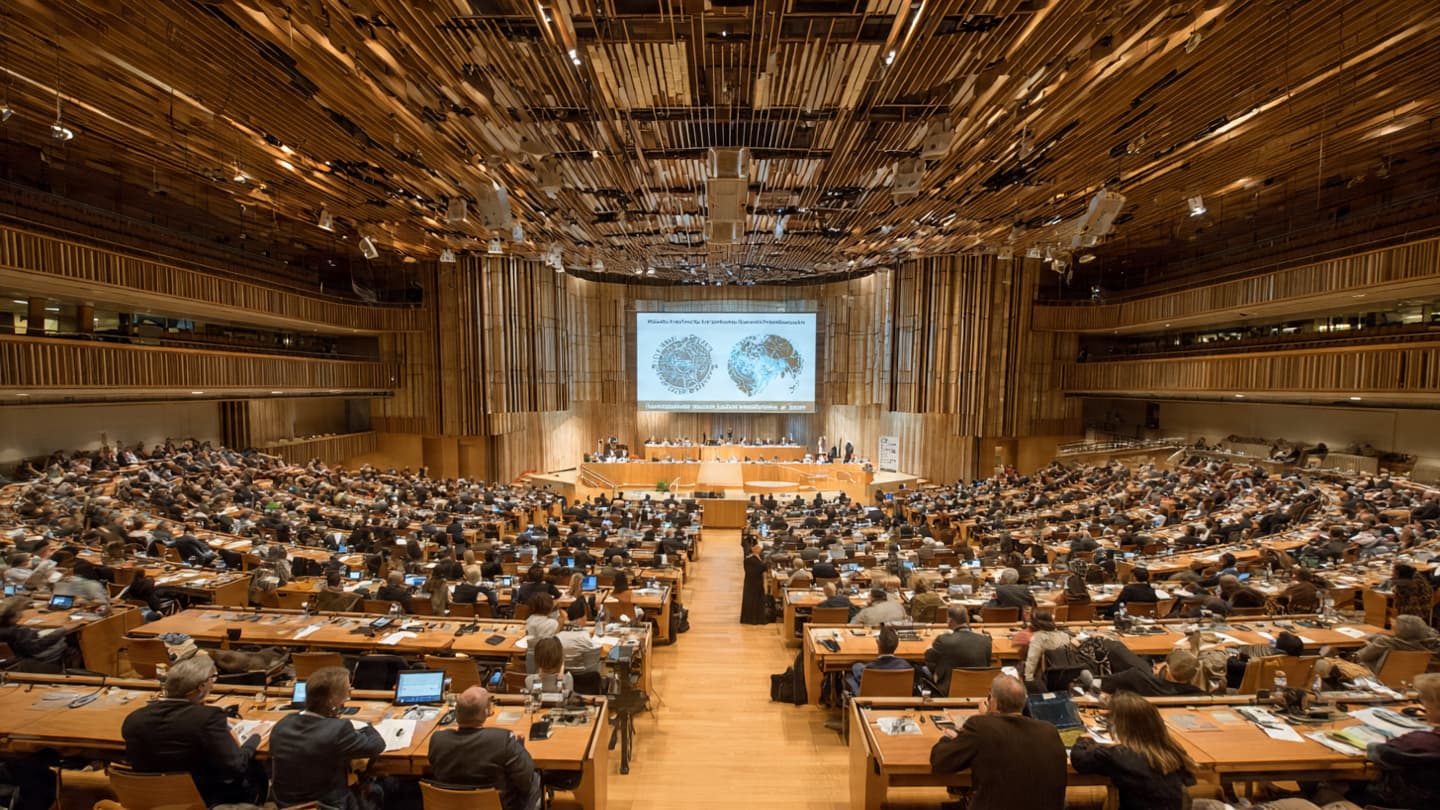
Key Highlights
- Global Health Assembly 2026:Nations unite to address health challenges.
- Focus Areas:Pandemic preparedness, vaccine equity, and health systems.
- Collaborative Efforts:Emphasis on international surveillance and healthcare infrastructure.
The World Health Assembly 2026 is set to be a pivotal event in the ongoing dialogue about global health, where countries come together not as competitors but as partners in addressing shared health challenges. This assembly, organized by the World Health Organization (WHO), will focus on critical issues such as pandemic preparedness, equitable vaccine distribution, and the strengthening of health systems in vulnerable regions.
In recent years, the world has experienced firsthand how swiftly health crises can transcend borders. The COVID-19 pandemic has underscored the necessity for nations to cooperate more closely, leading to a renewed emphasis on early detection and coordinated response systems. The discussions at the assembly will reflect this urgency, as delegates seek to establish frameworks that can effectively manage future health emergencies.
A significant topic on the agenda is the enhancement of international surveillance networks. These systems are designed to identify emerging health threats before they escalate into widespread outbreaks. By improving data sharing and communication among countries, the assembly aims to create a more proactive approach to global health security.
Access to essential medicines and vaccines remains a pressing concern, particularly for developing regions. Despite rapid advancements in medical innovation, disparities in distribution persist, leaving many populations vulnerable. The assembly will address these inequities, advocating for policies that ensure all nations have access to life-saving treatments and vaccines.
Investment in healthcare infrastructure is another critical focus. Delegates will discuss strategies to bolster healthcare systems, especially in rural and underserved areas. The goal is not only to provide immediate treatment but also to build long-term resilience against future health emergencies. This approach recognizes that sustainable health systems are vital for maintaining global health security.
The tone of the assembly is expected to be collaborative, reflecting a shared understanding that global health security relies on mutual trust and sustained cooperation. As discussions progress, the World Health Assembly serves as a reminder that health is not merely a national priority but a collective commitment that requires ongoing dialogue and coordination among nations.
As the assembly unfolds, the world will be watching closely to see how these discussions translate into actionable strategies that can improve health outcomes globally. The emphasis on collaboration and shared responsibility is a hopeful sign that nations are beginning to recognize the interconnectedness of health in an increasingly globalized world.
Published by Banx Network. This article is part of the Banx decentralized media programme, powered by the BXE token on the XRP Ledger.




