
Key Highlights
- U.S. Proposal: The United States has proposed a resolution at the UN to enhance security in the Strait of Hormuz.
- Iranian Response:Iran perceives the proposal as political pressure, opposing foreign intervention in the Gulf.
- Global Impact:The Strait of Hormuz is crucial for global oil shipments, with tensions potentially affecting international markets.
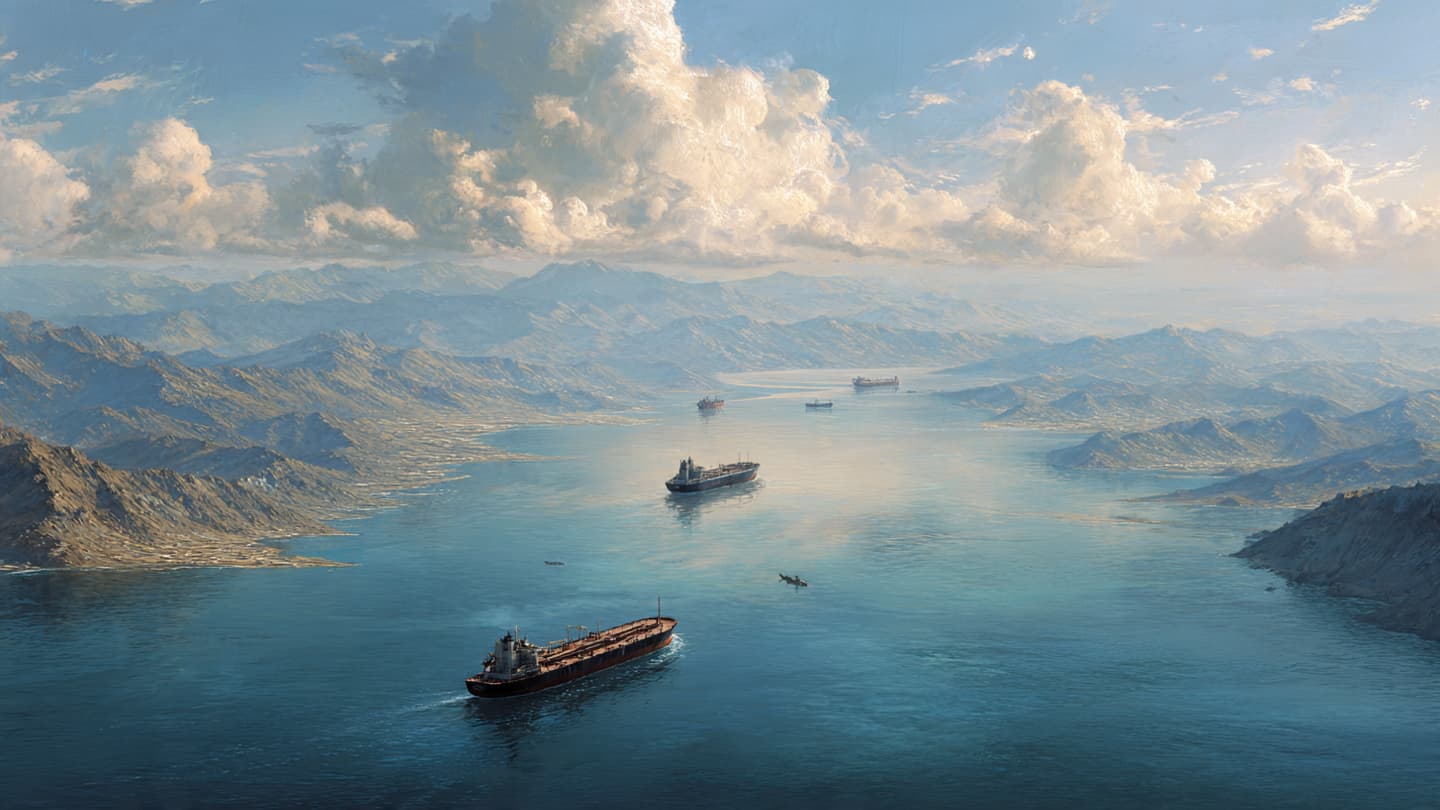
The Strait of Hormuz has long been recognized as a vital maritime corridor, facilitating the passage of energy shipments that are essential to the global economy. This narrow waterway, which connects the Persian Gulf to the Arabian Sea, has become a focal point for geopolitical tensions, particularly as the United States has recently put forth a proposal at the United Nations aimed at bolstering the security of this critical route.
The U.S. resolution seeks to enhance the protection of international shipping lanes in the Strait of Hormuz, a move that has sparked immediate backlash from Iran. Iranian officials have condemned the proposal, arguing that it represents an attempt by the U.S. to exert political pressure and increase foreign intervention in the Gulf region. They assert that the security of the Strait should be managed by regional nations without the influence of external powers.
The strategic significance of the Strait of Hormuz cannot be overstated; it is the primary transit route for oil exports from Gulf countries, with a substantial portion of the world's energy supply passing through its waters. Consequently, any escalation of tensions in this area has the potential to disrupt global oil markets and impact prices worldwide. Analysts and policymakers are closely monitoring the situation, aware that even minor incidents could lead to significant economic repercussions.
The U.S. has maintained a robust military presence in the Gulf, citing the need to protect freedom of navigation and ensure the safety of energy trade routes. However, this military presence is viewed by Iran as a source of instability, further complicating the already fraught relationship between the two nations. The Iranian government has consistently expressed its opposition to foreign military forces operating in its vicinity, arguing that such actions threaten regional sovereignty.
As the situation unfolds, several European and Asian nations are expressing concern over the potential ramifications of heightened tensions in the Strait of Hormuz. Governments are particularly worried about the implications for global oil prices and the risk of disruptions to international supply chains. The interconnectedness of the global economy means that instability in one region can have far-reaching effects, prompting calls for diplomatic solutions to the ongoing crisis.
In the UN diplomatic arena, discussions surrounding maritime security often progress at a slow pace, characterized by lengthy negotiations and differing national interests. Major powers have varying perspectives on how to maintain stability in the region and who should be entrusted with the responsibility of ensuring security. For Gulf nations, the Strait of Hormuz is not merely a trade route; it symbolizes the balance of power in the region, making any international proposals regarding its security a sensitive issue.
Currently, the U.S. resolution proposal remains in the discussion phase within the UN, with Iran continuing to voice its opposition to any measures perceived as increasing geopolitical pressure. As the international community grapples with these complex dynamics, the future of the Strait of Hormuz and its role in global energy security hangs in the balance.
Published by Banx Network. This article is part of the Banx decentralized media programme, powered by the BXE token on the XRP Ledger.



