

Key Highlights
- Event:A 23-story hotel in Miami was demolished in a controlled implosion.
- Duration:The demolition lasted less than 20 seconds.
- Safety Measures:Surrounding areas were cleared for public safety during the event.
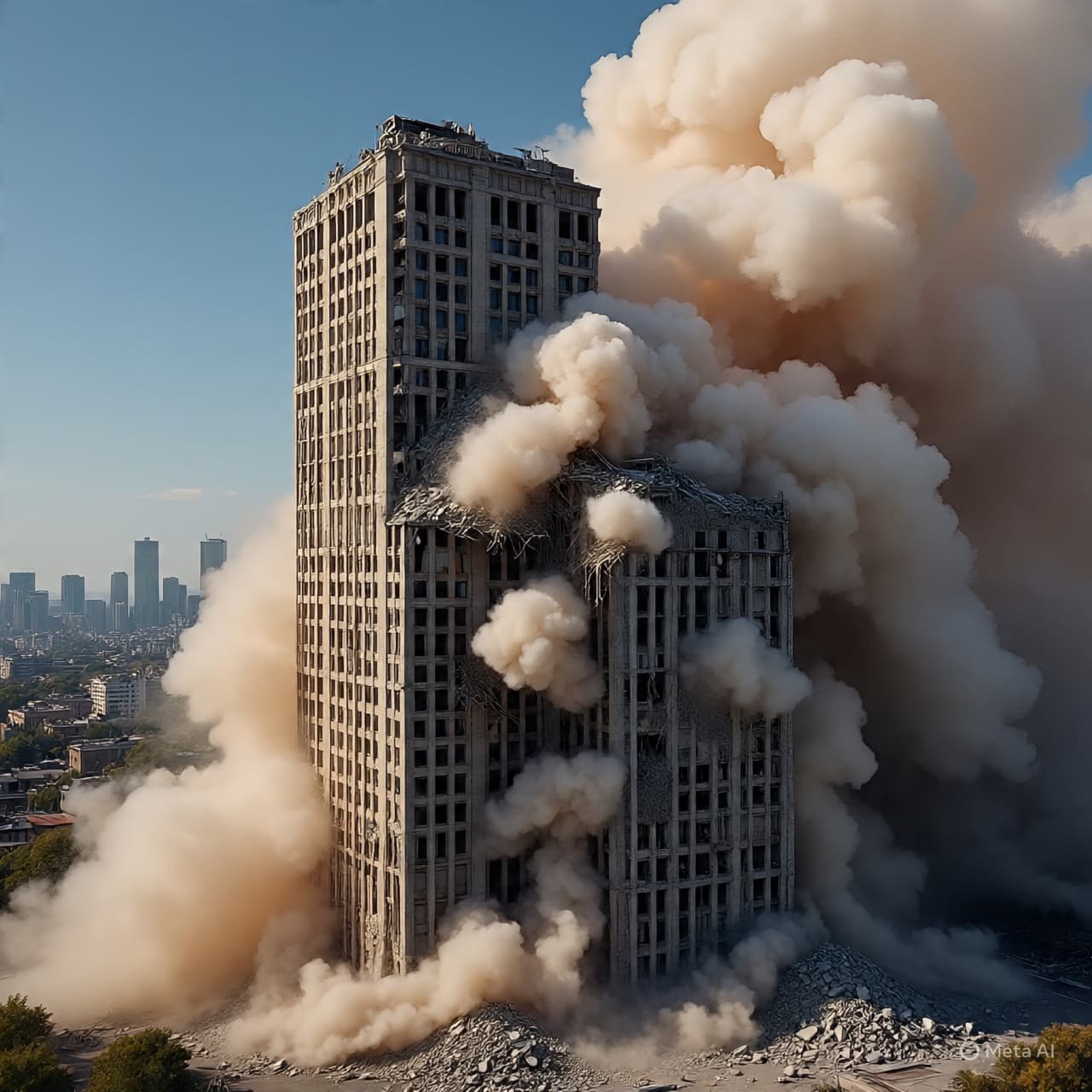
In the heart of Miami, a significant transformation took place as a 23-story hotel was brought down in a controlled implosion that lasted less than 20 seconds. This event not only marked the end of the hotel's lifecycle but also signaled the beginning of a new phase for the site it once occupied. The demolition was meticulously planned and executed by a team of engineering professionals, showcasing the precision required in such operations.
The implosion occurred under carefully monitored conditions, with explosives strategically placed within the building's framework. This design aimed to ensure that the structure would collapse inward, minimizing the impact on surrounding areas. As the countdown concluded, the hotel folded into itself, creating a dramatic plume of dust that briefly obscured the scene, leaving onlookers in awe.
Prior to the demolition, officials took extensive precautions to ensure public safety. Roads surrounding the hotel were temporarily closed, and nearby residents were advised to remain indoors during the event. Such measures are standard in large-scale demolitions, where the safety of the public and nearby infrastructure is paramount. The careful planning and execution of the implosion highlight the importance of precision in urban development.
Once a symbol of luxury and exclusivity, the hotel had become part of Miami's evolving urban landscape. Over the years, changing economic conditions and development plans led to the decision to remove the structure. This demolition was not a sudden choice but rather the culmination of long-term planning and strategic decision-making by city officials and developers.
Observers gathered at designated viewing points to witness the implosion, experiencing both a technical spectacle and a poignant moment of change. For many, watching the familiar structure disappear almost instantly served as a reminder of the transient nature of urban environments. The contrast between the hotel's years of presence and its rapid removal emphasized how cities continuously evolve.
Engineers involved in the project noted that demolitions of this scale require extensive preparation, including thorough structural analysis and environmental considerations. The goal is to ensure that the building collapses safely within its footprint, thereby reducing risks to nearby infrastructure and ensuring a smooth transition for future developments.
In the aftermath of the implosion, cleanup operations began promptly. Crews moved in to manage debris and prepare the site for its next phase of development. While the skyline may adjust quickly, the transformation on the ground will continue over the coming weeks and months, as new plans take shape.
Moments like these serve as a quiet reminder that cities are never static. They shift, rebuild, and redefine themselves, often in ways that are both sudden and carefully orchestrated. As Miami continues to evolve, the space once occupied by the hotel will likely take on a new identity, marking the closing of one chapter and the opening of another in the city's ongoing narrative.
Published by Banx Network. This article is part of the Banx decentralized media programme, powered by the BXE token on the XRP Ledger.




