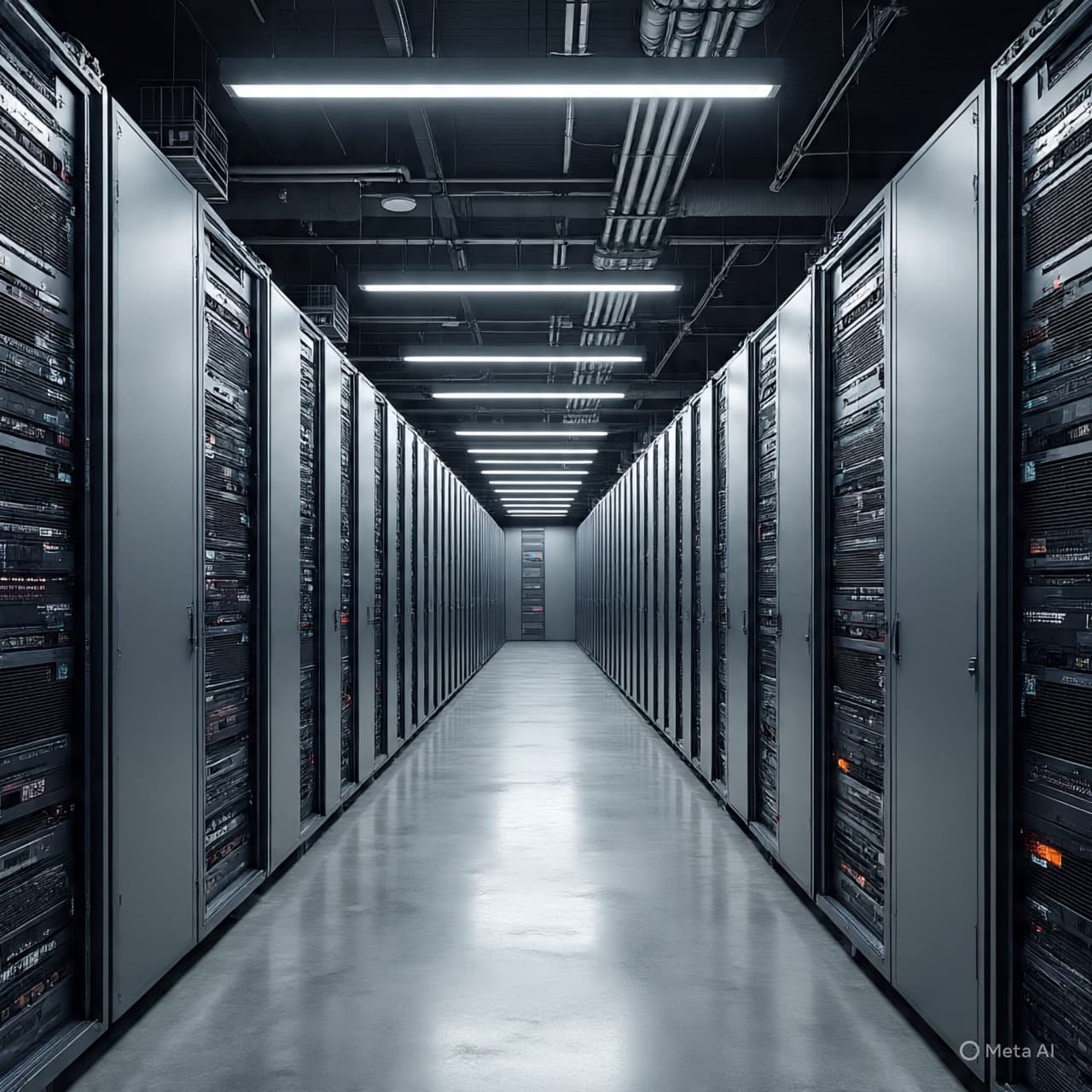
There are movements in the world of technology that feel less like routine shifts and more like the slow, relentless current reshaping a riverbed. In recent months, four of the world’s largest technology companies have cast their lot in what some observers are calling a new kind of industrial age — a Gilded Age for the digital era. Like enterprising explorers amassing ships, rails, and steam engines before them, these firms are committing extraordinary sums to build the infrastructure that will carry artificial intelligence into the decades ahead. It’s a moment of deep investment and wide ambition, with figures so vast they seem at first unreal.
At the heart of this unfolding narrative lies an estimated $600 billion to $650 billion that major players like Amazon, Alphabet (Google), Meta, and Microsoft plan to spend on AI-related infrastructure in 2026 — from sprawling data centers and cutting-edge chips to cloud capacity and other computing resources that power next-generation AI tools. This is not a dabble in experimental technologies; it is a concerted effort to forge the digital foundations of tomorrow.
Amazon has emerged as a leading figure in this chapter, planning roughly $200 billion in capital expenditures for the year, with much of that tied directly to expanding AWS and related AI capabilities. Google’s owner Alphabet isn’t far behind, indicating another large leap in capital outlays, especially for its cloud and Gemini AI services. Meta, long focused on social and immersive experiences, sees its ambitions reflected in a planned nine-figure spend, while Microsoft’s investments, tied in part to its Azure AI and OpenAI partnership, also form an essential part of the collective push.
The choice of the “Gilded Age” metaphor by some analysts and columnists is not accidental. Just as the late 19th century was defined by the railroad barons and industrial magnates of steel and oil, today’s tech giants are the captains of an emergent infrastructure — one not of iron and coal, but of silicon, chips, and terabytes of data flowing through vast server farms. There is a poetic symmetry between the eras: both are marked by concentrated capital, rapid technological progress, and an undercurrent of uncertainty about who wins and who might be left behind.
Yet beneath the surface of nearly historic outlays lie questions both practical and philosophical. Wall Street’s reaction has been a mixture of awe and caution — stock responses that swing between enthusiasm for long-term growth and hesitation over near-term returns. For all the promise that AI offers, the sheer scale of spending has puzzled some investors who ask whether the returns will match the magnitude of the investments being made.
This vast financial choreography has tangible ripple effects beyond corporate boardrooms. Specialized chip makers and hardware suppliers are seeing surging demand, while the broader economy feels related pressures such as component shortages and labor shifts toward data center construction. At the same time, smaller companies and startups can find themselves both boosted and crowded out as capital pools towards a few dominant ecosystems.
Still, for many inside these companies, the narrative is straightforward: build the capacity today to power the AI-enabled services of tomorrow. It is a wager on an idea that has captured the world’s imagination — that artificial intelligence will remake industries from healthcare to logistics, creativity to cybersecurity. Whether this massive undertaking will deliver returns commensurate with its scale is a story still being written.
In financial terms, the scale of this investment rivals the capital commitments of entire sectors from energy to traditional manufacturing. What was once a peripheral line item in annual reports now dominates them, a sign of how AI has shifted from a future concept to present priority across corporate strategy. Analysts will be watching earnings, infrastructure build-outs, and emerging revenue streams closely, listening for signals that the long-awaited payoff is beginning to arrive.
AI Image Disclaimer
“Illustrations were produced with AI and serve as conceptual depictions.”
Sources
• Business Insider
• Reuters
• The Washington Post
• The Times of India
• The Guardian
Published by Banx Network. This article is part of the Banx decentralized media programme, powered by the BXE token on the XRP Ledger.