Policy decisions can sometimes feel like stones dropped into still water. The initial splash is brief, almost understated. But the ripples, widening and overlapping, can travel far beyond the point of impact. In Ethiopia, a government move to restrict gasoline car imports has begun to trace such ripples—quiet at first, then unmistakable.
When authorities announced a ban on the import of gasoline-powered vehicles, the measure was framed within broader economic and environmental considerations. Foreign currency shortages had placed sustained pressure on Ethiopia’s balance of payments. Fuel imports consumed valuable reserves. At the same time, urban air quality and long-term sustainability were rising in prominence within policy discussions.
The restriction, which effectively halted the entry of new gasoline cars, altered the landscape of choice for consumers and dealers alike. In that altered space, electric vehicles—once peripheral and niche—found unexpected room to grow.
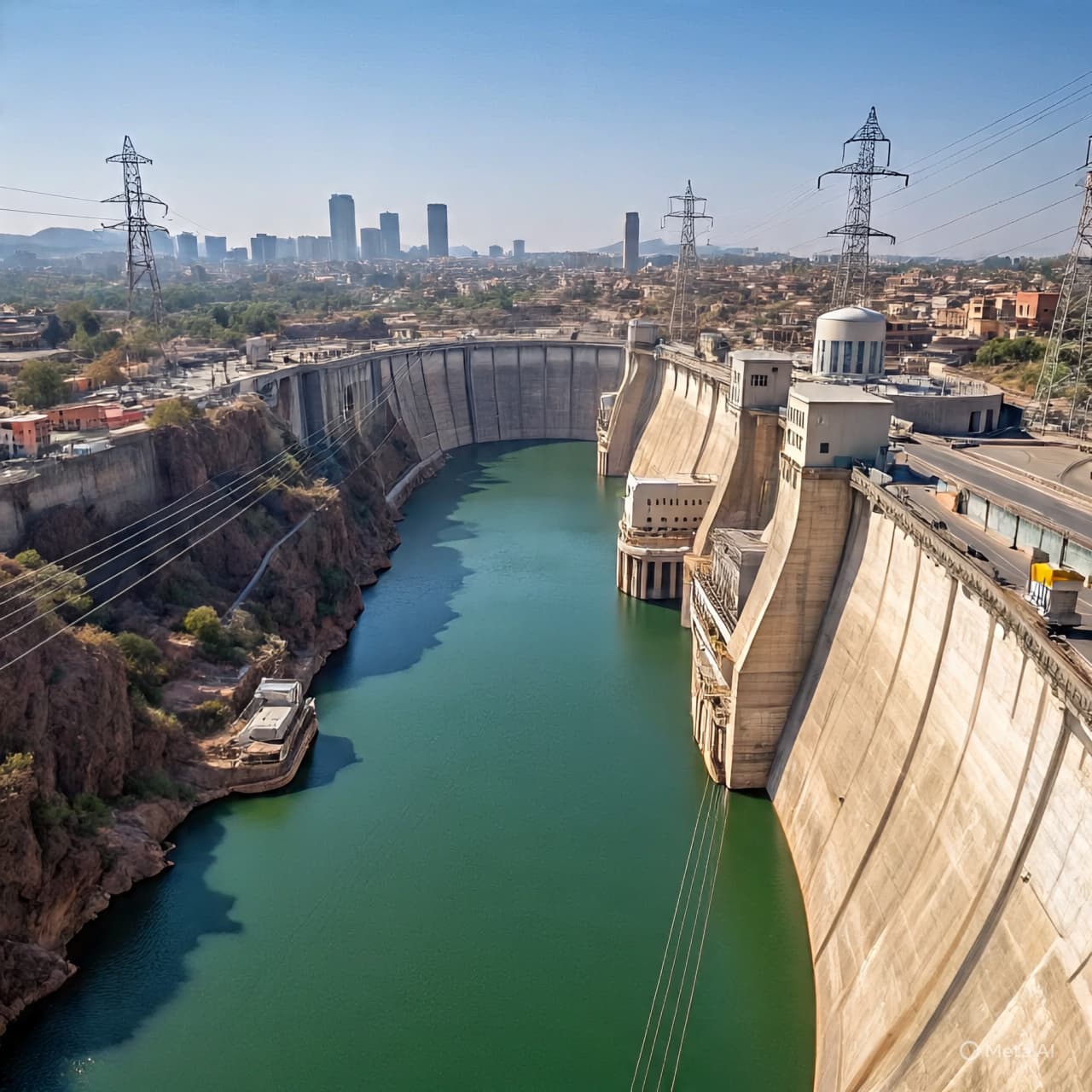
Ethiopia’s embrace of electric mobility did not emerge in isolation. The country generates a large share of its electricity from hydropower, including projects such as the . Abundant renewable electricity, in theory, provides a favorable foundation for electrified transport. By shifting vehicles from imported fuel to domestically generated power, policymakers appear to be aligning transportation strategy with energy capacity.
The ban on gasoline imports accelerated that alignment. Car dealerships, facing constraints on conventional inventory, began sourcing electric models—many imported from China. Urban drivers, initially cautious, encountered new incentives: lower operating costs, reduced exposure to volatile fuel prices, and potential policy support.
Addis Ababa’s streets have gradually reflected this shift. Charging stations, though still limited in number, are expanding. Private investors and state-backed utilities have begun exploring infrastructure upgrades to accommodate rising EV demand. Ride-hailing drivers, taxi operators, and middle-income households have entered the market, drawn by the long-term savings associated with electricity over gasoline.
There are, however, layers of complexity beneath the surface. Electric vehicles remain sensitive to upfront pricing, battery longevity, and charging accessibility. Grid capacity must evolve to meet increased load, particularly in densely populated neighborhoods. Policymakers must balance enthusiasm with infrastructure planning to prevent bottlenecks from replacing fuel queues.
Economically, the EV surge offers a form of import substitution. Reduced gasoline demand may ease foreign currency outflows, while electricity consumption leverages domestic generation. For a country managing external financing pressures, this shift carries fiscal implications beyond environmental rhetoric.
The automotive ecosystem itself is adapting. Mechanics are retraining to handle electric drivetrains. Entrepreneurs are entering the battery servicing and charging station markets. Regulatory agencies are refining standards for safety and vehicle certification. Each adjustment signals a broader recalibration of Ethiopia’s mobility framework.
Across Africa, electric mobility adoption has often been gradual and market-driven. Ethiopia’s case stands out for the policy catalyst at its core. By restricting one category of imports, authorities effectively redirected consumer behavior toward another.
The long-term trajectory remains to be seen. Questions of affordability, infrastructure resilience, and rural accessibility will shape the sustainability of the EV boom. Yet the immediate effect is clear: what began as a currency-management and environmental measure has contributed to a notable surge in electric vehicle uptake.
Ethiopian officials continue to outline strategies supporting electric mobility, including infrastructure expansion and regulatory refinement. The gasoline import ban remains in place, and market observers report sustained growth in EV imports and sales as the country adjusts to its evolving transportation landscape.
AI IMAGE DISCLAIMER Visuals are created with AI tools and are not real photographs.
SOURCE CHECK
Credible media coverage found from: Reuters Bloomberg BBC News Financial Times The EastAfrican
Published by Banx Network. This article is part of the Banx decentralized media programme, powered by the BXE token on the XRP Ledger.