
Key Highlights
- Monsoon rains have led to significant structural failures in local communities.
- Rescue operations are underway, focusing on recovery and support for affected families.
- State officials emphasize the need for stricter safety regulations in construction.
The monsoon season has a profound impact on the landscape, transforming the environment with its relentless rains. This year, the downpours have been particularly severe, leading to structural failures that have left communities grappling with loss and uncertainty. The atmosphere is thick with humidity, and the ground, saturated beyond capacity, has become a silent adversary to the very buildings meant to provide shelter and safety.
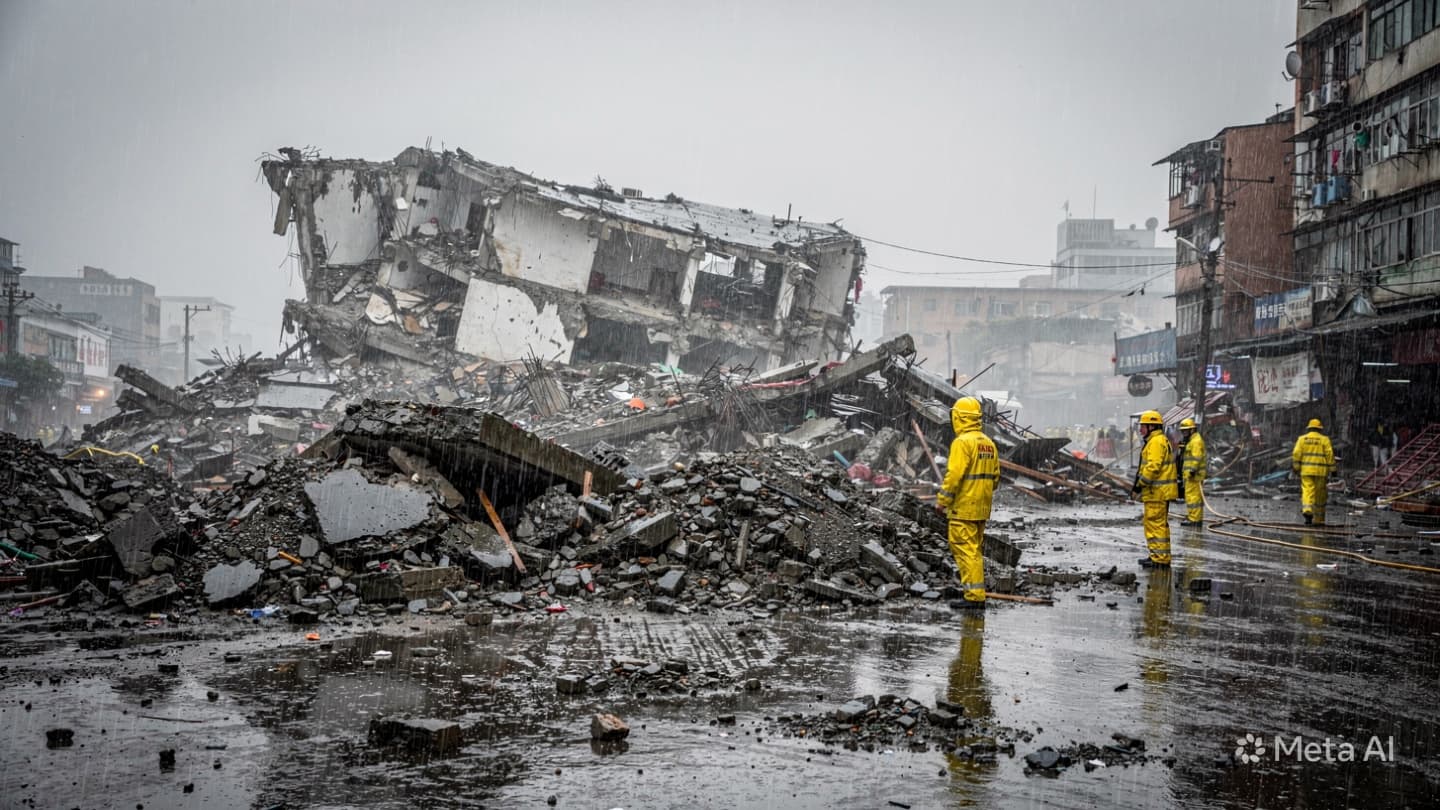
In the wake of these collapses, the emotional toll is palpable. Families are left to sift through the remnants of their lives, confronting the stark reality that their homes, once symbols of stability, have succumbed to nature's fury. The images of destruction—broken walls, scattered belongings, and the chaos of rescue operations—serve as a stark reminder of the fragility of human constructs against the forces of nature.
Rescue teams have mobilized swiftly, working tirelessly to recover those trapped beneath the rubble. Their efforts are marked by a sense of urgency and determination, as each moment counts in the race against time. The community rallies around these efforts, providing support and solidarity to those affected. Local authorities have reported that the structural failures were exacerbated by the prolonged rainfall, which rendered the soil unable to support the weight of aging buildings.
As the situation unfolds, state officials are assessing the damage and discussing the implications for future construction practices. There is a growing consensus on the need for stricter enforcement of building codes to prevent such tragedies from recurring. The conversation has shifted from immediate rescue to long-term solutions, highlighting the importance of infrastructure resilience in the face of climate change.
The emotional aftermath of the collapse is profound. Community members are not only mourning the loss of life but are also reflecting on the broader implications of such events. The discussions surrounding safety and responsibility are becoming increasingly urgent, as residents seek to understand how to better protect their homes and families in the future.
As recovery efforts continue, medical facilities are on high alert, providing care for the injured and ensuring that those displaced receive the necessary support. The local government has pledged assistance to affected families, emphasizing the importance of community resilience in overcoming such challenges. The path forward will require collaboration, reflection, and a commitment to building safer, more resilient structures that can withstand the forces of nature.
The monsoon season serves as a powerful reminder of the delicate balance between human habitation and the natural world. As communities come together to recover and rebuild, they are also faced with the challenge of rethinking their relationship with the environment, ensuring that future generations can thrive in harmony with the elements.
Published by Banx Network. This article is part of the Banx decentralized media programme, powered by the BXE token on the XRP Ledger.



