The history of Earth is often compared to an immense library whose oldest pages have faded with time, leaving scientists to reconstruct forgotten chapters from scattered clues hidden beneath mountains, oceans, and ancient rocks. Every new discovery reminds us that the planet beneath our feet has been shaped not only by slow geological change but also by sudden cosmic events. A recent study highlighted by ScienceDaily invites readers to revisit one of those distant moments, suggesting that a massive asteroid may have struck Earth roughly 800 million years ago, leaving an imprint that still echoes through geological history.
Researchers examined ancient geological evidence pointing to the possibility of a significant asteroid impact during the Neoproterozoic Era. Although much of Earth's surface has been continuously reshaped by tectonic activity, erosion, and volcanic processes, scientists believe subtle mineral signatures and rock formations can preserve evidence of extraordinary events from hundreds of millions of years ago. Those clues have encouraged researchers to reconsider how ancient impacts may have influenced the planet's development.
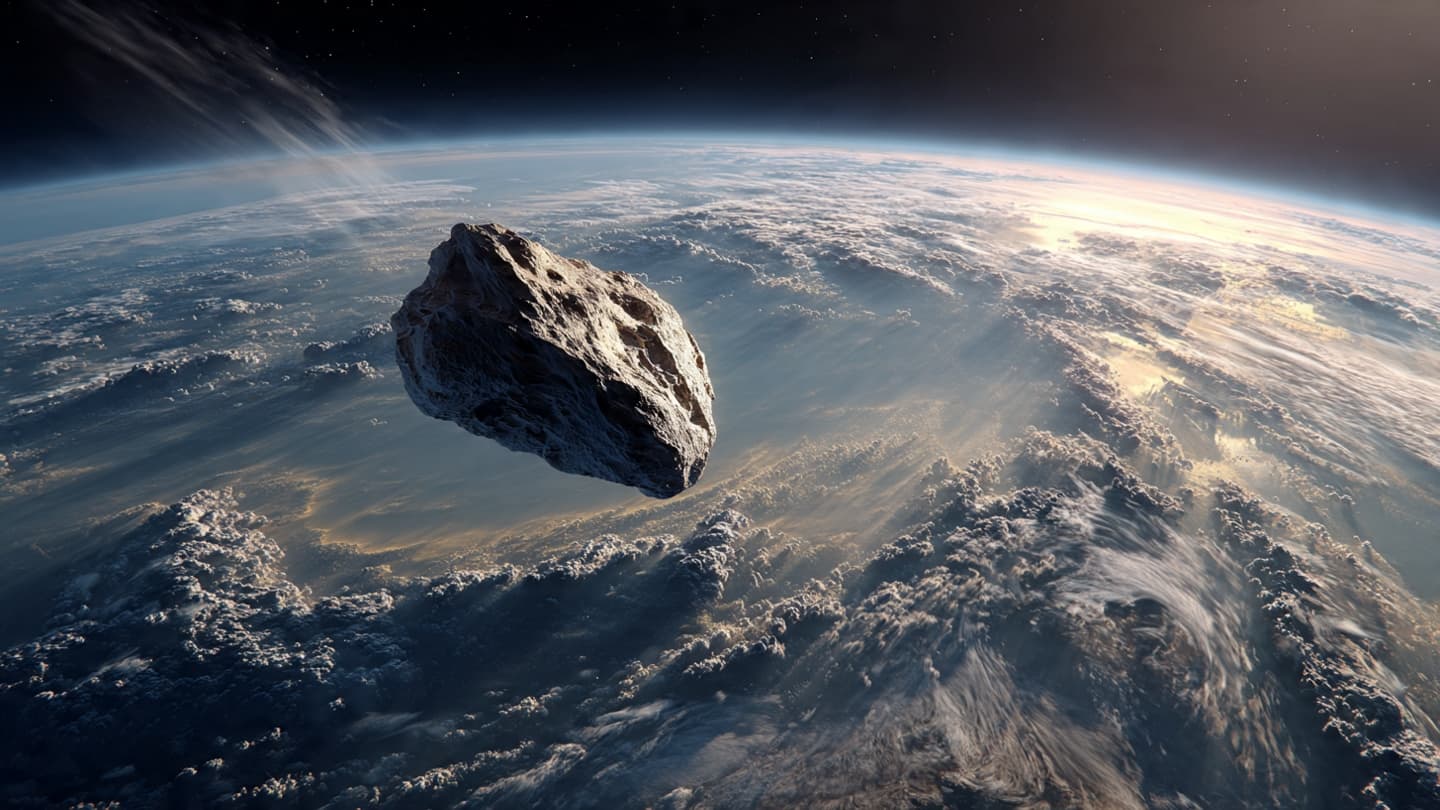
According to the study, the proposed collision may have released enormous amounts of energy, altering landscapes over a vast region. Unlike the asteroid impact associated with the extinction of the dinosaurs approximately 66 million years ago, this earlier event occurred during a period when complex animal life had not yet flourished. Instead of triggering a well-known biological extinction, its greatest influence may have been on Earth's geological systems.
Scientists suggest that an impact of this scale could have fractured portions of Earth's crust, redistributed minerals, and affected sedimentary processes. Such changes may have contributed to long-term geological transformations rather than immediate global catastrophe. Researchers emphasize that these ideas are supported by geological evidence but continue to require additional investigation before firm conclusions can be drawn.
The study also demonstrates how modern scientific techniques allow researchers to uncover stories hidden within ancient rocks. Improvements in isotope analysis, mineral dating, and geochemical mapping have enabled scientists to identify patterns that were previously impossible to detect. As analytical technology continues to advance, Earth's oldest geological records are revealing increasingly detailed insights into the planet's distant past.
Understanding ancient asteroid impacts extends beyond curiosity about history. These investigations help scientists improve models of planetary evolution, offering valuable comparisons with the geological histories of Mars, the Moon, and other rocky worlds. By learning how Earth responded to immense cosmic collisions, researchers can better understand how planetary surfaces evolve over billions of years.
The findings also illustrate the collaborative nature of modern science. Geologists, geochemists, planetary scientists, and physicists contribute different perspectives to reconstruct events that occurred long before humanity existed. While many questions remain unanswered, each new piece of evidence strengthens the broader effort to understand Earth's complex geological timeline through careful observation rather than speculation.
Researchers caution that the proposed impact hypothesis continues to be evaluated through ongoing field studies and laboratory analyses. Additional evidence from other ancient rock formations around the world will be important in determining the size, timing, and consequences of the suspected asteroid collision. As more data become available, scientists expect the picture of this ancient event to become increasingly refined.
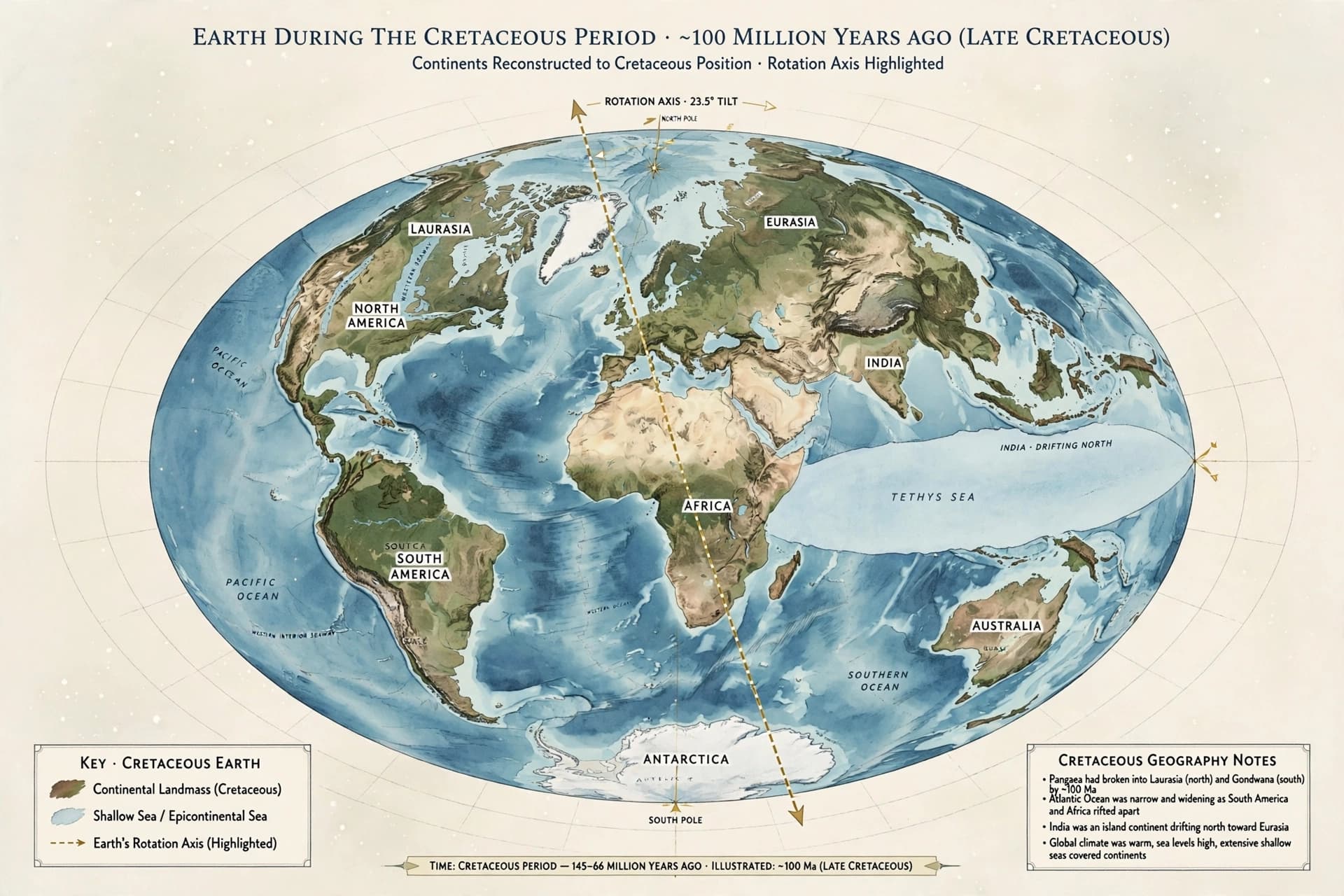
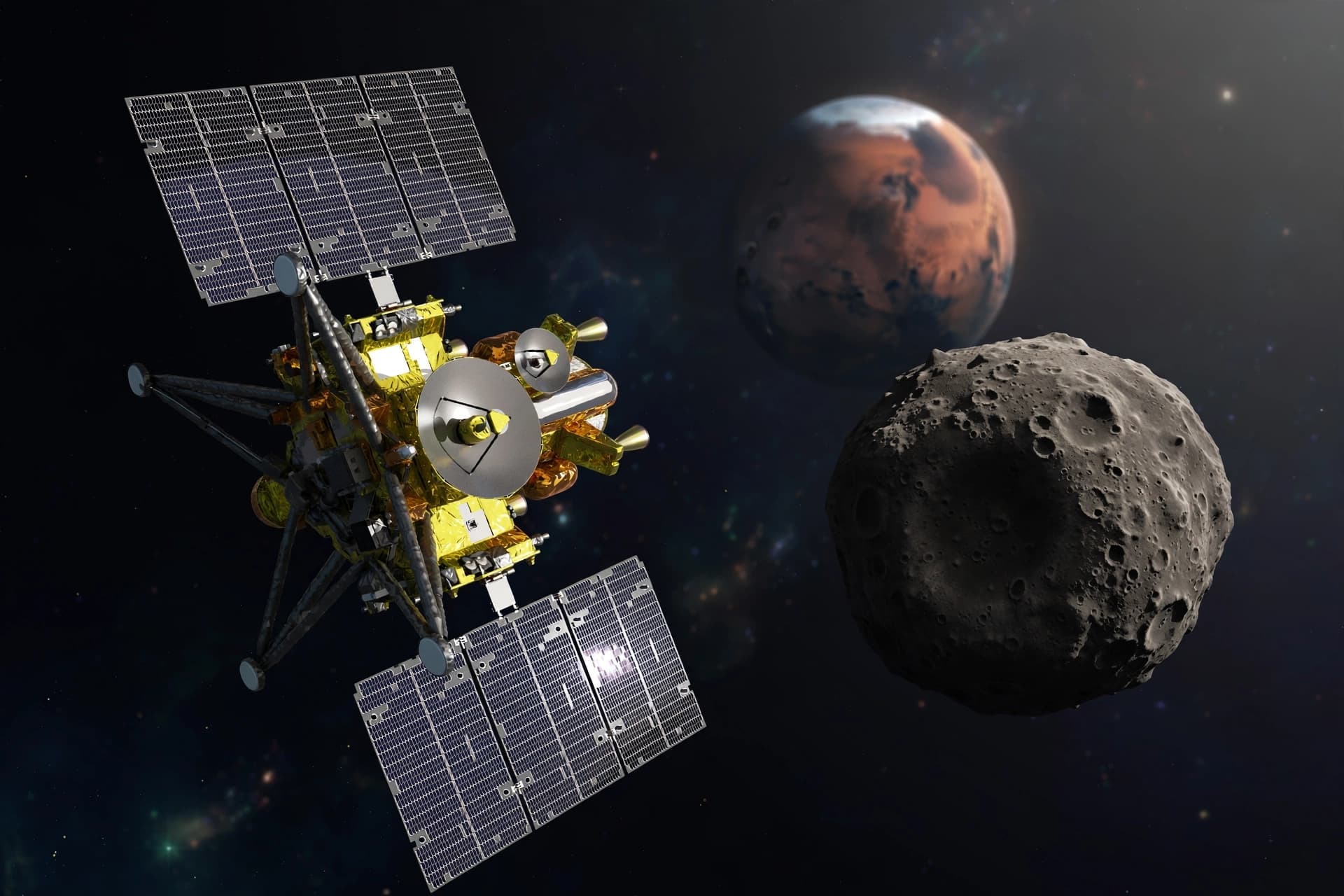
AI-Generated Image Disclaimer: The accompanying illustrations for this article are AI-generated artistic representations intended to visualize the scientific topic and should not be interpreted as actual historical or geological imagery.
Sources: ScienceDaily; Nature; Live Science; Earth.com
Published by Banx Network. This article is part of the Banx decentralized media programme, powered by the BXE token on the XRP Ledger.