
Key Highlights
- Significant wildfire near Fontainebleau forest disrupts summer tranquility.
- Hundreds of firefighters deployed to combat flames amid extreme heat.
- Authorities investigate multiple ignition points and potential causes.
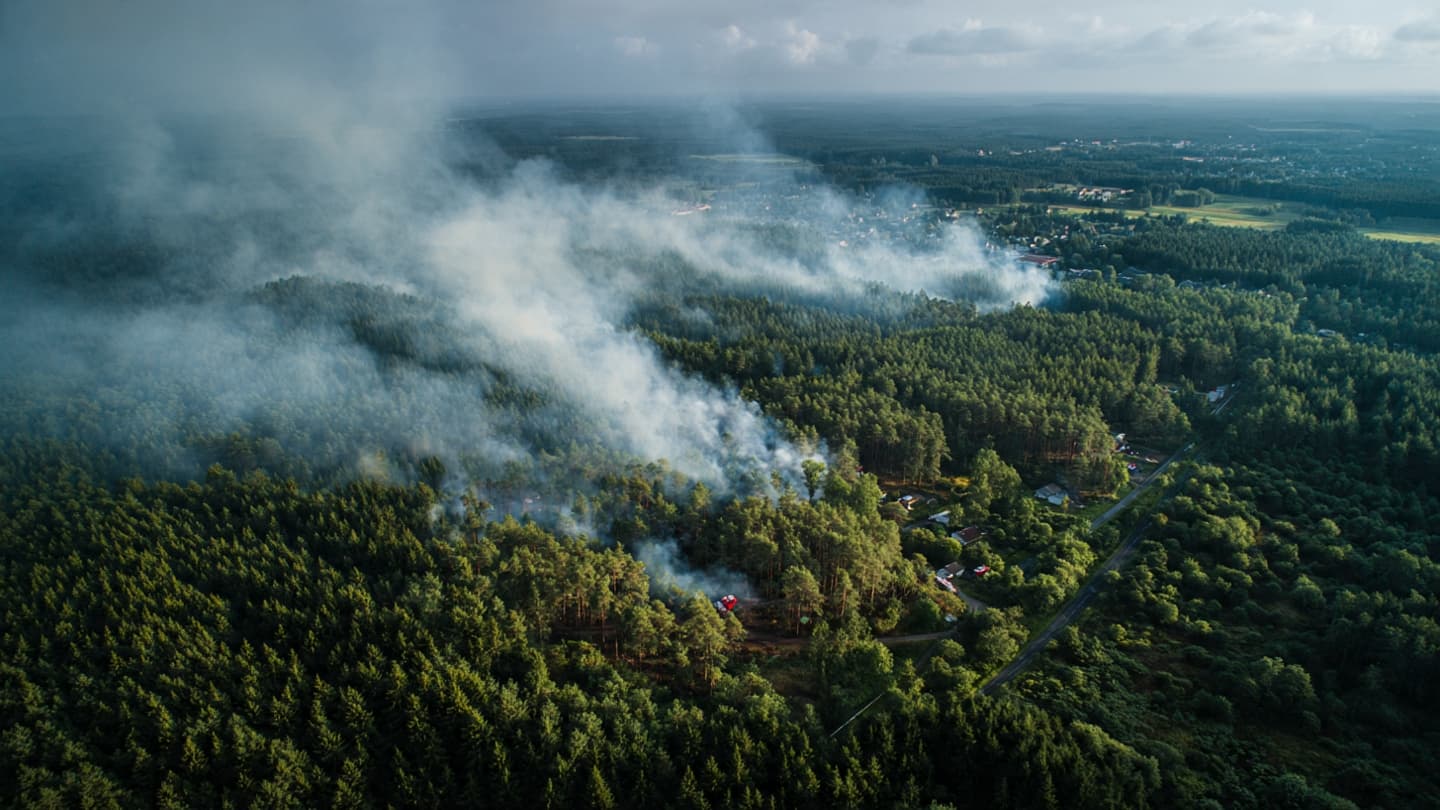
As summer settles over France, the landscape often carries the quiet rhythm of long afternoons, golden fields, and forests standing beneath a warm horizon. Yet in recent days, the familiar scenery around Fontainebleau has taken on a different character, as smoke has replaced stillness and emergency crews have moved through woodland paths shaped by fire and wind.
The wildfire that emerged near the Fontainebleau forest, southeast of Paris, became one of the country’s most significant fire events of the season. The flames spread across a region known not only for its natural beauty but also for its historical forests, creating a moment where nature, infrastructure, and communities briefly crossed paths.
Fueled by dry conditions and intense heat, the fire prompted authorities to deploy hundreds of firefighters along with water-bombing aircraft. The operation represented an unusual scene for the Greater Paris area, where aerial firefighting resources are rarely required on such a scale. The deployment of these resources underscores the severity of the situation, as firefighters worked tirelessly to contain the blaze and protect both the forest and nearby communities.
The impact reached beyond the forest itself. Roads were closed, train services experienced disruption, and residents in nearby areas were evacuated as officials worked to contain the advancing flames. For many communities, the sudden movement of emergency vehicles and the distant glow of fire transformed ordinary summer days into hours of uncertainty. The disruption highlighted the interconnectedness of urban and natural environments, as the fire threatened not only wildlife but also human lives and livelihoods.
The wildfire unfolded during a broader period of extreme heat across Europe. France experienced another intense heatwave, with temperatures climbing toward 40 degrees Celsius in several regions, increasing pressure on ecosystems, agriculture, and public services. This heatwave has been linked to climate change, which is exacerbating the frequency and intensity of such extreme weather events. As temperatures soar, the risk of wildfires becomes more pronounced, prompting urgent discussions about climate resilience and adaptation strategies.
Behind the visible flames was a larger environmental challenge. Dry vegetation, prolonged heat, and shifting weather patterns have created conditions where fires can develop more quickly and spread more unpredictably. Across Europe, authorities have increasingly focused on prevention, early detection, and strengthening emergency responses. The Fontainebleau fire serves as a stark reminder of the urgent need for comprehensive strategies to mitigate the impacts of climate change on vulnerable ecosystems.
For Fontainebleau, a forest long associated with walking trails, biodiversity, and cultural heritage, the fire represented a temporary interruption in the relationship between people and landscape. The response effort became a reminder of how closely daily life remains connected to natural systems that can change rapidly under extreme conditions. As firefighters continued containment efforts, attention turned toward recovery and preparation for future risks. France’s experience reflects a wider European conversation about adapting communities, forests, and infrastructure to increasingly challenging summer conditions.
Authorities later reported that firefighting operations were continuing while transportation services gradually returned to normal. The wildfire near Fontainebleau remains part of a broader pattern of extreme weather events affecting Europe during the summer season, prompting calls for more robust climate action and community preparedness.
Published by Banx Network. This article is part of the Banx decentralized media programme, powered by the BXE token on the XRP Ledger.



