

Key Highlights
- France and Spain experience temporary relief from wildfires due to changing weather conditions.
- Emergency services deploy extensive resources to combat ongoing fires.
- The complexity of wildfire seasons is increasing due to climate change factors.
The summer season in Europe, typically characterized by warm days and vibrant landscapes, has increasingly become synonymous with the threat of wildfires. In recent years, the delicate balance of nature has been disrupted, leading to devastating fires that threaten forests, communities, and ecosystems. As the continent grapples with these challenges, the need for effective response strategies and long-term recovery plans has never been more critical.
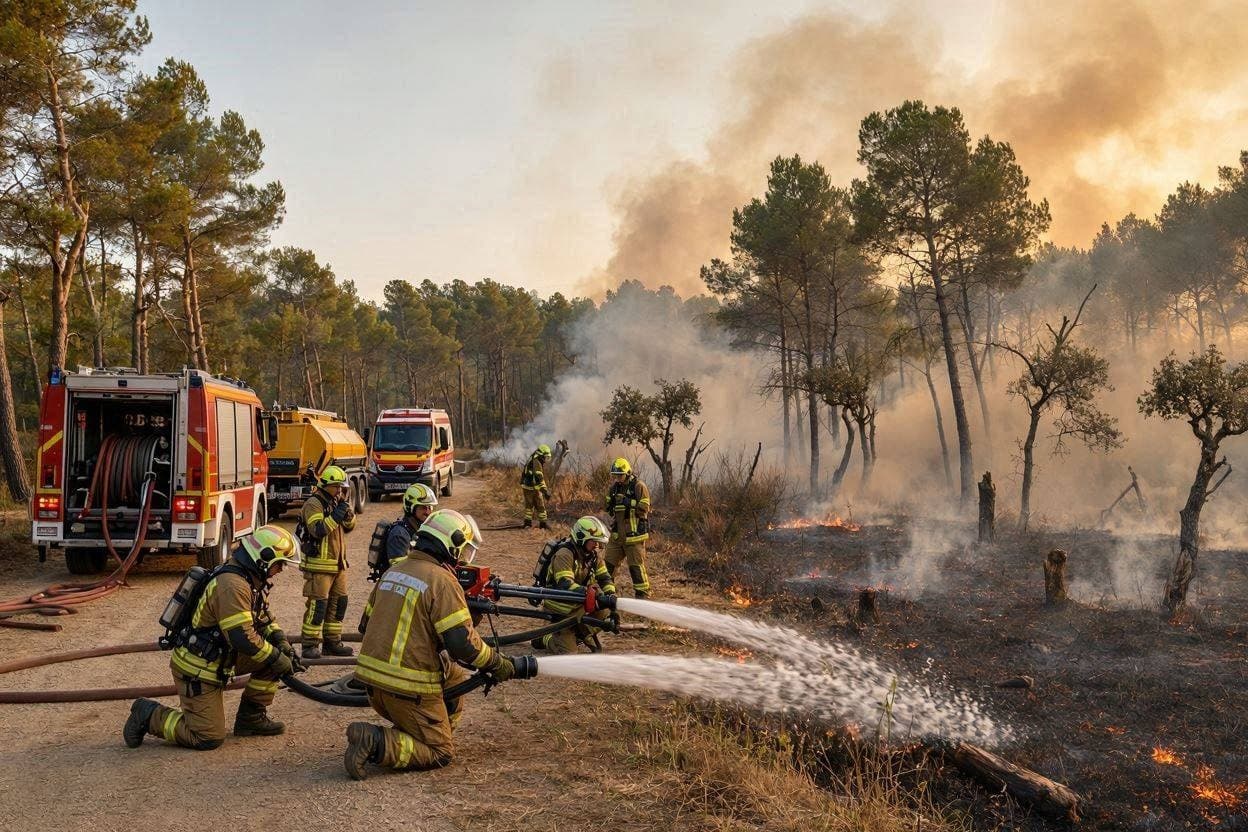
In France, firefighters have been actively engaged in battling significant wildfires that have forced evacuations and threatened local communities. Recent shifts in weather patterns, including cooler temperatures and reduced winds, have provided some relief, allowing emergency teams to strengthen containment lines and protect vulnerable areas. However, officials remain cautious, warning that the overall wildfire situation continues to pose serious challenges.
Spain, too, has faced intense wildfire activity, particularly during periods of extreme heat and drought. Emergency services have mobilized aircraft, ground crews, and support teams to combat the flames and safeguard residents. The coordinated efforts of local authorities and emergency responders are crucial in minimizing damage and ensuring the safety of affected populations.
The increasing complexity of wildfire seasons across Europe can be attributed to a combination of factors linked to climate change. Rising temperatures, prolonged dry spells, and shifting weather patterns have made landscapes more susceptible to wildfires. As vegetation loses moisture, the risk of ignition and rapid fire spread escalates, creating a challenging environment for firefighting efforts.
Addressing the wildfire crisis requires collaboration beyond national borders. European countries have established mechanisms for sharing resources, including firefighting aircraft and emergency assistance, to support regions facing overwhelming conditions. This collective approach enhances preparedness and response capabilities, ensuring that communities are better equipped to handle the escalating threat of wildfires.
The aftermath of wildfires extends far beyond the immediate danger of flames. Affected communities face the daunting task of rebuilding, with residents returning to damaged homes and farmers assessing losses. The ecological impact can also be profound, as local ecosystems may take years to recover from the devastation. This reality underscores the importance of long-term recovery strategies that consider not only the immediate response but also the future resilience of communities and ecosystems.
While improved weather conditions can provide temporary relief, officials emphasize the need for ongoing preparation and prevention measures. Monitoring forest health, managing vegetation, and enhancing emergency planning are essential components of reducing future wildfire risks. As Europe continues to confront the challenges posed by climate change, the search for effective solutions remains a top priority.
The wildfire situation in Europe serves as a stark reminder of the broader environmental challenges faced globally. As communities rebuild and firefighters remain vigilant, the quest for a sustainable balance between protecting lives today and preparing for the climate realities of tomorrow continues.
Published by Banx Network. This article is part of the Banx decentralized media programme, powered by the BXE token on the XRP Ledger.




