In eastern Congo, movement is rarely simple. Advances blur into occupations, and withdrawals seldom bring relief. This week, however, a pause emerged — tentative and conditional — as a Rwanda-backed militia announced plans to withdraw from a strategic city under direct pressure from the United States.
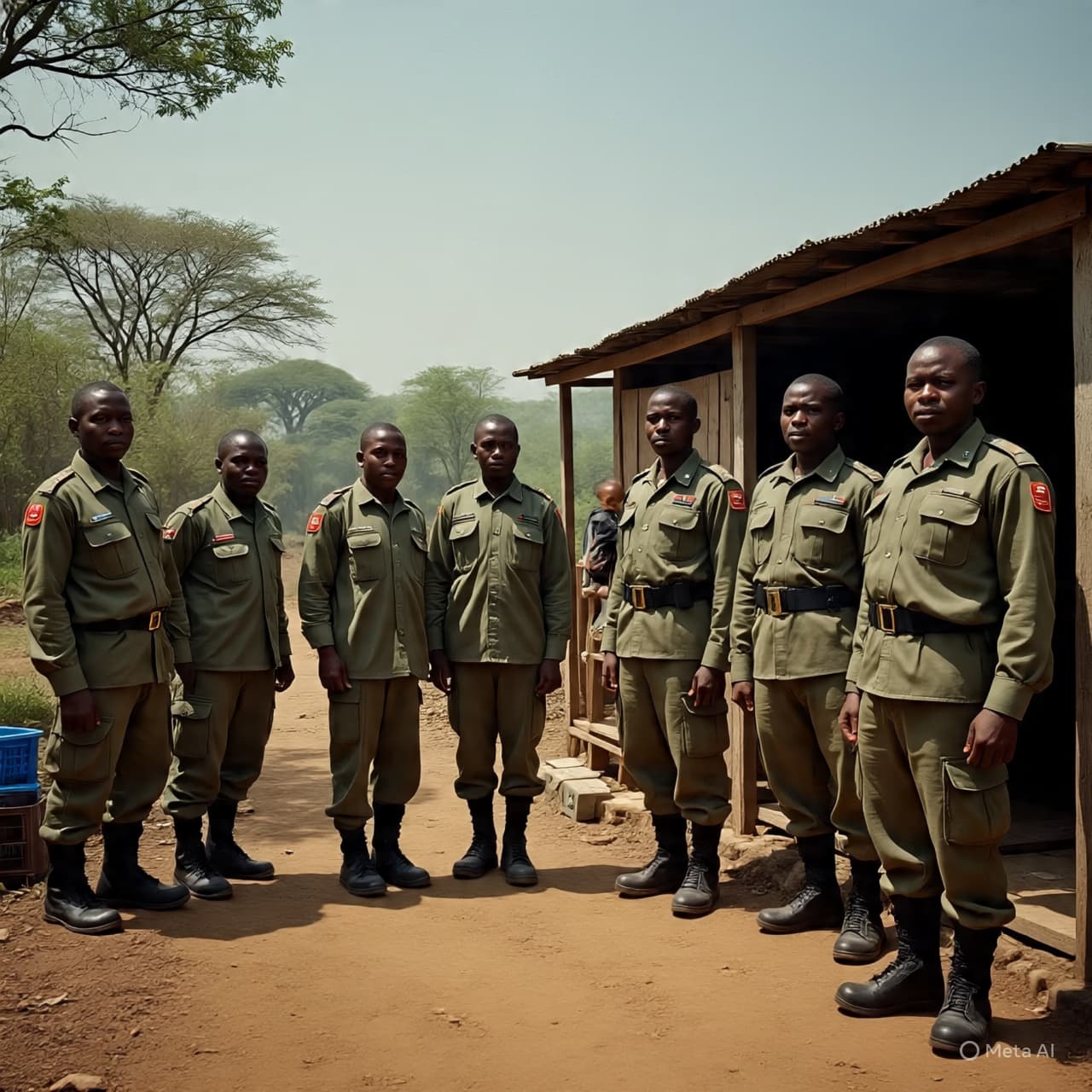
The armed group known as M23, part of a broader rebel alliance operating in the Democratic Republic of Congo’s east, said it would pull its fighters from Uvira, a key city in South Kivu province near the border with Burundi. The announcement followed diplomatic engagement led by Washington, which has sought to contain the latest escalation after months of renewed fighting.
Uvira’s capture earlier this month had triggered alarm well beyond Congo’s borders. The city is not only densely populated but also economically and strategically vital, sitting along major transport routes linking the interior of Congo to neighboring states. Its fall deepened fears of regional spillover and undermined fragile ceasefire commitments reached through international mediation.
According to the militia’s statement, the withdrawal was presented as a confidence-building gesture, intended to revive dialogue and ease civilian suffering. The group called for the city to be demilitarized and placed under neutral monitoring — language that reflects long-standing demands, but offers few guarantees.
For the United States, the moment marked a rare instance of visible leverage. American officials have increasingly voiced concern over Rwanda’s alleged backing of M23, warning that continued advances by the group would carry diplomatic consequences. The pressure, while measured, signaled a shift from quiet engagement to more explicit expectation-setting.
Yet on the ground, uncertainty remains the dominant reality. Past withdrawals in eastern Congo have often proved partial or temporary, with fighters repositioning rather than disengaging. Local residents and aid workers reported lingering militia presence even as announcements were made, reinforcing skepticism shaped by years of broken assurances.
The humanitarian toll continues to mount. Fighting around Uvira and nearby areas has displaced large numbers of civilians, many fleeing toward already strained border regions. For them, a declared withdrawal offers little comfort unless it translates into lasting security and access to assistance.
The broader conflict in eastern Congo has endured for decades, fueled by a web of local grievances, regional rivalries, and economic interests. Rwanda has consistently denied direct control over M23, despite repeated accusations from Congo, the United Nations, and Western governments. Each new flare-up adds another layer of distrust to an already fragile regional landscape.
What happens next will depend less on statements than on verification. Whether fighters truly leave Uvira, whether state forces re-enter responsibly, and whether diplomacy can hold beyond this single city will determine if this moment becomes a turning point — or just another pause in a long cycle of advance and retreat.
For now, Uvira waits. And in eastern Congo, waiting has never been neutral.
Published by Banx Network. This article is part of the Banx decentralized media programme, powered by the BXE token on the XRP Ledger.