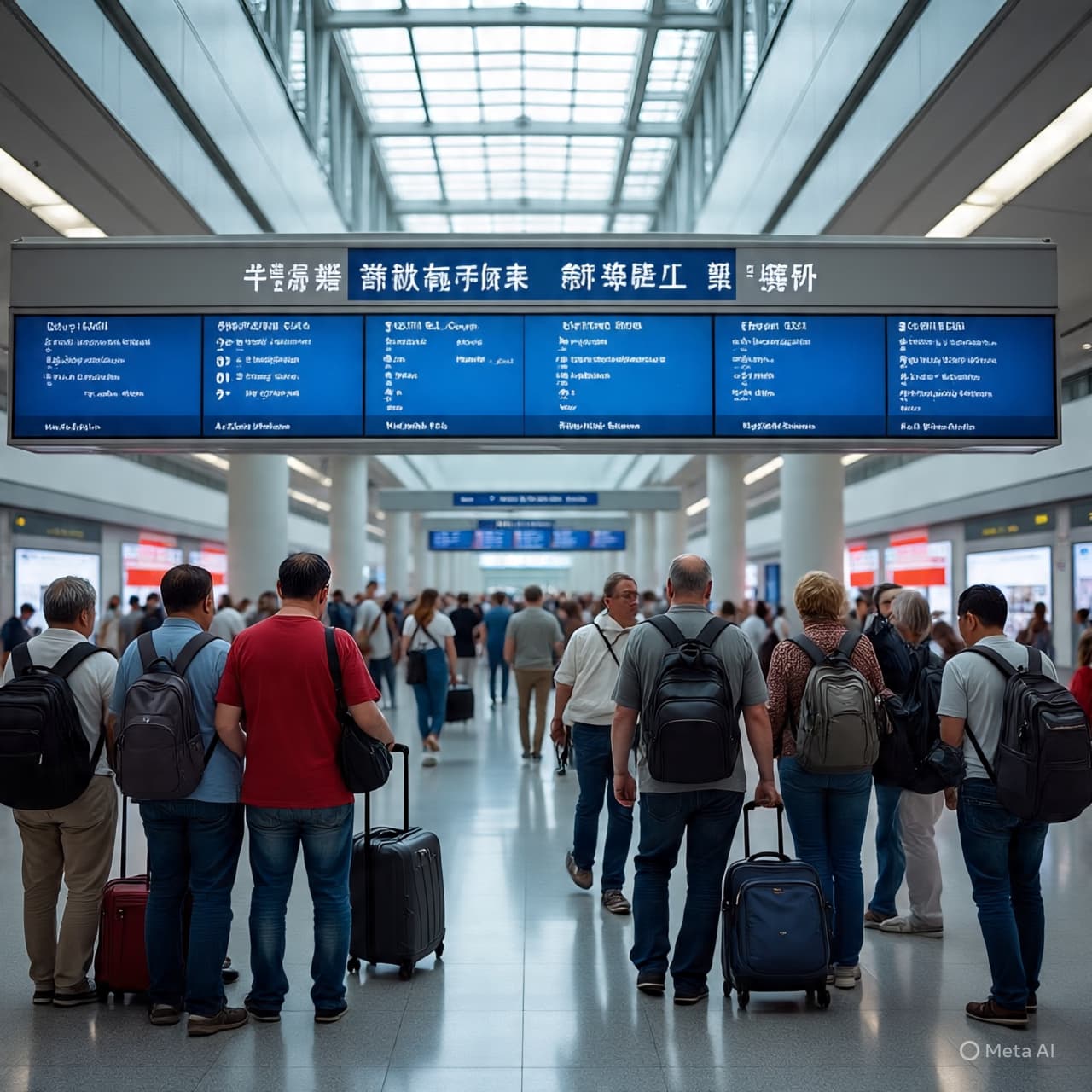
There are moments when foreign policy is not spoken in communiqués or war rooms — but in airport arrival halls.
China’s foreign minister signaled that Beijing is willing to extend its visa-free policy for Spain. It’s easy to treat this as bureaucratic travel news. It’s not. Visa access is geopolitics in soft focus.
Spain isn’t a military lever. Spain isn’t a currency regime. Spain is something more subtle: a cultural gateway to Europe — sport, food, Mediterranean identity, and deep tourism pipelines.
And this is the trick of China’s 2020s external posture: economic reopening mixed with calibrated hospitality. After years of closed borders and global suspicion, China appears to have discovered a quieter, more disarming form of influence — letting people in.
Travel becomes narrative exchange. Narrative becomes perception. Perception becomes policy margins.
The visa stamp is the smallest instrument in this entire architecture — but it is the one ordinary people actually feel.
By relaxing entry for Spaniards, Beijing is not just promoting tourism. It is reprogramming how Europeans experience China — not through headlines, but through jet-lagged breakfasts, bullet trains, and hotel lobbies.
Soft power is not an abstract phrase. It is a passport with fewer lines.
Published by Banx Network. This article is part of the Banx decentralized media programme, powered by the BXE token on the XRP Ledger.