

Key Highlights
- Recent flooding in China has displaced hundreds of snakes into urban areas.
- The severe weather has resulted in 17 fatalities and significant infrastructure damage.
- Local authorities and animal welfare groups are working to safely relocate wildlife.
The recent severe storms in China have not only caused tragic loss of life but have also disrupted local ecosystems, leading to an unusual phenomenon: hundreds of snakes fleeing their flooded habitats. This unsettling event serves as a stark reminder of how extreme weather can have cascading effects, impacting both human safety and wildlife behavior in unexpected ways.
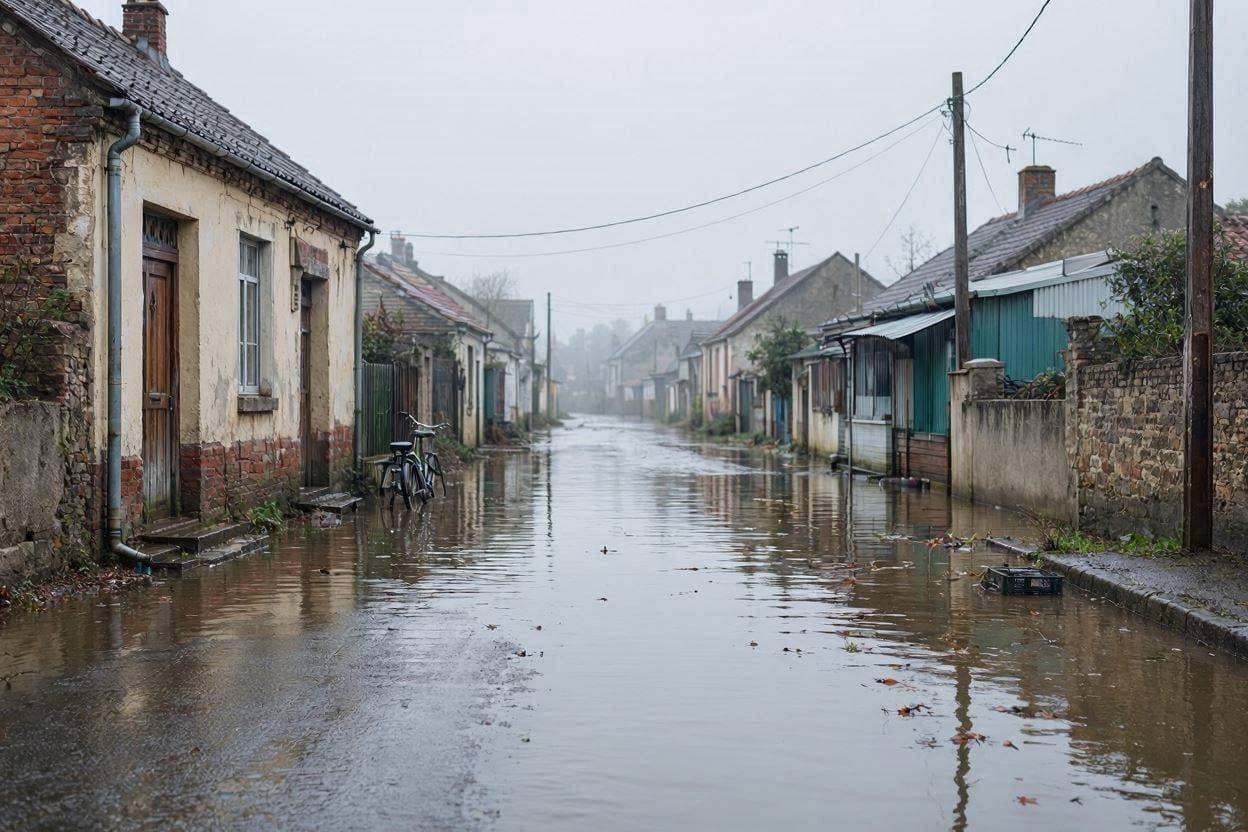
The flooding has forced numerous snake species to seek higher ground, often leading them into residential areas. For many residents, encountering these reptiles in their homes and streets has become a source of fear and confusion. In response, local authorities have issued warnings and deployed teams to capture and relocate the snakes, striving to protect public safety while also considering the welfare of the animals. This complex task requires a deep understanding of wildlife behavior and careful handling to ensure both human and animal safety.
The death toll from the flooding has reached 17, highlighting the destructive power of the weather, with flash floods and landslides causing significant damage to infrastructure and homes. These tragedies underscore the increasing frequency and intensity of extreme weather events linked to climate change. Communities are now forced to adapt to these new realities, strengthening emergency response systems and improving early warning mechanisms to save lives in the future.
Ecologists note that such displacements are becoming more common as habitats are altered by human activity and climate shifts. Snakes, often misunderstood and feared, play a crucial role in controlling pest populations. Their presence in urban areas is more indicative of environmental stress rather than aggression. Educating the public about how to coexist with wildlife during such events is essential for reducing panic and preventing harm to both humans and animals.
The response to the influx of snakes has been characterized by a mix of caution and compassion. Animal welfare groups are collaborating with government agencies to ensure that captured snakes are released into safe, suitable habitats away from populated areas. This collaborative effort reflects a growing awareness of the importance of biodiversity and the need to treat all living creatures with respect, even in times of crisis.
Infrastructure resilience is also under scrutiny as flooding exposes weaknesses in drainage systems and urban planning. Investing in green infrastructure, such as wetlands and permeable surfaces, can help absorb excess water and reduce the risk of future floods. These nature-based solutions not only protect human communities but also provide habitats for wildlife, creating a more balanced urban environment.
As the waters recede, the focus shifts to recovery and rebuilding. Communities come together to clean up debris and support those who have lost homes or livelihoods. This experience serves as a reminder of the interconnectedness of human and natural systems and the need for sustainable practices that respect both.
Ultimately, the incident of snakes on the loose is a symptom of larger environmental challenges. It calls for a holistic approach to disaster management that includes wildlife protection and climate adaptation. By learning to live with nature’s unpredictability, we can build more resilient and harmonious communities.
Published by Banx Network. This article is part of the Banx decentralized media programme, powered by the BXE token on the XRP Ledger.




