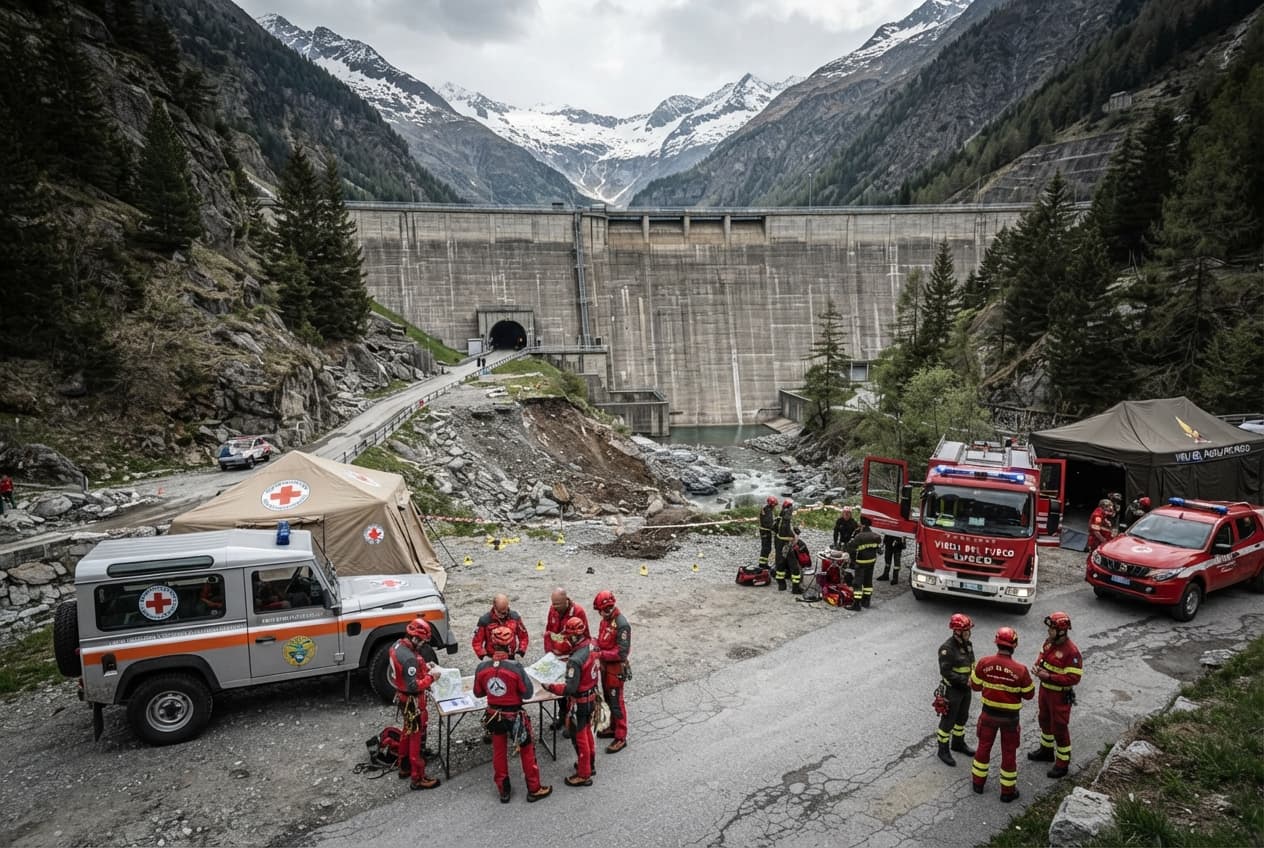
There are moments in history when the horizon feels unusually crowded—ships at sea, aircraft in formation, and columns of personnel moving with deliberate precision. Power, when mobilized at scale, creates a visual language of its own. It speaks not loudly, but broadly—across airfields, coastlines, and command centers.
Reports indicate that in response to escalating tensions involving , the has mobilized approximately 50,000 troops, 200 fighter jets, and two aircraft carriers to the broader region. While operational specifics remain subject to official confirmation, such a deployment reflects a significant show of force in contemporary military terms.
Large-scale mobilization is rarely a spontaneous decision. It is often the product of layered assessments—strategic positioning, alliance obligations, intelligence analysis, and deterrence considerations. Aircraft carriers, often described as floating airbases, symbolize sustained presence. The deployment of two such vessels underscores the seriousness of posture rather than immediate action, according to defense analysts.
Fighter aircraft numbers, reportedly reaching 200, suggest an integrated approach combining air superiority, reconnaissance, and logistical support. Modern jets represent more than speed and firepower; they are nodes in a broader network of surveillance systems, satellite coordination, and electronic warfare capabilities.
Meanwhile, a troop presence estimated at 50,000 personnel signals operational readiness across multiple domains. Troops may include ground forces, support units, air crews, naval personnel, and logistical teams. In modern warfare, the visible count is only part of the structure; behind it stands a vast infrastructure of supply chains and command networks.
Officials have framed the deployment as part of regional security considerations. Historically, tensions between Washington and Tehran have fluctuated, shaped by diplomatic disputes, sanctions policies, and security incidents across the Middle East. Military positioning often serves both strategic deterrence and reassurance to regional allies.
Aircraft carriers, in particular, carry symbolic weight. They project reach without requiring permanent land bases. Their presence can shift regional calculations, even if no immediate engagement occurs. Analysts note that such movements are frequently calibrated—strong enough to signal resolve, measured enough to leave diplomatic channels open.
At the same time, mobilization at this scale inevitably draws global attention. Energy markets, shipping routes, and diplomatic corridors tend to respond to signs of escalation. Governments monitor developments closely, mindful that regional tensions can have broader international ripple effects.
For Tehran, responses may include rhetorical statements, military readiness adjustments, or diplomatic outreach. Strategic signaling operates on multiple layers, where perception can matter as much as direct action.
As of now, neither side has publicly confirmed comprehensive operational details beyond broad outlines. Defense briefings emphasize preparedness and deterrence, while diplomatic channels reportedly remain active.
In the measured language of official statements, the emphasis remains on stability and security. The coming days may clarify whether this mobilization represents precaution, escalation, or a temporary posture amid ongoing negotiations.
For the moment, the numbers—50,000 troops, 200 jets, two carriers—stand as markers of capability. What they ultimately signify will depend not only on force, but on decisions made beyond the battlefield.
AI Image Disclaimer Illustrations were produced with AI and serve as conceptual depictions.
Published by Banx Network. This article is part of the Banx decentralized media programme, powered by the BXE token on the XRP Ledger.