There are moments in geopolitics when silence speaks louder than missiles, and words carry more weight than fleets at sea. In the shifting currents of the Middle East, every movement—every deployment, every statement—feels like a stone dropped into still water, sending ripples far beyond the horizon. Recently, as the United States adjusted its military presence in the region, Iran responded not with artillery, but with assertion. The message was measured, yet unmistakable: an increase in U.S. forces, Tehran argues, is neither necessary nor helpful. Iranian officials framed their response as a defense of regional sovereignty and stability. They suggested that the expansion of American military assets—whether naval reinforcements in strategic waterways or additional troops stationed at key bases—risks heightening tension rather than easing it. In their view, the presence of foreign forces acts less like a shield and more like a mirror, reflecting distrust and multiplying suspicion among already actors. For Washington, however, adjustments in troop numbers and deployments are often described as precautionary—steps taken to deter escalation, reassure allies, and safeguard maritime routes critical to global trade. The United States has long maintained that its military footprint in the region is aimed at preventing conflict rather than provoking it. Yet, perception can be as powerful as policy. What one side calls deterrence, the other may interpret as provocation. This dynamic unfolds against a backdrop of longstanding friction between Tehran and Washington. From disputes over nuclear ambitions to disagreements over regional influence, their relationship has moved in cycles of tension and cautious diplomacy. Each new deployment or rhetorical exchange becomes part of that larger narrative—a chapter added to an already complex volume. Iran’s statement that additional U.S. forces are “not necessary” appears intended to underscore its broader argument: that regional security should be shaped by regional actors. It is a position rooted in the belief that foreign intervention often complicates rather than clarifies the path to stability. By emphasizing that increased military presence does not “help,” Iranian officials signal concern that such measures may entrench divisions rather than bridge them. At the same time, the calculus of military strategy is rarely simple. Nations weigh deterrence, alliance commitments, and domestic expectations. Moves are rarely made in isolation; they are responses to perceived risks and signals. In that sense, the debate over troop levels becomes less about numbers and more about narratives—about who defines security, and how it is preserved. As tensions ebb and flow, both sides continue to articulate their positions in carefully chosen language. There is no declaration of direct confrontation in these statements, only a sharpening of perspectives. The region, accustomed to uncertainty, watches closely. Markets, diplomats, and citizens alike gauge whether these developments mark a temporary adjustment or the beginning of a new phase. For now, the exchange remains in the realm of rhetoric and posture. Iran has made clear its view that expanded U.S. military presence does not contribute to stability. The United States, for its part, maintains that its deployments serve protective and deterrent purposes. Between these positions lies the fragile space where diplomacy may yet find room to move.
AI IMAGE DISCLAIMER
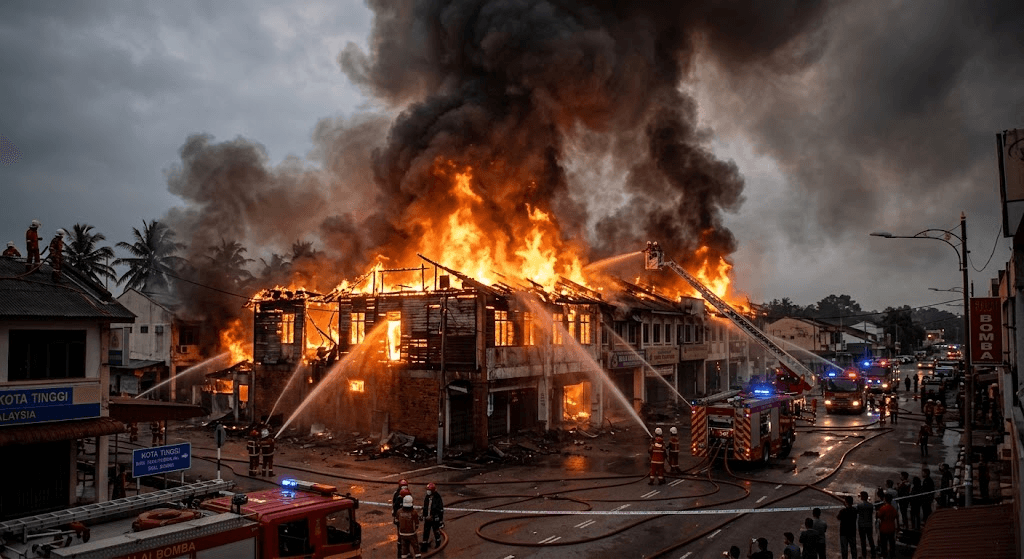
Visuals are created with AI tools and are not real photographs.
SOURCE CHECK
Credible mainstream and niche media covering this issue include: Reuters Associated Press Al Jazeera BBC News The Guardian
Published by Banx Network. This article is part of the Banx decentralized media programme, powered by the BXE token on the XRP Ledger.