
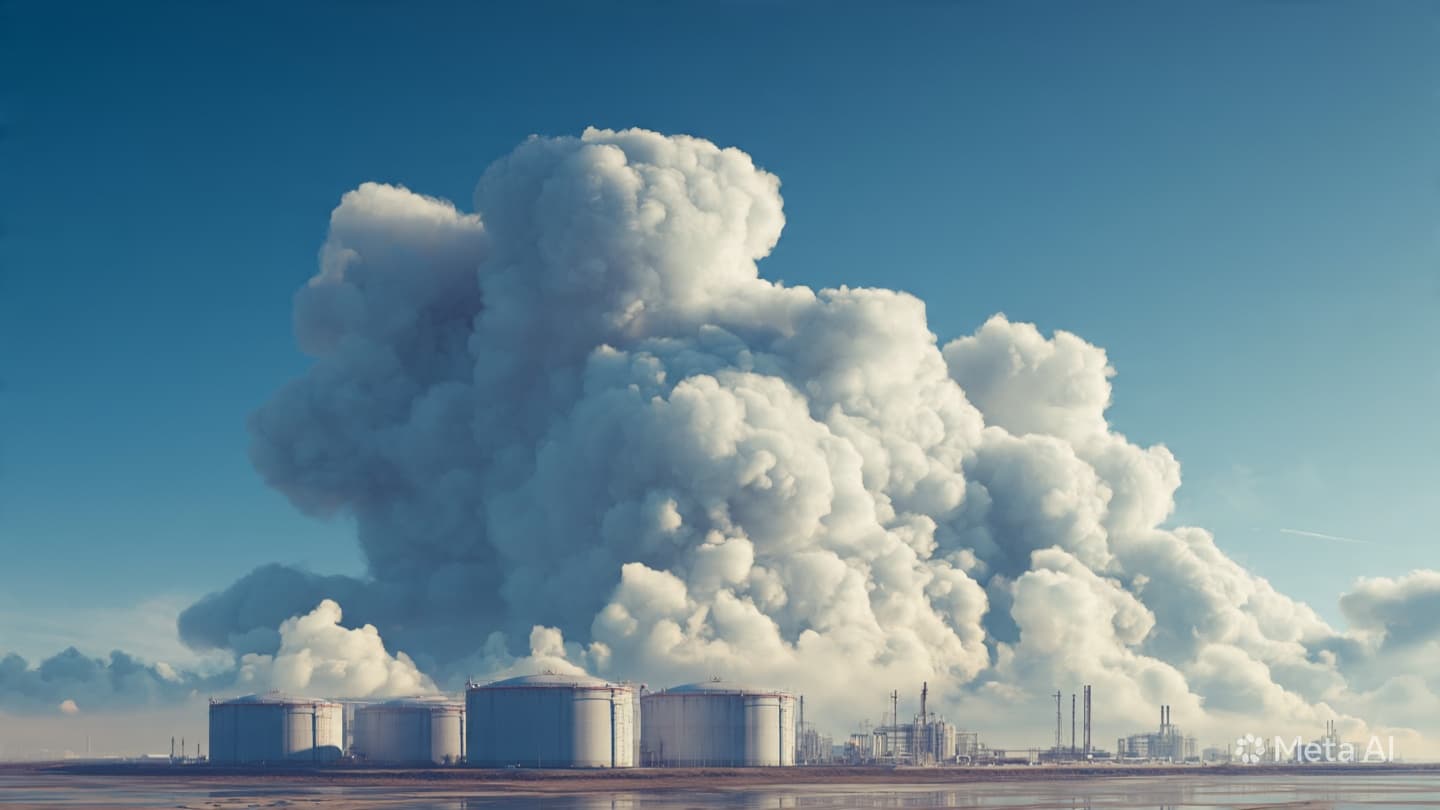
The fuel depot is a sprawling, silent architecture of utility, a hidden powerhouse that sustains the movement of a region. When this network is suddenly breached by an aerial engagement, the resulting fire is more than just a local emergency; it is a jarring disruption of the vital flows that keep a society running. The sight of flame against the sky in the Krasnodar region serves as a stark reminder of how precarious our reliance on such infrastructure has become in an era of long-range conflict.
Smoke rising in dark, rhythmic billows creates a heavy, soot-stained atmosphere, transforming the depot from a place of industrial function into a site of acute tension. For those living in the surrounding area, the fire is an unsettling reminder of the proximity of the front line and the capacity for the conflict to leap over the miles that were once considered a buffer. It is a visual representation of how the modern theater of war is expanding, making even distant logistical hubs vulnerable to the precision of modern aerial tactics.
Emergency teams operating at the site move with a deliberate, calculated grace, their focus narrowed to the containment of the blaze. The heat is a constant, pressing force, and every movement is a calculated risk against the potential for further structural failure. There is a deep, human courage in their response, as they work to prevent the fire from spreading to adjacent tanks, their labor a critical barrier between the initial disaster and a wider, regional catastrophe.
The impact of the fire is a study in the complexity of regional logistics. As the blaze is brought under control and the damage to the fuel supply is assessed, the ripple effects are felt by the local economy and the transport sectors that depend on the depot. The incident forces a reflection on the resilience of our supply lines, and the challenge of defending facilities that are vast, static, and inherently difficult to harden against aerial threats.
For the community in Krasnodar, the fire serves as a sobering catalyst for introspection. It turns the focus toward the safety of the essential infrastructure that resides in their midst, raising questions about the stability of the energy networks that have long operated with an unthinking efficiency. The blaze is a scar on the landscape, a temporary but potent reminder of the volatile state of the world beyond the horizon.
The investigation into the aerial engagement will likely be a meticulous, technical affair, focused on flight paths and defensive failures. Yet, for the people on the ground, the fire is not a tactical detail; it is a profound intrusion of the conflict into their daily existence. It creates a lingering sense of uncertainty, a quiet, pervasive anxiety that the safety they rely on is subject to the whims of aerial precision.
As the recovery efforts continue, the depot begins the slow process of stabilization. The damage is a testament to the changing nature of regional threats, a prompt for the authorities to reconsider the defensive posture of these vital hubs. It is a moment for quiet reflection on the nature of our reliance on these structures, and the necessity of finding a new equilibrium between operational function and the imperatives of security in a time of persistent tension.
In the end, the fire is a reminder that the infrastructure of our daily lives—the fuel in our tanks, the power in our grids—is tied to a fragile, globalized network that is increasingly under pressure. The task for the region is to learn from this event, to adapt, and to ensure that the vital arteries of commerce can weather the challenges of the modern conflict. It is a slow, methodical process, but one that is necessary to ensure the continued stability of the region.
On June 22, 2026, a severe fire erupted at a fuel storage depot in the Krasnodar region following an aerial engagement involving multiple unmanned aerial vehicles. Emergency teams from the Russian Ministry of Emergency Situations deployed over 50 personnel to the site, successfully containing the blaze within six hours. While there were no initial reports of casualties among the depot staff, regional authorities confirmed that the site sustained significant damage to primary storage units, and environmental monitoring teams are currently evaluating the impact of the fire on the surrounding air and water quality.
Note: This article was published on BanxChange.com and is powered by the BXE Token on the XRP Ledger. For the latest articles and news, please visit BanxChange.com