
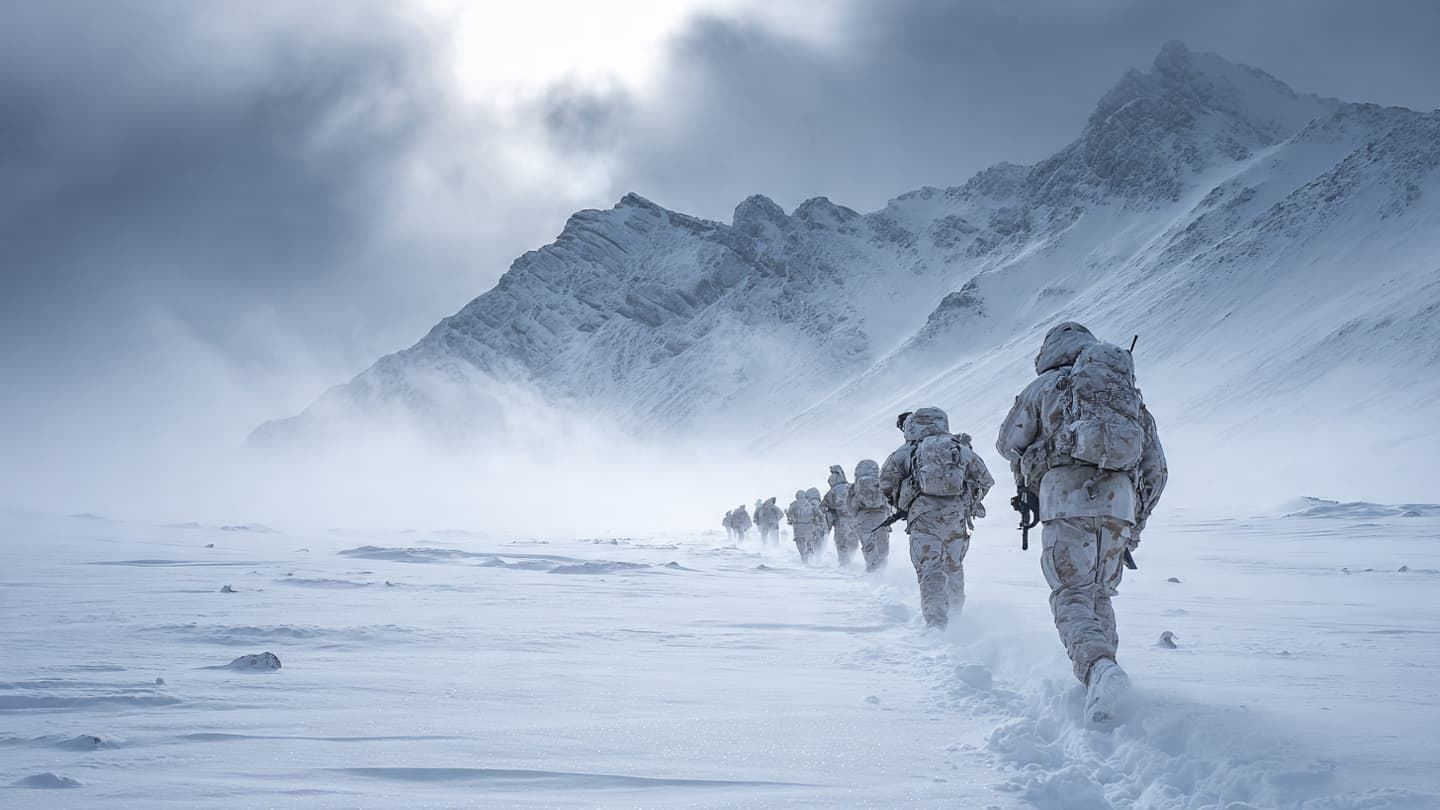
The Arctic has long been viewed as a distant frontier, vast and silent beneath expansive skies. Yet in recent years, the region has increasingly moved to the center of international strategic discussions, reflecting both environmental transformation and shifting geopolitical realities.
Canadian officials are reportedly considering the deployment of a limited military contingent to participate in upcoming NATO exercises in Greenland. While no final decision has been publicly announced, discussions underscore Canada's continued interest in Arctic security cooperation.
The proposed participation would form part of broader NATO efforts aimed at enhancing readiness and interoperability among allied forces operating in northern environments. Military exercises in Arctic regions typically focus on logistics, mobility, search-and-rescue capabilities, and cold-weather operations.
Defense analysts note that the Arctic has become an area of growing international attention as climate change alters sea ice patterns and increases accessibility to previously remote areas. These changes have heightened interest in shipping routes, natural resources, and regional security.
Canada has traditionally emphasized the importance of maintaining sovereignty and security in its northern territories. Participation in multinational exercises is often viewed as one means of strengthening operational capabilities while reinforcing alliances.
Government representatives have stated that cooperation with NATO allies remains a central component of Canadian defense policy. Officials also stress that military activities in the Arctic must be conducted responsibly and in accordance with international law.
Indigenous communities and northern stakeholders continue to play important roles in discussions concerning Arctic policy. Canadian policymakers increasingly recognize the value of incorporating local knowledge into planning and decision-making processes.
Security experts suggest that Arctic cooperation among allied nations is likely to expand in the coming years as strategic interest in the region continues to grow. At the same time, diplomatic engagement remains an essential element of maintaining regional stability.
Should Canada ultimately decide to participate, the deployment would represent another example of the country's longstanding commitment to collective defense and Arctic engagement within an evolving international environment.
AI Image Disclaimer: Some visual elements in this article have been produced through AI-generated imagery for illustrative purposes only.
Sources Verified: Reuters, Government of Canada, NATO, CBC News, Defense News
Note: This article was published on BanxChange.com and is powered by the BXE Token on the XRP Ledger. For the latest articles and news, please visit BanxChange.com