There are moments when solutions arrive dressed in contradiction—when the very thing that seems destructive begins to resemble a form of care. Fire, long associated with loss, has occasionally taken on a different role in environmental science: not as an enemy, but as a tool. And now, in the quiet laboratories and controlled tests of researchers, an unusual idea has surfaced—one that suggests that under certain conditions, setting oil spills ablaze might do more good than harm.
At first glance, the notion feels almost paradoxical. Oil spills conjure images of suffocation—dark slicks spreading across water, coating marine life, disrupting ecosystems in ways that linger long after the surface appears clean. To introduce fire into that scene seems, intuitively, like adding damage to damage. Yet scientists studying combustion and fluid dynamics are beginning to explore a more nuanced picture.
The concept centers on controlled burning, a method already used in some spill responses, but taken a step further. Under specific conditions, igniting the oil can create what are known as “fire whirls”—spinning columns of flame that behave almost like miniature tornadoes. These vortices, driven by heat and air flow, can concentrate the burning process, allowing oil to be consumed more efficiently and with potentially fewer residues left behind.
In experimental settings, such fire whirls have demonstrated a striking ability to burn oil more completely than traditional surface fires. The spinning motion draws in oxygen, intensifying combustion while reducing the amount of unburned material. The result, researchers suggest, could mean less oil remaining in the water—an outcome that, in the context of environmental damage, carries meaningful weight.
Still, the promise comes with careful boundaries. These phenomena are not being proposed as spontaneous or uncontrolled solutions. The emphasis remains on precision—conditions must be tightly managed, from wind patterns to containment of the spill itself. Without such control, fire introduces its own risks, including air pollution and the potential spread of flames beyond intended areas.
What makes this research particularly compelling is not that it replaces existing cleanup methods, but that it expands the range of possibilities. Oil spill response has long relied on mechanical recovery, chemical dispersants, and traditional burning techniques. The introduction of fire whirls suggests a refinement—a way to make one existing approach more effective under the right circumstances.
At a deeper level, the idea reflects a broader pattern in science: the willingness to revisit assumptions. Fire, often viewed solely as destructive, is here reconsidered as a process that, when guided, can accelerate restoration. It is not a perfect solution, nor a universal one. But it is a reminder that nature’s forces are rarely defined by a single role.
In the end, the image of a fire tornado rising from an oil slick may always feel unsettling. Yet within that image lies a quieter possibility—that even in the aftermath of environmental harm, there are ways to transform one kind of damage into a step toward repair, however carefully measured.
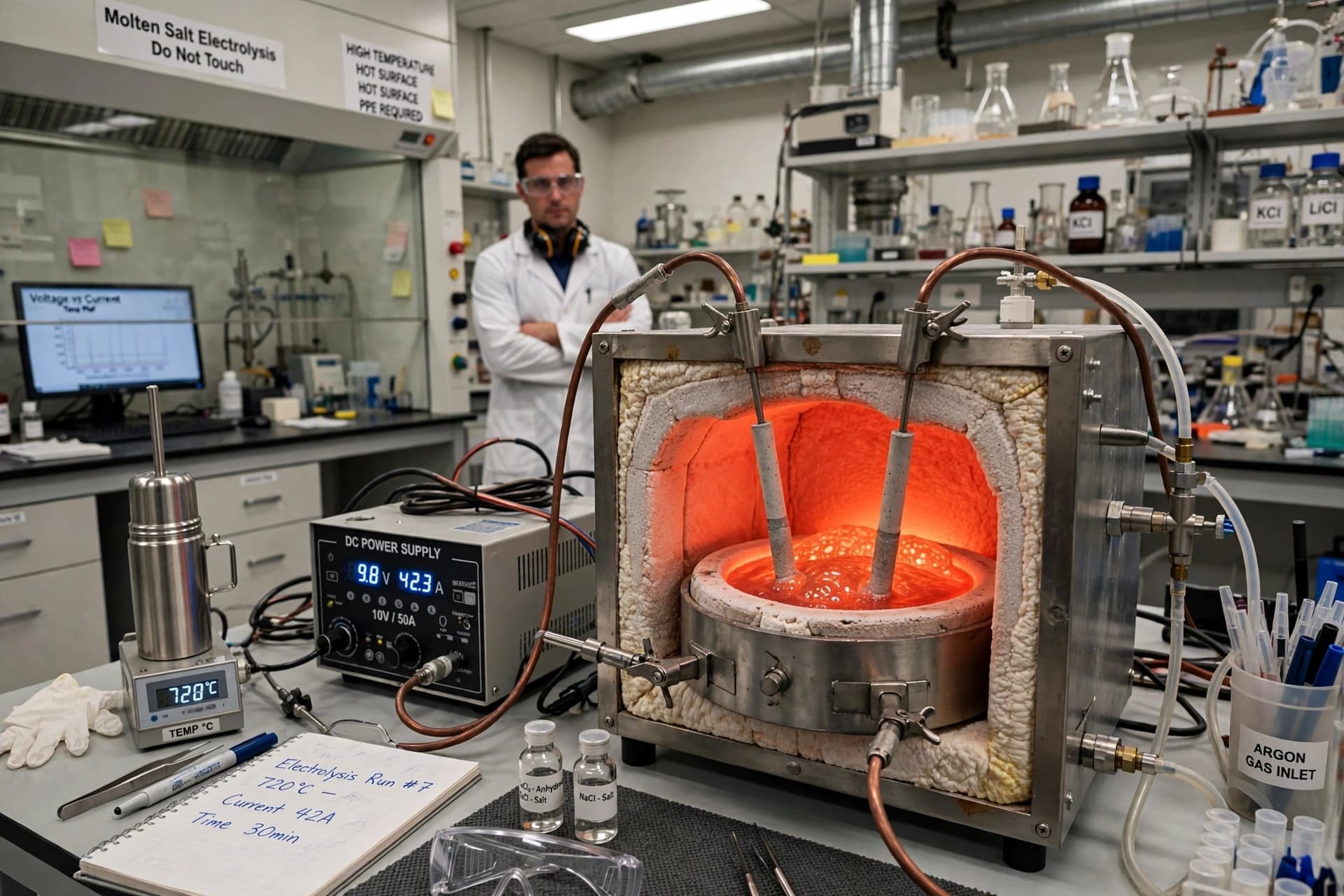
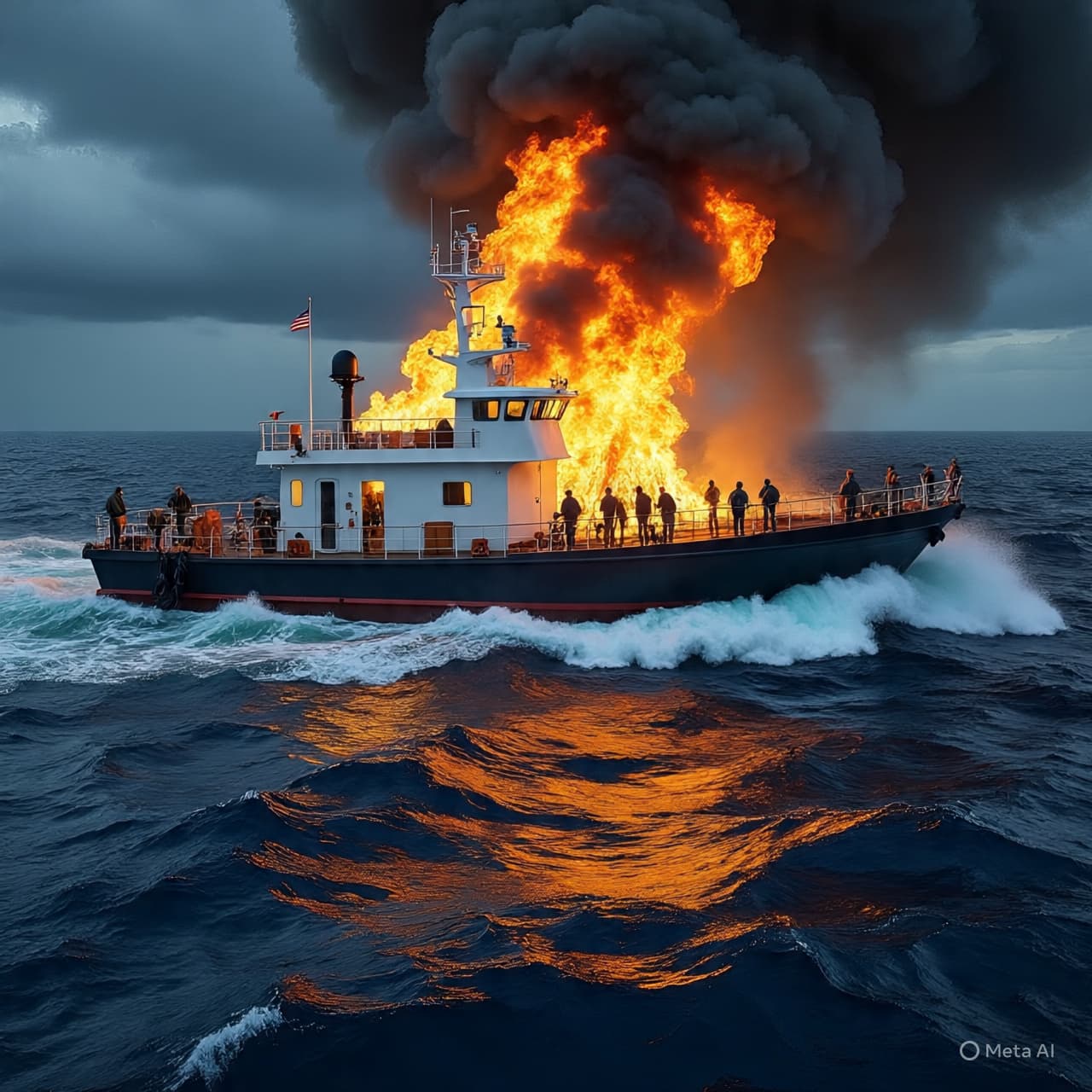
AI Image Disclaimer Illustrations were produced with AI and serve as conceptual depictions.
Source Check Nature Science National Geographic BBC Science New Scientist
Published by Banx Network. This article is part of the Banx decentralized media programme, powered by the BXE token on the XRP Ledger.