
Key Highlights
- Smart agriculture in France is integrating technology with traditional farming practices.
- Precision irrigation and crop monitoring are key applications of smart agriculture.
- Collaboration between universities and tech companies supports innovation in farming.
Smart agriculture is transforming the landscape of farming in France, where traditional practices are increasingly complemented by advanced technologies. As environmental pressures mount due to climate change and population growth, farmers are turning to innovative solutions to enhance sustainability and improve food production efficiency. This blend of old and new is not just a trend; it represents a necessary evolution in the agricultural sector.
At the heart of smart agriculture are digital tools that empower farmers to make informed decisions. Technologies such as sensors, satellite imagery, artificial intelligence, and drones are revolutionizing how crops are monitored and managed. These tools provide real-time data on soil conditions, crop health, and resource usage, allowing farmers to optimize their operations throughout the growing season.
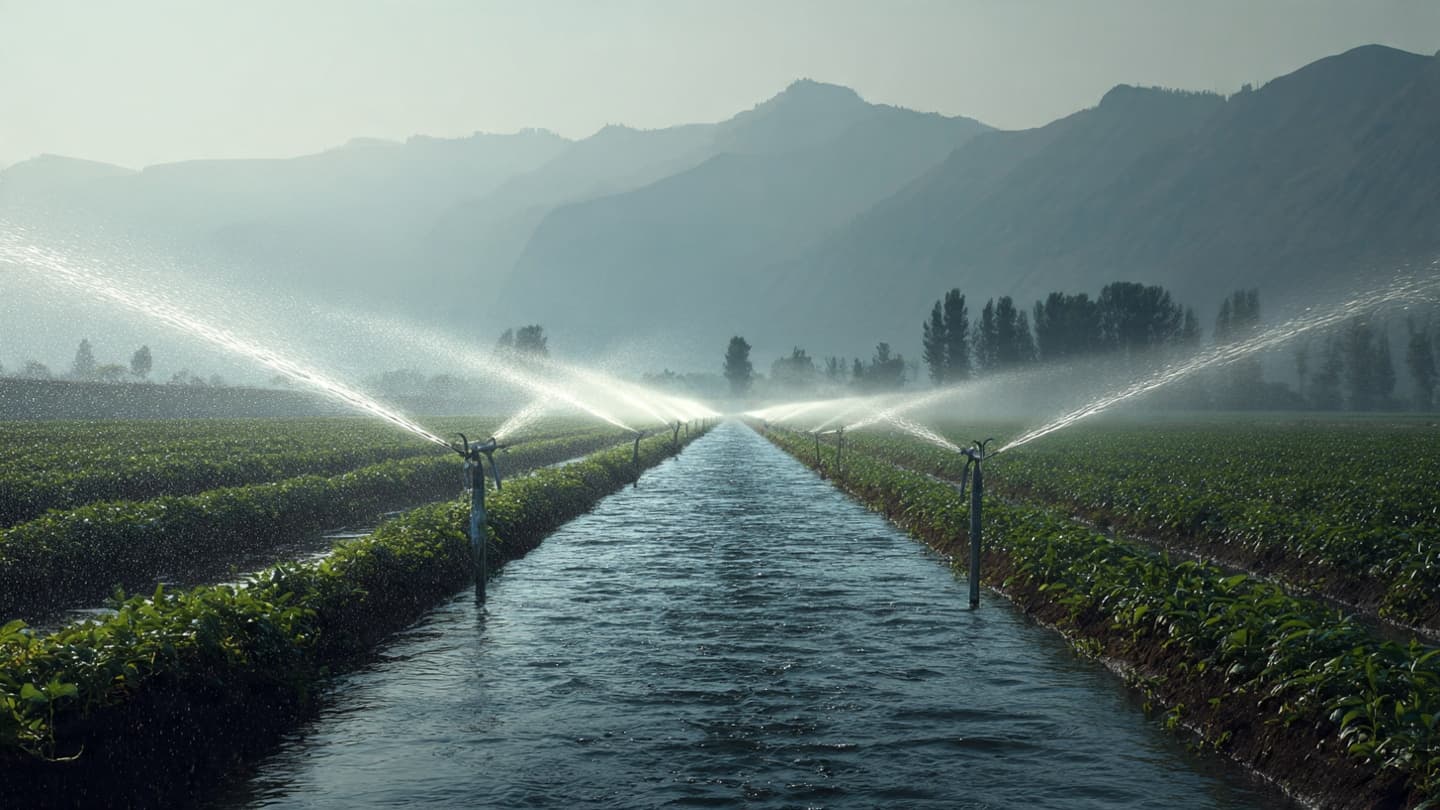
One of the most significant advancements in this field is precision irrigation. This technology enables farmers to deliver water precisely where and when it is needed, significantly reducing waste and ensuring that crops receive the right amount of moisture. In regions where water scarcity is a pressing issue, such as southern France, efficient water management is crucial for maintaining productivity and sustainability.
Crop monitoring technologies are also advancing rapidly. With the help of satellite observations and drone-based imaging, farmers can detect changes in plant health and identify potential disease risks early on. This proactive approach allows for quicker interventions, which can save crops and reduce losses.
Artificial intelligence plays a pivotal role in enhancing these capabilities. Machine learning algorithms analyze vast amounts of data to uncover patterns related to weather, soil performance, and crop growth. By leveraging these insights, farmers can anticipate challenges and make data-driven decisions that improve their agricultural practices.
Environmental sustainability remains a core objective of smart agriculture. By adopting precision farming techniques, farmers can minimize the use of water, fertilizers, and pesticides, aligning economic efficiency with ecological responsibility. Experts believe that these approaches are essential for achieving a balance between productivity and environmental stewardship.
Collaboration among research institutions, agricultural organizations, and technology companies is vital for fostering innovation in this sector. Universities are partnering with tech firms and farming communities to conduct pilot projects and field trials, ensuring that new technologies are practical and effective in real-world conditions. These collaborations are crucial for driving the adoption of smart agriculture practices across various farming operations.
Economic factors also play a significant role in the adoption of smart agriculture. Improved efficiency can enhance farm profitability and help producers adapt to fluctuating market conditions. Furthermore, the integration of technology in agriculture can stimulate rural innovation and workforce development, creating new opportunities in these communities.
Despite the promising advancements, challenges remain. The costs associated with new equipment, the need for training, and the requirement for reliable digital infrastructure can be barriers, particularly for smaller farms. Ensuring that all farmers have access to these technologies is essential for the widespread success of smart agriculture.
As France's agricultural fields evolve into testing grounds for innovative practices, the fusion of traditional knowledge with cutting-edge technology is paving the way for a more sustainable future in food production. Farmers are not only cultivating crops but also preparing for the environmental and economic challenges that lie ahead.
Published by Banx Network. This article is part of the Banx decentralized media programme, powered by the BXE token on the XRP Ledger.



