
Key Highlights
- Financial Struggles:Small-scale farmers report significant losses this year.
- Supply Chain Issues:Global disruptions are impacting harvests and planting areas.
- Climate Change:Extreme weather events are complicating agricultural practices.
The rhythm of farming has been a constant throughout human history, but for small producers today, that rhythm is increasingly disrupted. The partnership between farmers and the land is strained by external forces that extend far beyond the farm gate. Recent seasons have seen the emergence of challenges that threaten the very foundation of small-scale agriculture, as global supply chain disruptions and climate change wreak havoc on traditional farming practices.
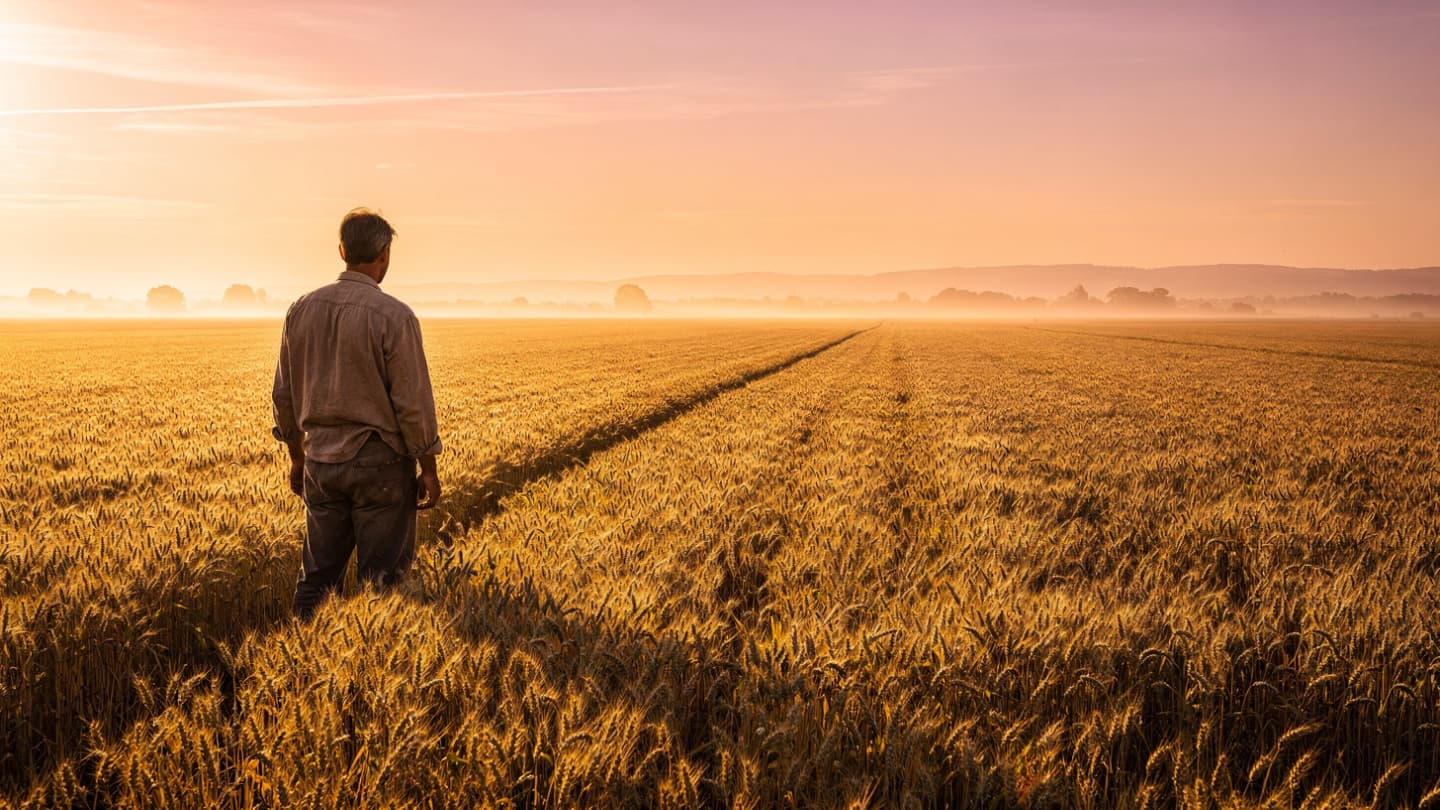
Standing in a field today reveals that no fence can shield farmers from the complexities of the modern world. Supply chains, once considered reliable, have become fragile, with rising costs for essential inputs like seeds and fuel reflecting broader global instabilities. For small farmers, these changes are not abstract; they translate into tangible hardships that jeopardize their livelihoods and the health of their crops.
The impact of global markets is felt acutely by farmers. A shortage of fertilizer in one part of the world can lead to diminished yields elsewhere, while logistical challenges can result in wasted produce. The quiet tragedy of watching a year’s worth of labor go to waste due to external factors is a reality many farmers now face. This situation underscores the interconnectedness of agriculture and global economics, where local actions can have far-reaching consequences.
The image of the small farmer as a self-reliant steward of the land is increasingly becoming a myth. The tools and resources they depend on are part of a vast, interconnected system that can falter at any moment. When this system breaks down, it is often the smallest producers who bear the brunt of the fallout, facing rising costs and diminishing returns that threaten their very existence.
Despite these challenges, small farmers continue to plant and nurture their crops, driven by a deep-seated faith in their work. This persistence is not merely a business decision; it is a testament to their commitment to the land and their communities. However, the struggle is real, as they navigate dwindling margins and increasing risks, often without the support they need to sustain their operations.
Climate change adds another layer of unpredictability to the challenges faced by small farmers. Traditional weather patterns are giving way to erratic conditions, with prolonged droughts and sudden floods becoming more common. This shift complicates agricultural planning and forces farmers to adapt to a landscape that is constantly changing, often leaving them without the tools or knowledge to cope effectively.
In urban markets, the connection between consumers and the source of their food is often obscured. The convenience of modern shopping can mask the reality that every meal is the result of countless decisions made by farmers months in advance. As small farms begin to disappear, society risks losing not only a vital food source but also a wealth of agricultural knowledge and a crucial link to its history.
To address these issues, there is an urgent need for a new approach to agricultural stewardship. Recognizing the fragility of small producers within the global economy is essential. Farms should be viewed not merely as production facilities but as foundational elements of community resilience. Until the risks associated with farming are shared more equitably, the burden of feeding the world will continue to fall disproportionately on those who are least equipped to bear it.
As small-scale agricultural producers report significant financial losses this year, the combination of global supply chain disruptions and extreme weather events poses a serious threat to harvests. Reports indicate that rising costs for essential inputs like fertilizer have forced many family farms to reduce their planting areas. Without targeted support, the stability of local food systems could be at risk, highlighting the urgent need for action to protect these vital contributors to our food security.
Published by Banx Network. This article is part of the Banx decentralized media programme, powered by the BXE token on the XRP Ledger.



