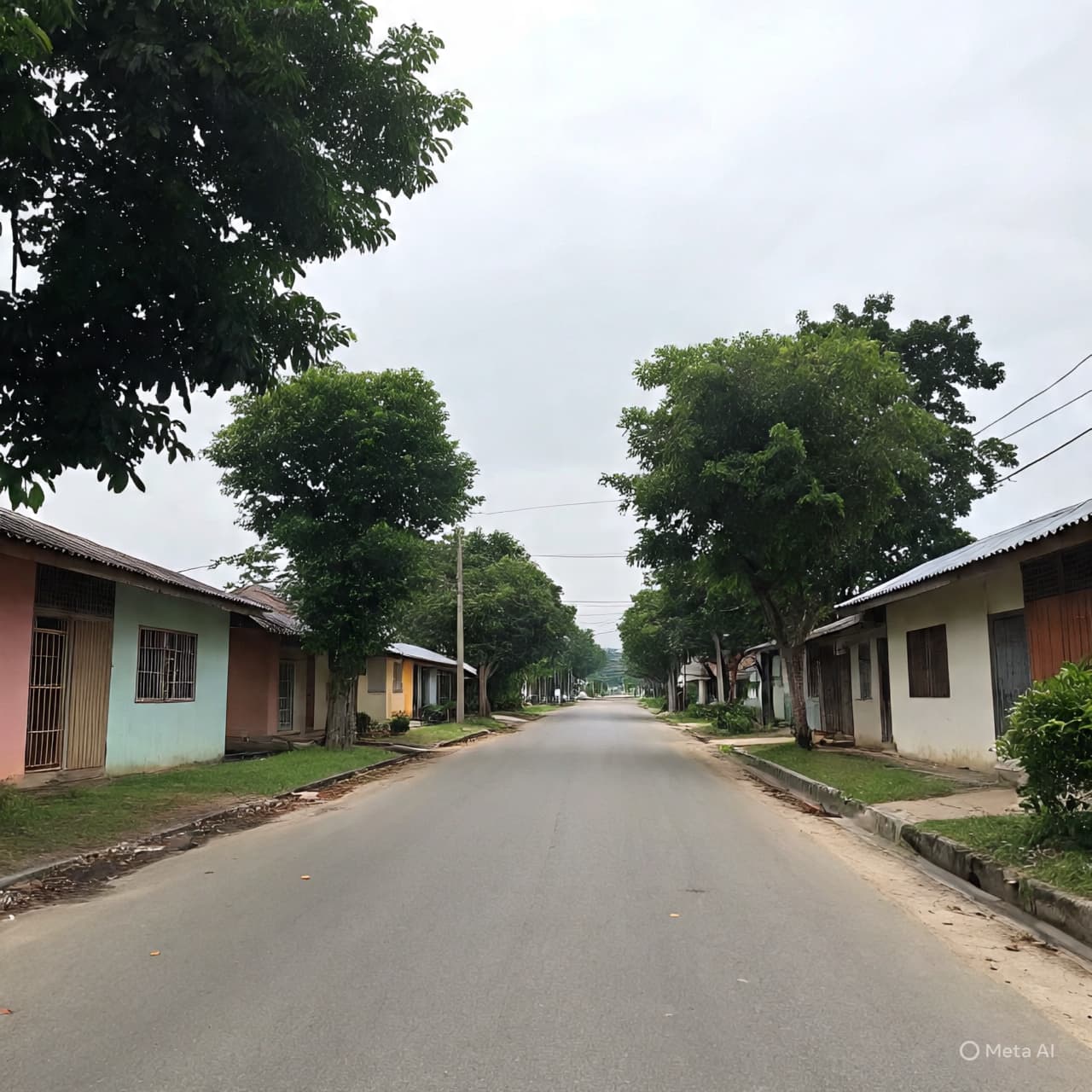
In the quiet outskirts of Sarawak, where rivers move slowly through green landscapes and small towns gather around schools, markets, and family homes, life often follows familiar patterns. Generations grow up within the same neighborhoods, sharing histories shaped by kinship and proximity. In such places, the idea of family carries a particular weight—an expectation of protection, trust, and the invisible boundaries that hold relationships in place.
When those boundaries are broken, the consequences ripple far beyond a single household.
In a case heard in Sarawak, a university student from Matang was sentenced to 15 years in prison and five strokes of the cane after being convicted of committing incest with his younger sister. The court found that the offense violated both the law and the fundamental expectations placed on familial relationships under Malaysian criminal statutes.
Prosecutors presented evidence detailing how the incidents occurred, leading authorities to bring charges under laws that criminalize sexual relations between close family members. In Malaysia, incest is treated as a serious offense, reflecting the legal system’s recognition of the harm that can arise when trust within a family structure is exploited.
During proceedings, the court considered the evidence presented by investigators and testimony related to the case. Judges often note that crimes involving family members carry a complex emotional and social impact, extending beyond the individuals directly involved. In smaller communities especially, such cases can reverberate quietly through social circles where families know one another well.
The sentence ultimately imposed—15 years’ imprisonment along with five lashes of the cane—reflects the penalties available under Malaysian law for incest convictions. Corporal punishment, still part of the criminal justice system in Malaysia for certain offenses, accompanies custodial sentences in cases where the court determines it is warranted.
For the victim, the legal process represents only one stage in a much longer journey. Courts deliver judgments and sentences, but the deeper consequences of such cases often unfold slowly within families and communities, where healing and recovery require time and support.
As the case concludes in the courtroom, the broader lesson echoes quietly beyond its walls. Laws exist to draw clear lines where trust must never be broken, particularly within the most intimate circles of family life. When those lines are crossed, the justice system responds not only with punishment, but with a reaffirmation of the values meant to protect the vulnerable.
In towns like Matang, where daily life continues with familiar routines, the case lingers as a reminder that even within the closest relationships, responsibility and respect remain the foundations upon which families—and communities—are meant to stand.
residential setting, 1920×1280.”
AI Image Disclaimer The illustrations accompanying this article were created using AI tools and are intended as conceptual representations rather than real photographs.
Sources The Star Malaysia New Straits Times Bernama Malay Mail Free Malaysia Today
Published by Banx Network. This article is part of the Banx decentralized media programme, powered by the BXE token on the XRP Ledger.